Probiotics Rescue Gut Metabolites from Cafeteria Diet Damage

THE PROTOHUMAN PERSPECTIVE#
The thing about your gut ecosystem during early development is that it's not just setting up digestion — it's programming metabolic, neurological, and immune trajectories that persist into adulthood. What Önlü, Teker, and colleagues have shown in their February 2026 multi-omics study is that a cafeteria diet consumed during a critical developmental window doesn't merely cause temporary bloating or weight gain. It dismantles the microbial architecture responsible for producing short-chain fatty acids and indole-3-propionic acid — metabolites that feed into mitochondrial efficiency, gut barrier integrity, and even NAD+ precursor pathways.
For anyone tracking human performance optimization, the implication is direct: the metabolic damage from early-life junk food isn't just caloric — it's ecological. And the cascade of microbial disruption affects everything from autophagy signaling to neuroinflammatory tone. But the data also carries a genuinely actionable signal. Probiotic co-administration during these vulnerable windows largely prevented the damage. That's not a vague "probiotics are good" claim. That's a measurable rescue of specific metabolite pools tied to specific bacterial taxa.
THE SCIENCE#
Cafeteria Diet as an Ecosystem Disruptor#
A cafeteria diet is a high-fat, high-sugar, low-fiber dietary model designed to mimic the ad libitum junk food consumption patterns seen in Western populations. In the developmental model used by Önlü, Teker et al. (2026), 21-day-old male Wistar rats were exposed to this diet through postnatal day 56 — a window analogous to childhood and adolescence in humans[1].
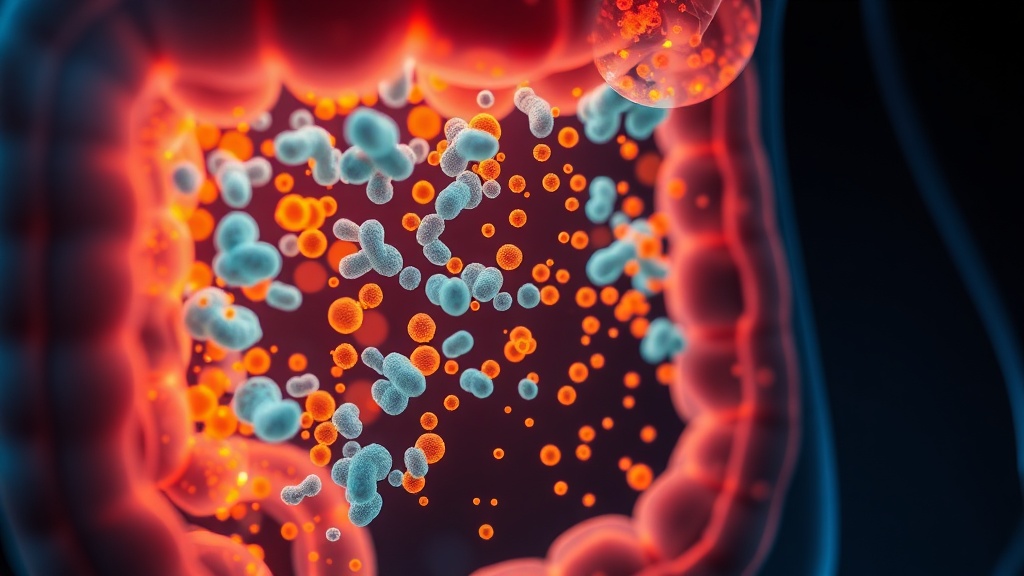
The results were stark. Alpha diversity collapsed, with Shannon index significantly reduced (p = 0.021) and Simpson index following suit (p = 0.034). The Firmicutes-to-Bacteroidetes ratio shifted significantly (p = 0.015), and beta diversity analysis via PERMANOVA (p = 0.002) confirmed that cafeteria-fed animals inhabited a fundamentally different microbial landscape than controls.
I want to be clear about what this means. Alpha diversity isn't just a number — it's a proxy for ecosystem resilience. When you lose microbial diversity during development, you're not just losing species. You're losing functional redundancy — the system's ability to recover from future perturbations.
The Metabolite Cascade#
Here's where the multi-omics approach earns its weight. By integrating metagenomic sequencing with targeted metabolomics, the researchers didn't just show who was missing from the gut — they showed what those missing organisms had been producing.
Cafeteria diet exposure caused significant reductions in:
- Acetic acid (p = 0.004)
- Butyric acid (p = 0.0014)
- Valeric acid (p = 0.0001)
- Heptanoic acid (p = 0.0125)
- Indole-3-propionic acid / IPA (p = 0.002)
Butyric acid is the primary fuel source for colonocytes and a critical regulator of gut barrier integrity and histone deacetylase (HDAC) inhibition — a pathway linked to epigenetic regulation and autophagy induction. IPA, meanwhile, functions as a potent antioxidant and AhR ligand, with emerging evidence linking it to neuroprotection and suppression of intestinal inflammation via the AhR/NF-κB/NLRP3 axis[1].
The correlation analyses added mechanistic texture. Butyrate showed a strong positive correlation with Faecalibacterium prausnitzii (ρ = 0.65, p = 0.003), while IPA correlated significantly with Bifidobacterium longum. These aren't random associations — they reflect defined metabolic pathways: F. prausnitzii is one of the most prolific butyrate producers in the human gut, and B. longum carries tryptophan-to-indole metabolism gene clusters confirmed by independent genomic work[5].
Probiotic Rescue: Not a Blanket Fix, But a Targeted Restoration#
The cafeteria diet group that received concurrent probiotic supplementation showed a markedly different trajectory. Probiotic administration largely restored SCFA and IPA levels to near-control values. At the species level, shotgun metagenomics revealed recovery of butyrate-producing genera including Anaerostipes hadrus, Intestinimonas butyriciproducens, Blautia wexlerae, and Flintibacter sp.[1].
But here's where I'd push back slightly. The study describes the restoration as "largely" preventing disruption — and I think that hedging is appropriate. Segatella copri, which expanded dramatically under cafeteria diet conditions, was only partially suppressed by probiotics. Your gut doesn't care about your supplement brand — it cares about ecological niches, and if the dietary substrate keeps favoring pathobionts, probiotics are fighting an uphill battle.
Corroborating Evidence: Bioengineered Probiotics and the SCFA Axis#
The ecosystem-level findings from Önlü et al. gain additional weight from a March 2026 study in Nature Communications by Mao, Jin, Dou et al., which took a radically different approach: bioengineering E. coli Nissle 1917 for enhanced ROS tolerance and functionalizing it with fructooligosaccharide-calcium carbonate composites (REcN-F/Ca)[3].
In high-fat diet-induced obese mice, REcN-F/Ca restored gut microbiota diversity, enriched butyrogenic taxa (Lachnospiraceae and Blautia), and rescued SCFA depletion. The metabolic results were dramatic: attenuated weight gain by 25.4% and reduced HOMA-IR by 73.2% — driven in part by PPAR signaling activation and suppression of adipose inflammation[3]. These are preclinical results in a murine model, and I'd want to see human translation before getting too excited. But the convergence of both studies on Blautia enrichment and SCFA rescue through different probiotic strategies is noteworthy.
Sex-Specific Vulnerabilities and the Gut-Brain Dimension#
A parallel 2026 study published in Nature Communications by a separate group examined Bifidobacterium longum APC1472 and FOS+GOS prebiotic interventions in mice exposed to early-life high-fat/high-sugar diets[4]. The finding that jumped out: early-life dietary insults produced persistent, sex-specific feeding alterations in adulthood — even after body weight normalized.
Females showed reduced leptin receptor-positive hypothalamic cells and disrupted arginine/tryptophan metabolism. Males showed impaired peptidoglycan sensing. B. longum APC1472 achieved greater behavioral restoration with minimal microbiome compositional changes — suggesting the mechanism was metabolite-mediated rather than colonization-dependent[4]. The thing about this result is that it forces us to reconsider what "probiotic efficacy" even means. If the bacteria don't need to permanently colonize to exert effects, we may be measuring the wrong endpoints.
Metabolite Reduction Under Cafeteria Diet (p-values)
COMPARISON TABLE#
| Method | Mechanism | Evidence Level | Cost | Accessibility |
|---|---|---|---|---|
| Multi-strain probiotic (Önlü et al.) | Restores butyrate-producing taxa, rescues SCFA/IPA via ecological rebalancing | Preclinical (rat model, multi-omics validated) | Low (~$15-30/month for commercial equivalents) | High — OTC probiotics widely available |
| Bioengineered REcN-F/Ca (Mao et al.) | ROS-tolerant engineered E. coli Nissle 1917 with FOS-CaCO₃; PPAR activation | Preclinical (mouse model) | Unknown — not commercially available | Very low — experimental only |
| B. longum APC1472 | Behavioral/metabolite restoration with minimal compositional change | Preclinical (mouse model, sex-specific) | Low-moderate | Moderate — strain-specific availability limited |
| B. longum BL21 (RCT) | Modulates β-diversity, reduces triglycerides via sphingolipid metabolism | Human RCT (n=66, 8 weeks) | Low (~$20/month) | Moderate — strain availability varies by region |
| L. plantarum OL3246 (pilot) | Reduces fecal calprotectin, restores redox balance, improves QoL in elderly | Human pilot trial (placebo-controlled) | Moderate | Low — proprietary strain |
| FOS + GOS prebiotics | Extensive microbiome compositional shifts, sex-specific gut-brain pathway restoration | Preclinical (mouse model) | Low (~$10-20/month) | High — widely available |
THE PROTOCOL#
Based on the convergent evidence from these multi-omics studies, here's a practical framework for leveraging probiotic intervention to protect or restore gut ecosystem integrity — with the caveat that most evidence remains preclinical, and optimal dosing in humans is not yet established.
Step 1: Assess your baseline. Before adding anything, understand your current microbial landscape. A shotgun metagenomic stool test (e.g., services offering species-level resolution) gives far more actionable data than 16S rRNA alone. Look specifically at butyrate-producer abundance: F. prausnitzii, Roseburia, Anaerostipes, and Blautia are key genera.
Step 2: Prioritize dietary substrate first. Probiotics cannot override a hostile dietary environment. Reduce ultra-processed food intake and increase fermentable fiber sources — resistant starch (cooked and cooled potatoes, green bananas), inulin-rich foods (chicory, garlic, onion), and FOS/GOS-containing foods or supplements (10-15g combined daily, titrated up to avoid GI distress).
Step 3: Select strains with mechanistic backing. Based on the current evidence, target a multi-strain formulation including Bifidobacterium longum (for IPA production and tryptophan metabolism support), Lactobacillus rhamnosus GG (for GABAergic and SCFA-mediated pathways[5]), and a Lactiplantibacillus plantarum strain if available. Dose: minimum 10 billion CFU daily, taken with food.
Step 4: Consider timing relative to life stage. The developmental model data suggests the protective window matters. For parents: probiotic co-administration during early childhood dietary transitions may offer the strongest protective effect. For adults recovering from prolonged poor dietary patterns: a minimum 8-week intervention period aligns with the human RCT data from the B. longum BL21 trial[6].
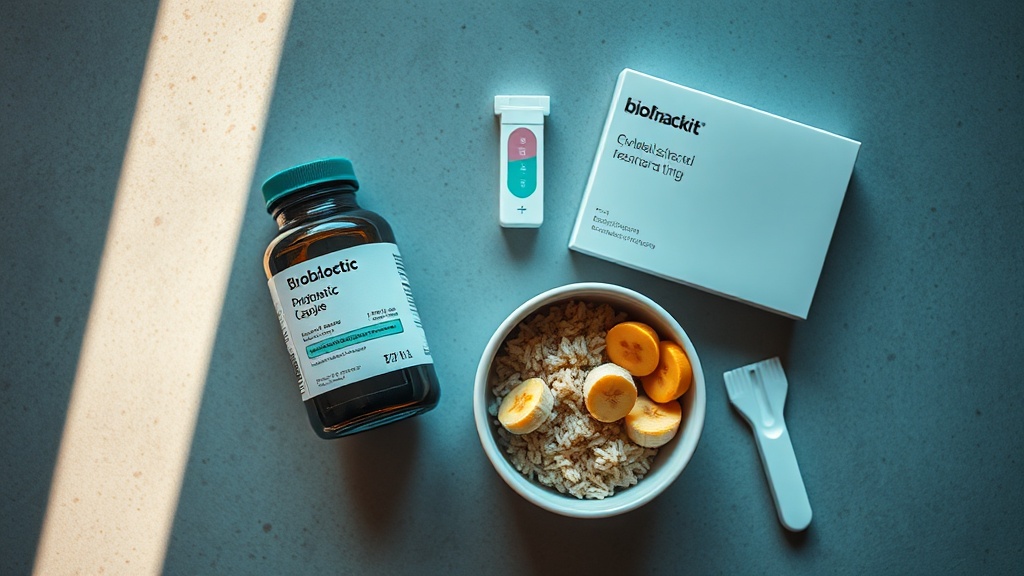
Step 5: Track metabolite proxies over time. If repeat stool testing isn't feasible, monitor indirect markers: stool consistency (Bristol scale 3-4 is optimal), gas and bloating patterns (should decrease as ecosystem stabilizes), and — if you have access — fecal calprotectin as a marker of intestinal inflammation, which the L. plantarum OL3246 pilot showed can decline with probiotic use[2].
Step 6: Reassess at 8-12 weeks. The BL21 human RCT showed significant β-diversity shifts and triglyceride reductions by week 8[6]. If you're not seeing subjective improvements by 12 weeks, the strain combination may not be right for your specific ecosystem — and honestly, we don't have great tools yet for predicting individual strain-response matching.
Related Video
What are short-chain fatty acids and why do they matter for gut health?#
Short-chain fatty acids — primarily acetate, propionate, and butyrate — are produced by bacterial fermentation of dietary fiber in the colon. Butyrate specifically serves as the primary energy source for colonocytes and acts as an HDAC inhibitor, influencing epigenetic regulation, gut barrier integrity, and local immune responses. The Önlü et al. study showed butyric acid was significantly depleted (p = 0.0014) under cafeteria diet conditions, with recovery under probiotic intervention[1].
How does indole-3-propionic acid (IPA) protect the gut?#
IPA is a tryptophan-derived metabolite produced primarily by specific gut bacteria, including Bifidobacterium longum. It functions as a potent antioxidant and activates the aryl hydrocarbon receptor (AhR), which suppresses intestinal inflammation through the NF-κB/NLRP3 pathway. In the developmental cafeteria diet model, IPA levels dropped significantly (p = 0.002), and this depletion correlated with loss of IPA-producing bacterial species[1].
Why might probiotics work differently in males and females?#
The B. longum APC1472 study revealed sex-specific feeding behavior alterations from early-life dietary insults — females showed disrupted leptin receptor signaling and tryptophan metabolism, while males exhibited impaired peptidoglycan sensing[4]. This suggests the gut-brain axis responds to microbial interventions through sexually dimorphic pathways, meaning probiotic efficacy may genuinely differ by sex. We don't yet have enough data to make strain-specific recommendations based on sex.
When is the best time to start probiotic intervention?#
Based on the developmental model data, the strongest protective effects occur when probiotics are administered concurrently with dietary insults during critical developmental windows[1]. For adults, the human RCT with B. longum BL21 showed meaningful metabolic changes within 8 weeks of daily supplementation[6]. I'd argue that starting sooner is generally better, but the honest answer is that optimal timing protocols in humans haven't been established through rigorous dose-finding studies.
What makes multi-omics better than single-method microbiome studies?#
Traditional 16S rRNA sequencing tells you who's present but not what they're doing. Multi-omics — combining metagenomics with metabolomics, transcriptomics, or proteomics — reveals functional relationships. The Önlü et al. study used both 16S and shotgun metagenomics alongside SCFA and IPA metabolite quantification, which is how they identified specific correlations like butyrate–F. prausnitzii (ρ = 0.65) that 16S alone would miss[1].
VERDICT#
7.5/10. The multi-omics approach here is genuinely valuable — integrating metagenomic and metabolomic data gives this study teeth that most probiotic papers lack. The statistical significance across multiple metabolite endpoints is convincing, and the species-level correlations with specific SCFAs provide mechanistic depth. The convergence with independent 2026 studies on Blautia enrichment and SCFA rescue strengthens confidence.
The catch, though. This is a rat model. The developmental window is well-chosen and the cafeteria diet is a legitimate proxy for Western dietary patterns, but we're still extrapolating to human protocols based on preclinical data. The B. longum BL21 human RCT helps bridge that gap, but it was a small trial with modest weight effects. I'm less convinced by the isobutyric acid result (p = 0.094 — that's not significant, and the paper seems to include it in the narrative anyway). Anyone who tells you we have definitive human dosing protocols from this data is selling something. What we do have is a compelling mechanistic framework and actionable direction — and that's worth quite a lot.
References
- 1.Önlü H, Teker HT, Keskin S, Genc AI, Allahverdi H, Elarslan A. Multi-omics insights into gut microbiota-metabolite interactions under probiotic intervention in a developmental cafeteria diet model. BMC Genomics (2026). ↩
- 2.Author(s) not listed. Probiotic Lactiplantibacillus plantarum OL3246 supports healthy aging by enhancing quality of life, reducing inflammation, and modulating gut microbiota: a pilot study. npj Aging (2026). ↩
- 3.Mao C, Jin W, Dou L. Bioengineered ROS-tolerant probiotic reshapes gut microbiota-host axis to ameliorate type 2 diabetes in male mice. Nature Communications (2026). ↩
- 4.Author(s) not listed. Bifidobacterium longum and prebiotic interventions restore early-life high-fat/high-sugar diet-induced alterations in feeding behavior in adult mice. Nature Communications (2026). ↩
- 5.Jin X, Li Z, Cai H. Integrating microbial genomics and neurotranscriptomics to understand the impact of probiotic strains on neurological health. Frontiers in Cellular and Infection Microbiology (2026). ↩
- 6.Author(s) not listed. Multi-omics analyses the effect of Bifidobacterium longum subsp. longum BL21 supplementation on overweight and obese subjects: a randomized, double-blind, placebo-controlled study. Nutrition & Metabolism (2025). ↩
Dax Miyori
Dax is comfortable with complexity and slightly impatient with people who want clean answers about the microbiome. He writes in systems terms and will point out when a study ignored confounding microbial variables: 'They didn't control for baseline diversity, which makes the result almost uninterpretable.' He uses 'ecosystem' and 'cascade' frequently — not as jargon, but because they're accurate.
View all articles →