Gut Microbiota in Space: Spaceflight Microbiome Shifts & Fixes

THE PROTOHUMAN PERSPECTIVE#
The thing about spaceflight is that it's the ultimate stress test for every system we've spent decades optimizing on Earth — and the gut microbiome is the canary in that particular coal mine. We're entering an era where commercial spaceflight isn't hypothetical. Space tourists with diverse medical histories, prior antibiotic use, and wildly different baseline microbiomes are going to orbit. And their gut ecosystems will face an exposome that human evolution never anticipated.
This matters for the broader biohacking community because the mechanisms at play — circadian disruption, radiation-induced oxidative stress, confinement psychology — aren't exclusive to astronauts. They're amplified versions of what shift workers, submarine crews, and even frequent long-haul flyers deal with. Understanding how microgravity cascades through the gut-brain-immune axis gives us a blueprint for protecting microbial homeostasis under any extreme condition. If we can keep an astronaut's microbiome intact on a Mars mission, we can certainly optimize yours on Earth.
THE SCIENCE#
What Spaceflight Actually Does to Gut Microbiota#
Gut microbiota dysbiosis during spaceflight is the product of a multi-variable assault. Cosmic radiation, microgravity, confined living quarters, altered diet, disrupted circadian rhythms, and psychological stress all converge on the same ecosystem simultaneously[1]. The result is a measurable decrease in beneficial microbial diversity and a shift in metabolite production patterns that cascade into immune dysfunction, metabolic disruption, and neurobehavioral changes.
Let me be direct: the field has known about spaceflight-induced dysbiosis for years. What's newer — and more useful — is the resolution at which we can now track it.
The Inspiration4 Multi-Omics Dataset#
The most significant dataset we have comes from Tierney et al.'s longitudinal study published in Nature Microbiology, which profiled four Inspiration4 crew members across 750 samples from 10 body sites at eight timepoints before, during, and after a three-day orbital mission[2]. They used paired metagenomics and metatranscriptomics alongside single-nuclei immune cell profiling. That's a serious analytical stack for just three days in space.
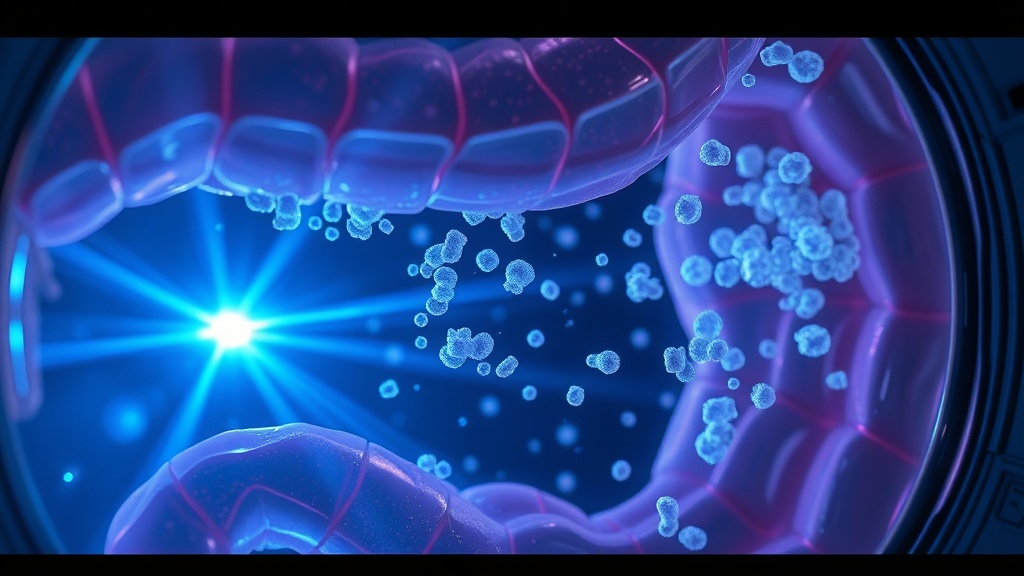
Most microbial alterations were transient. Skin-site viruses spiked during flight but normalized after. However — and this is the part that should concern anyone thinking about longer missions — longer-term shifts persisted in the oral microbiome. Specifically, plaque-associated bacteria from the phylum Fusobacteriota increased and stayed elevated, and those changes correlated directly with immune cell gene expression[2].
The thing about Fusobacteriota enrichment is that it's not just a dental hygiene footnote. These organisms are implicated in inflammatory cascades, and their persistence post-flight suggests the oral ecosystem didn't simply snap back to baseline. The microbial genes enriched across multiple body sites were associated with phage activity, toxin–antitoxin systems, and stress response pathways[2]. That's your ecosystem screaming that it's under threat.
The Psycho-Immune-Neuroendocrine Cascade#
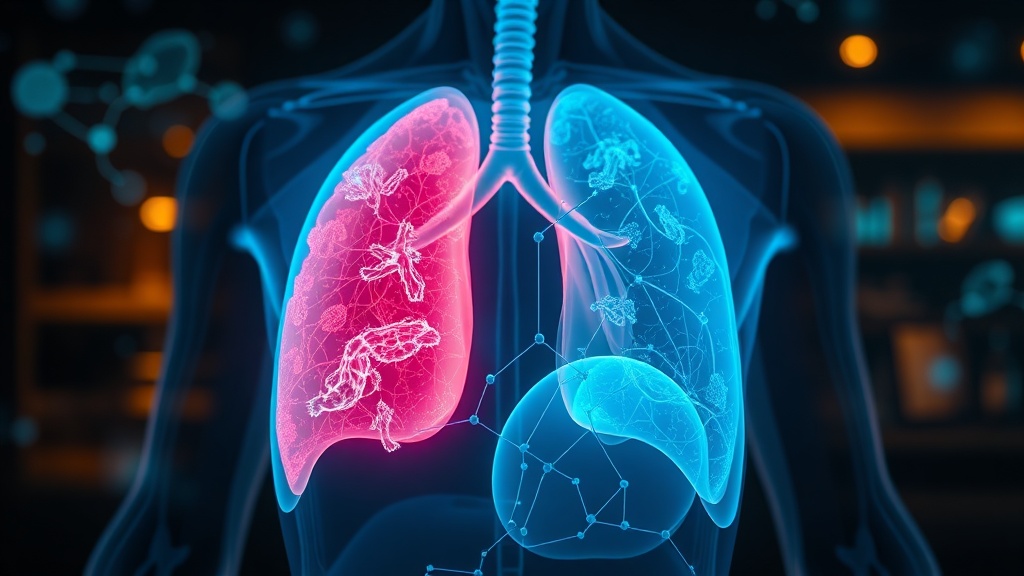
Here's where it gets complicated. Spaceflight doesn't just hit the gut — it hits the entire Psycho-Immune-Neuro-Endocrine (PINE) network. A 2025 review in npj Microgravity mapped out how microgravity activates non-specific stress responses through this integrated network, with gut microbiota-derived metabolites playing a central mediating role[3].
The Hypothalamic-Pituitary-Adrenal (HPA) axis goes into overdrive. Cortisol rises. The autonomic nervous system shifts toward sympathetic dominance, which directly suppresses gut motility and alters the mucosal immune environment. Meanwhile, circadian misalignment disrupts the rhythmic production of short-chain fatty acids — the metabolic currency your gut bacteria use to communicate with immune cells.
The cascade is bidirectional. Dysbiosis doesn't just result from stress — it amplifies it. Reduced butyrate production impairs intestinal barrier integrity, allowing microbial endotoxins to translocate into systemic circulation. That triggers proinflammatory cytokine production, which feeds back into the HPA axis. It's an ecosystem collapse, not a single-variable problem.
I'm less convinced by the proposed neuromodulation countermeasure discussed in the same review — transcutaneous vagal nerve stimulation. The theoretical logic is sound (vagal tone supports parasympathetic function and anti-inflammatory pathways), but the evidence base for its efficacy in actual spaceflight conditions is essentially zero. It's a hypothesis worth testing, not a recommendation I'd make yet.
Wearable Biosensors and Real-Time Monitoring#
The 2026 review in 3 Biotech pushes the conversation toward practical countermeasures, particularly wearable sensors capable of tracking microbial and proinflammatory biomarkers in real time[1]. The idea is continuous monitoring rather than periodic sampling — which is critical when you're 250 miles above Earth and can't exactly FedEx stool samples to a lab.
These sensors could enable personalized dietary interventions and probiotic supplementation adjusted on the fly. That's the right direction. Your gut doesn't care about your supplement brand — it cares about what's actually happening at the mucosal interface at any given moment.
But here's my skepticism: we genuinely don't know enough about individual microbiome response variability to make strong personalized recommendations yet — and anyone who tells you otherwise is selling something. The wearable tech is promising, but the interpretation algorithms need to catch up to the hardware.
Microbiome Shifts Across Body Sites During Spaceflight
COMPARISON TABLE#
| Method | Mechanism | Evidence Level | Cost | Accessibility |
|---|---|---|---|---|
| High-fiber dietary intervention | Promotes SCFA-producing bacteria; supports mucosal barrier | Multiple ground-analog studies; no in-flight RCTs | Low | High (implementable now) |
| Targeted probiotic supplementation | Reintroduces depleted taxa (e.g., Lactobacillus, Bifidobacterium) | Moderate (Earth-based RCTs; limited spaceflight data) | Low–Medium | High |
| Wearable microbial biosensors | Real-time biomarker tracking for personalized intervention | Early-stage; no validated spaceflight deployment | High (R&D phase) | Low (not commercially available) |
| Transcutaneous vagal nerve stimulation | Enhances parasympathetic tone; reduces HPA axis hyperactivation | Theoretical for spaceflight; Earth-based evidence exists | Medium | Medium (devices exist, protocol unvalidated for space) |
| Fecal microbiota transplant (FMT) | Restores baseline community structure | Strong Earth evidence; no spaceflight application tested | Medium–High | Low (logistically difficult in space) |
THE PROTOCOL#
Based on current evidence — and I want to emphasize that much of this extrapolates from ground-analog studies and short-duration missions — here's what a microbial homeostasis protocol looks like for extreme-environment exposure.
Step 1: Establish Your Baseline Microbiome Profile Before any extended confinement, high-radiation exposure, or circadian disruption, get a shotgun metagenomic sequencing panel. Not a 16S rRNA consumer test — you need functional gene-level data. This is your reference point for measuring drift.
Step 2: Pre-Load With Diversity-Supporting Dietary Fiber Start 4–6 weeks before the anticipated stressor. Increase intake of prebiotic fibers — inulin, resistant starch, beta-glucans — to at least 30g/day. The goal is to expand the population of butyrate-producing taxa (Faecalibacterium, Roseburia) before the assault begins.
Step 3: Implement a Multi-Strain Probiotic Regimen Select strains with documented colonization resilience: Lactobacillus rhamnosus GG, Bifidobacterium longum, and Saccharomyces boulardii. Take daily, ideally with the largest meal. Optimal dosing in humans under spaceflight-analog conditions is not yet established — start with 10–20 billion CFU and adjust based on GI tolerance.
Step 4: Maintain Circadian Feeding Windows Time-restricted eating (10–12 hour feeding window) supports circadian oscillations in gut microbial composition. This is non-negotiable. Circadian misalignment alone can drive dysbiosis even without the other stressors[3].
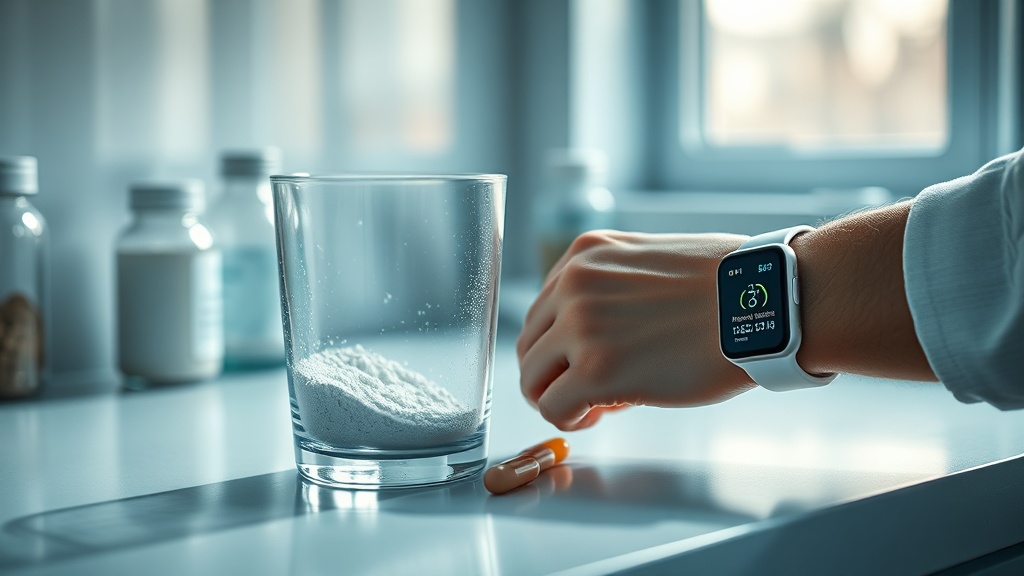
Step 5: Monitor Inflammatory Biomarkers Track fecal calprotectin and serum C-reactive protein at minimum. If wearable biosensor tech becomes available, adopt it. The earlier you catch mucosal inflammation, the faster you can intervene with targeted fiber or probiotic adjustments.
Step 6: Support the Gut-Brain Axis Directly Consider polyphenol-rich foods (blueberries, dark chocolate, green tea) that modulate the Microbiota-Gut-Brain axis. Early data suggests polyphenols support autophagy pathways in intestinal epithelial cells and may attenuate stress-induced permeability increases. I'd want to see this replicated more before making strong claims, but the risk-benefit ratio is excellent.
Step 7: Post-Exposure Recovery Sequencing After returning from the extreme environment, repeat your metagenomic panel at 2 weeks and 3 months post-return. Tierney et al. found that while most shifts were transient, some oral microbiome changes persisted[2]. You need to know if your ecosystem actually recovered.
Related Video
What happens to gut bacteria during spaceflight?#
Spaceflight reduces beneficial microbial diversity and enriches stress-response and phage-associated genes across multiple body sites. In the Inspiration4 study, skin viruses increased during flight, and oral plaque-associated bacteria persisted at elevated levels even after return to Earth[2]. The mechanisms involve microgravity, radiation, circadian disruption, and confinement stress acting simultaneously on the gut ecosystem.
How long do microbiome changes last after returning from space?#
Most changes appear transient — resolving within weeks of landing. However, Tierney et al. documented longer-term shifts in the oral microbiome, specifically increased Fusobacteriota, that correlated with altered immune cell gene expression and didn't fully normalize in the study period[2]. We honestly don't have enough long-duration data to say what happens after 6+ month missions.
Why does microgravity affect the gut microbiome?#
Microgravity alters fluid dynamics in the intestinal lumen, changes mucosal immune cell positioning, and disrupts the normal motility patterns that regulate bacterial distribution along the GI tract. It also activates the HPA axis stress cascade, which shifts autonomic nervous system balance toward sympathetic dominance — directly suppressing the gut's anti-inflammatory parasympathetic input[3].
Can probiotics prevent spaceflight-induced dysbiosis?#
Early evidence from ground-analog studies suggests dietary interventions including high-fiber diets and targeted probiotics can support beneficial microbial populations under confinement stress[1]. However, no in-flight randomized controlled trial has validated a specific probiotic protocol for spaceflight. The honest answer is we're extrapolating from Earth-based data.
Who is most at risk for microbiome disruption in space?#
Commercial spaceflight now includes individuals with diverse medical histories — immunocompromised passengers, cancer survivors, elderly travelers — who carry more variable baseline microbiomes and may be more susceptible to dysbiosis[2]. Anyone with pre-existing gut conditions or recent antibiotic use faces amplified risk.
VERDICT#
Score: 7/10
The science here is moving in the right direction. Tierney et al.'s Inspiration4 dataset is genuinely impressive — 750 samples, multi-omics resolution, longitudinal design. That's how microbiome science should be done. The 2026 review adds useful countermeasure framing with wearable biosensors and dietary interventions. But the field remains immature for prescription. We have n=4 for the best spaceflight microbiome study ever conducted. The countermeasures are logical but largely unvalidated in actual flight conditions. Transcutaneous vagal stimulation is interesting but speculative. I'd rate the evidence quality high and the translational readiness moderate. For biohackers on Earth dealing with circadian disruption, confinement, or radiation exposure, the dietary fiber and probiotic protocols are low-risk and worth implementing now. For anything more specific — wait for the data.
References
- 1.Gut microbiota shifts in spaceflight: a case study evidence and countermeasures for microbial homeostasis. 3 Biotech (2026). ↩
- 2.Tierney B T et al.. Longitudinal multi-omics analysis of host microbiome architecture and immune responses during short-term spaceflight. Nature Microbiology (2024). ↩
- 3.Spaceflight exposome/microgravity effects on the psychoimmunoneuroendocrine system. npj Microgravity (2025). ↩
Dax Miyori
Dax is comfortable with complexity and slightly impatient with people who want clean answers about the microbiome. He writes in systems terms and will point out when a study ignored confounding microbial variables: 'They didn't control for baseline diversity, which makes the result almost uninterpretable.' He uses 'ecosystem' and 'cascade' frequently — not as jargon, but because they're accurate.
View all articles →