Probiotics for Gestational Diabetes: Multi-Omics Microbiota Study

SNIPPET: Probiotic supplementation in women with gestational diabetes mellitus (GDM) may drive significant gut microbiota remodeling — increasing Lactobacillus 7.6-fold and Bifidobacterium 6.4-fold — while boosting short-chain fatty acid production and improving insulin signaling gene expression, according to a multi-omics study by Su et al. published in Frontiers in Cellular and Infection Microbiology (2026).
THE PROTOHUMAN PERSPECTIVE#
Gestational diabetes isn't just a pregnancy complication — it's a metabolic inflection point. Women who develop GDM face substantially elevated risk of type 2 diabetes later in life, and their offspring inherit a metabolic signature that may shape glucose homeostasis for decades. The thing about GDM is that it sits at a convergence of immune dysregulation, insulin resistance, and microbial ecosystem collapse, all happening inside a body that's already under extraordinary physiological stress.
What makes the new multi-omics data from Su et al. worth paying attention to is the scale of the microbial shifts observed. We're not talking about modest nudges in bacterial abundance. A 7.6-fold increase in Lactobacillus and 6.4-fold increase in Bifidobacterium in just 8 weeks is an ecosystem-level event. If these findings replicate, probiotics could move from "nice adjunct" to a genuine pillar of GDM management — one that addresses root microbial dysfunction rather than just chasing blood glucose numbers. For anyone interested in intergenerational metabolic programming, this is where the cascade begins.
THE SCIENCE#
Defining the Ecosystem Disruption#
Gestational diabetes mellitus is a glucose tolerance disorder first identified during pregnancy, affecting approximately 14% of pregnancies globally. It matters because it represents a critical window where maternal metabolic dysfunction can program offspring for lifelong metabolic disease. Su et al. reported that probiotic supplementation produced a 7.6-fold increase in Lactobacillus abundance and a 6.4-fold increase in Bifidobacterium over 8 weeks of intervention[1]. The International Diabetes Federation and multiple clinical guideline bodies now recognize the gut microbiome as a modifiable factor in GDM pathogenesis.
The multi-omics design of the Su et al. study is what separates it from the usual single-marker probiotic trials. They combined metagenomic sequencing, untargeted LC-MS metabolomics (serum and urine), and qRT-PCR gene expression analysis — then integrated the data using PCA, PLS-DA, and network analysis with KEGG and MetaboAnalyst pathway enrichment[1]. That's a genuinely layered approach.
The SCFA Cascade#
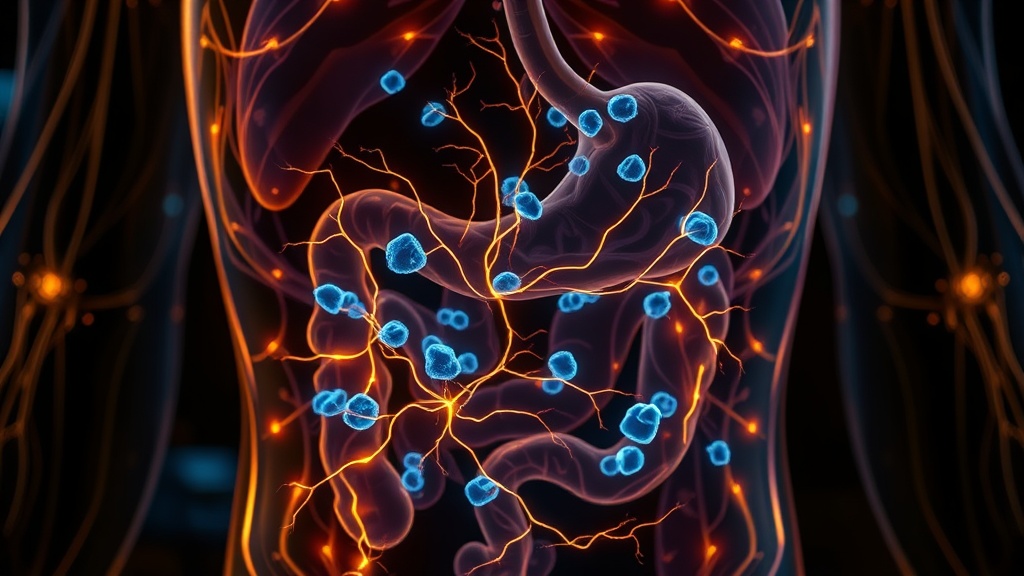
The data shows that short-chain fatty acid production responded dramatically. Butyrate increased 3.1-fold and acetate 2.5-fold following probiotic supplementation[1]. This matters because butyrate is the primary energy substrate for colonocytes and a key regulator of gut barrier integrity. When butyrate levels drop — as they do in GDM — you get increased intestinal permeability, endotoxin translocation, and systemic inflammation that worsens insulin resistance.
The thing about SCFAs that most people miss: they aren't just gut-local molecules. Butyrate acts as a histone deacetylase inhibitor, influencing epigenetic regulation of inflammatory genes. Acetate enters systemic circulation and modulates appetite signaling via free fatty acid receptors. So a 3.1-fold butyrate increase isn't just "better gut health" — it's a multi-organ signaling event affecting autophagy pathways, mitochondrial efficiency in colonocytes, and peripheral insulin sensitivity simultaneously.
Insulin Signaling Gene Expression#
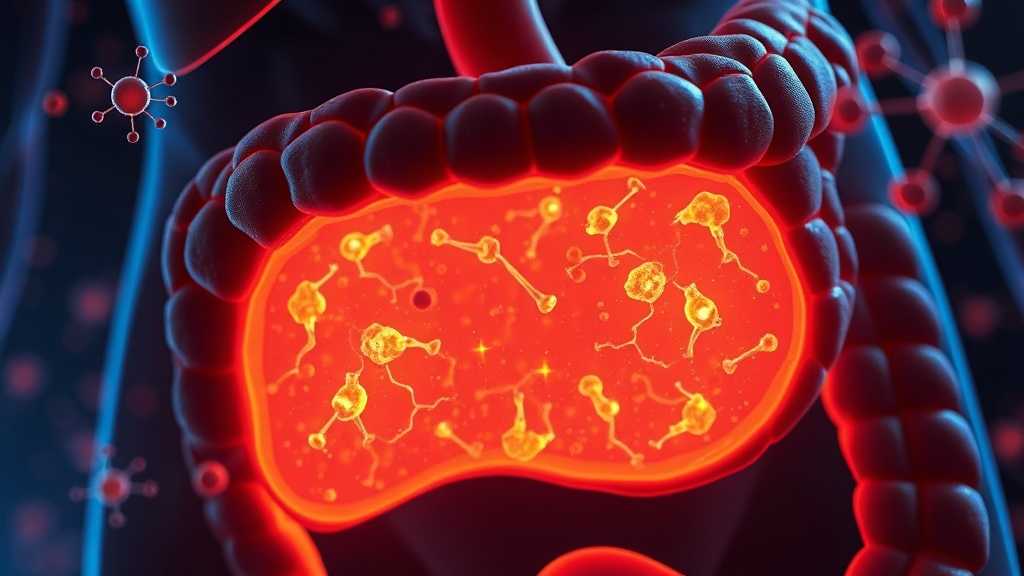
Here's where the mechanistic story gets interesting — and where I have some reservations. Su et al. found that insulin receptor gene expression increased 2.5-fold and AKT expression increased 1.9-fold after probiotic supplementation[1]. These are critical nodes in the PI3K/AKT insulin signaling pathway.
But let me push back on that. Gene expression changes measured by qRT-PCR don't necessarily translate to proportional changes in protein activity or downstream phosphorylation events. A 2.5-fold increase in insulin receptor mRNA is suggestive, not conclusive. I'd want to see Western blot confirmation and phospho-AKT assays before getting too excited about the signaling claims. The honest answer is that we know the transcriptional machinery moved — we don't yet know how much functional signaling improvement that produced.
Pathogen Suppression#
The reduction in Escherichia/Shigella abundance is notable, though the study didn't report exact fold-change values for this group[1]. Escherichia overgrowth is consistently associated with gut barrier disruption and systemic inflammation in metabolic disease. The competitive exclusion model — where beneficial Lactobacillus and Bifidobacterium outcompete pathogenic taxa for niche space and nutrients — is well-established, but the magnitude here suggests something beyond simple competition. Probiotic-driven changes in luminal pH via SCFA production likely created an environment actively hostile to facultative anaerobes like Escherichia.
Corroborating Evidence and Context#
Yu et al.'s narrative review, published in Frontiers in Microbiology, synthesized evidence showing that probiotics and prebiotics can significantly alleviate elevated fasting glucose and insulin resistance in GDM patients, though their preventive effect on GDM incidence remains unclear[2]. This distinction is critical. We may be looking at a treatment tool, not a prevention tool — at least based on current evidence.
The Bilska et al. RCT adds a practical dimension. Their 12-week trial of multi-strain probiotics (2 × 10⁹ CFU/day) in women with elevated HOMA-IR treated with metformin found that probiotics significantly reduced GI side effects — abnormal stool consistency dropped from 52% to 26% (p < 0.05), and abnormal stool frequency dropped from 51% to 18% (p < 0.05)[3]. No significant between-group differences were observed for metabolic markers, though. Your gut doesn't care about your supplement brand, but it does care about the microbial ecosystem those supplements create.
Meanwhile, Guo et al. demonstrated that Lactobacillus helveticus WIS02 reduced fasting blood glucose by 66% and improved oral glucose tolerance (AUC decreased 51.6%) in STZ-induced diabetic mice, while increasing Akkermansia muciniphila and Parabacteroides distasonis[4]. The numbers are dramatic — but these are mouse data, and I'm always cautious about translating murine diabetes models to human GDM.
Sheng et al.'s RCT with 98 high-risk pregnant women found that 5 weeks of soluble dietary fiber supplementation improved glycemic excursions and reduced gestational weight gain, even though overall GDM incidence didn't statistically differ between groups[5]. They also developed a nomogram integrating microbial signatures with clinical variables to predict GDM risk — a genuinely useful translational step.
Fold Changes After 8-Week Probiotic Supplementation in GDM
COMPARISON TABLE#
| Method | Mechanism | Evidence Level | Cost | Accessibility |
|---|---|---|---|---|
| Multi-strain probiotics (Su et al.) | Microbiota remodeling → SCFA production → insulin signaling upregulation | Single multi-omics study (human) | Low (~$20–40/month) | High — OTC supplements |
| Dietary fiber supplementation | Prebiotic fermentation → microbiota modulation → glycemic control | Single RCT, 98 participants[5] | Very low (~$10–15/month) | Very high — dietary change |
| Probiotics + Metformin (Bilska et al.) | GI symptom reduction; no additive metabolic benefit observed | 12-week RCT, n=30[3] | Moderate (~$30–50/month combined) | Requires prescription (metformin) |
| L. helveticus WIS02 | Glycolipid regulation, pancreatic protection, Akkermansia enrichment | Preclinical (mouse model)[4] | Unknown (not commercially available) | Not yet accessible |
| Standard GDM management (diet + insulin) | Caloric control + exogenous insulin for glycemic targets | Multiple RCTs, clinical guidelines | High (insulin costs vary) | Requires medical supervision |
THE PROTOCOL#
Based on the current evidence — and I want to be clear, this is early-stage data mostly from single studies — here is a practical framework for those interested in probiotic-based GDM support. This is not medical advice, and anyone with GDM should work with their obstetric team.
Step 1. Establish baseline gut status. Before starting any probiotic protocol, request a comprehensive stool analysis (16S rRNA or metagenomic sequencing where available) to assess current Lactobacillus, Bifidobacterium, and Escherichia levels. Baseline microbial diversity matters — the response to probiotics varies enormously depending on your starting ecosystem.
Step 2. Select a multi-strain probiotic containing both Lactobacillus and Bifidobacterium species. Based on the Su et al. data[1] and the Bilska et al. trial[3], target a minimum of 2 × 10⁹ CFU/day. Strain specificity matters more than total CFU count — look for clinically studied strains rather than generic "Lactobacillus blend" labels.
Step 3. Combine with a prebiotic fiber strategy. The Sheng et al. data suggests that soluble dietary fiber supplementation (starting around gestational week 20) may independently improve glycemic excursions[5]. Sources include inulin, psyllium husk, and partially hydrolyzed guar gum. Aim for 25–30g total daily fiber, with at least 10g from soluble sources.
Step 4. Time supplementation strategically. Take probiotics on an empty stomach or 30 minutes before meals to maximize survival through gastric acid. Prebiotic fiber should accompany meals to slow glucose absorption and provide fermentation substrate for newly introduced bacteria.

Step 5. Monitor glycemic response continuously. If available, use a continuous glucose monitor (CGM) to track postprandial glucose excursions during the supplementation period. The data from Sheng et al. showed improvements in 1-hour post-glucose load values specifically[5] — this is where you'll see the signal first.
Step 6. Reassess at 8 weeks. The Su et al. study observed significant microbial shifts at the 8-week mark[1]. Repeat stool analysis to assess whether Lactobacillus and Bifidobacterium abundance has increased and whether Escherichia/Shigella has decreased. Adjust protocol based on results.
Step 7. Do not discontinue standard GDM management. Probiotics and fiber are adjunctive — not replacements for dietary management, glucose monitoring, or insulin therapy if prescribed. The evidence does not yet support using microbiota-targeted interventions as standalone GDM treatment.
Related Video
VERDICT#
7.5/10. The Su et al. multi-omics study delivers genuinely impressive fold-change numbers and a well-designed integrative methodology. The 7.6-fold Lactobacillus and 3.1-fold butyrate increases are hard to ignore. But this is still a single study without reported sample size, and the gene expression data lacks protein-level validation. The corroborating evidence from Yu et al., Bilska et al., and Sheng et al. strengthens the overall case — but none of it definitively proves probiotics should become standard GDM care. What I find most promising is the multi-omics approach itself. If replicated with larger cohorts, pre-registered protocols, and functional metabolic endpoints, this line of research could genuinely redefine how we manage metabolic dysfunction during pregnancy. For now, it's strong signal in a noisy field. I'd trial it as an adjunct — carefully — but I wouldn't rewrite clinical guidelines based on this alone.
Frequently Asked Questions5
References
- 1.Su X, Yang J, Le Z, Xiao J, Zhao D. Integrative multi-omics analysis reveals probiotic-induced microbiota shifts in women with gestational diabetes. Frontiers in Cellular and Infection Microbiology (2026). ↩
- 2.Yu J, Chen H, Ren J, Lin H, Shao C, Ren Y, Zeng Y, Wu Y, Zhang Q, Xiao X. Maternal probiotic and prebiotic supplementation on glucose metabolism in pregnant women and their offspring: effects and related mechanisms. Frontiers in Microbiology (2026). ↩
- 3.Bilska A, Musialik K, Skonieczna-Żydecka K, Ratajczak M, Łoniewski I, Gogojewicz A, Karolkiewicz J. Multi-strain probiotic reduces gastrointestinal side effects in women with elevated HOMA-IR index treated with metformin: a 12-week randomised controlled trial. Frontiers in Endocrinology (2026). ↩
- 4.Guo S, Li Y, Yang Y, Jiang Y, Wang Y, Duan Y, Wu C, Cao Y. Novel probiotic Lactobacillus helveticus WIS02 alleviates diabetes through multi-pronged regulation of glycolipid metabolism, pancreatic protection and gut microbiota remodeling. Frontiers in Microbiology (2026). ↩
- 5.Sheng J, He P, Zhou M, Sun Y, Jiang Y, Jia H, Wang L, Zhang D, Wang J, Cao Y, Xu X, Teng Y. Dietary fiber supplementation mitigates gestational diabetes risk and preterm birth via gut microbiota modulation: a randomized controlled trial. Frontiers in Endocrinology (2026). ↩
Dax Miyori
Dax is comfortable with complexity and slightly impatient with people who want clean answers about the microbiome. He writes in systems terms and will point out when a study ignored confounding microbial variables: 'They didn't control for baseline diversity, which makes the result almost uninterpretable.' He uses 'ecosystem' and 'cascade' frequently — not as jargon, but because they're accurate.
View all articles →