Akkermansia Muciniphila + Sodium Butyrate for Chemo Neuropathy

THE PROTOHUMAN PERSPECTIVE#
Chemotherapy saves lives. It also destroys nerves. Oxaliplatin-induced peripheral neuropathy (OIPN) affects up to 90% of patients receiving platinum-based regimens, and the medical community has been embarrassingly short on solutions. What Fu et al. published in Frontiers in Immunology this March flips the intervention target from the nervous system to the gut — and that shift matters enormously for anyone thinking about human performance optimization through microbial ecosystems.
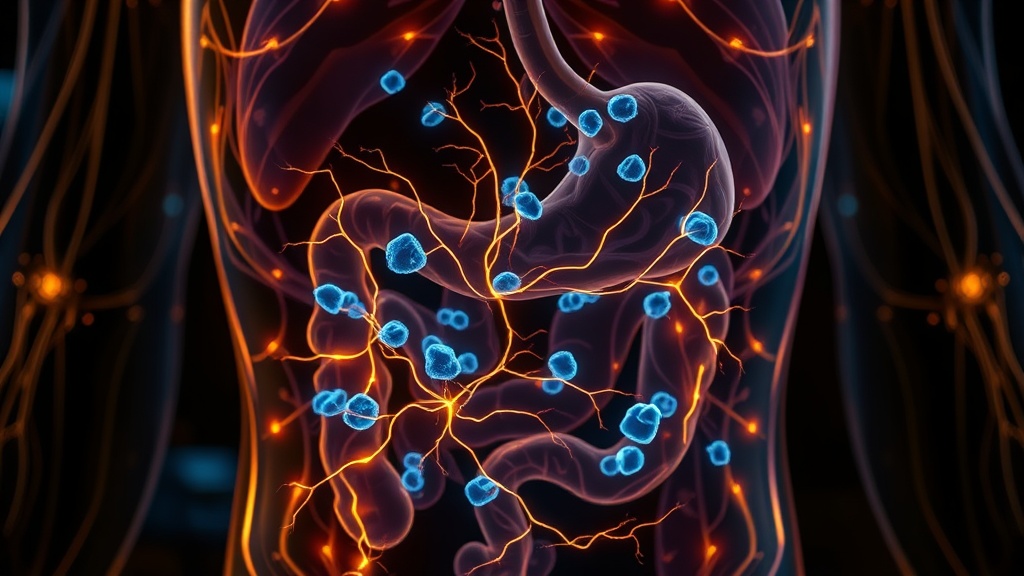
The thing about neuropathy is that we've been treating it as a wiring problem when it's increasingly looking like a plumbing problem. The cascade starts in the gut: barrier dysfunction, microbial collapse, systemic inflammation, and then nerve damage. This study suggests that restoring the ecosystem — specifically with Akkermansia muciniphila plus sodium butyrate — may interrupt that cascade before it reaches the dorsal root ganglia. For the biohacking community, this is a signal that gut-nerve axis interventions are entering a new phase of specificity. We're no longer just talking about "gut health." We're talking about targeted microbial interventions for specific neurological outcomes.
THE SCIENCE#
The Gut-Peripheral Nerve Axis: A Missing Link in Neuroprotection#
Oxaliplatin-induced peripheral neuropathy is the primary dose-limiting side effect of platinum-based chemotherapy, characterized by mechanical allodynia, cold sensitivity, and progressive sensory loss in the extremities. The standard clinical approach has been dose reduction or discontinuation — essentially sacrificing cancer treatment efficacy to protect nerves. Fu et al. (2026) took a fundamentally different approach by targeting the gut-peripheral nerve axis, a bidirectional communication pathway that's only recently been recognized as a modifiable therapeutic target[1].
Their rat model used Sprague-Dawley rats randomized into five groups: control, oxaliplatin-only (model), A. muciniphila alone, sodium butyrate (NaB) alone, and combined A. muciniphila + NaB. Oxaliplatin was administered via tail vein injection to induce progressive neuropathy. The combination group showed the most pronounced improvements across every measured outcome — mechanical allodynia, cold allodynia, body weight preservation, and histopathological markers.
I want to be clear: this is a rat study. The sample sizes are small and the translation to human physiology is uncertain. But the mechanistic coherence here is what caught my attention.
Neuroinflammation Suppression and NfL as a Biomarker#
The study measured serum neurofilament light chain (NfL), which is gaining traction as an objective biomarker for neuronal damage across multiple neurological conditions. The combined intervention significantly reduced serum NfL levels compared to the oxaliplatin-only group, suggesting measurable neuroprotection at the axonal level[1].
This is important for a specific reason: OIPN diagnosis currently relies on subjective symptom reporting. Patients describe tingling, numbness, cold sensitivity — and clinicians grade it on scales that are notoriously inconsistent. NfL offers something the field desperately needs: an objective, quantifiable blood marker that correlates with actual nerve fiber damage. If this translates to humans, it could transform how we monitor and dose-adjust chemotherapy regimens.
The inflammatory cytokine data further supports the neuroinflammation hypothesis. Oxaliplatin triggered elevated pro-inflammatory markers systemically, and the combined A. muciniphila + NaB intervention suppressed this inflammatory cascade more effectively than either agent alone.
Why This Combination Works: Ecosystem Logic#
Here's where I push back slightly on the study's framing. The authors present A. muciniphila and sodium butyrate as two distinct interventions that happen to synergize. The ecosystem reality is more integrated than that.
Akkermansia muciniphila is a mucin-degrading commensal that maintains intestinal barrier integrity through multiple mechanisms. Its outer membrane protein Amuc_1100 activates TLR2 signaling, enhances superoxide dismutase (SOD) activity, and reduces oxidative damage markers like MDA[3]. The bacterium also produces short-chain fatty acids (SCFAs) endogenously — including butyrate. So supplementing exogenous sodium butyrate alongside A. muciniphila is essentially flooding the system with barrier-repair signals from two directions simultaneously.
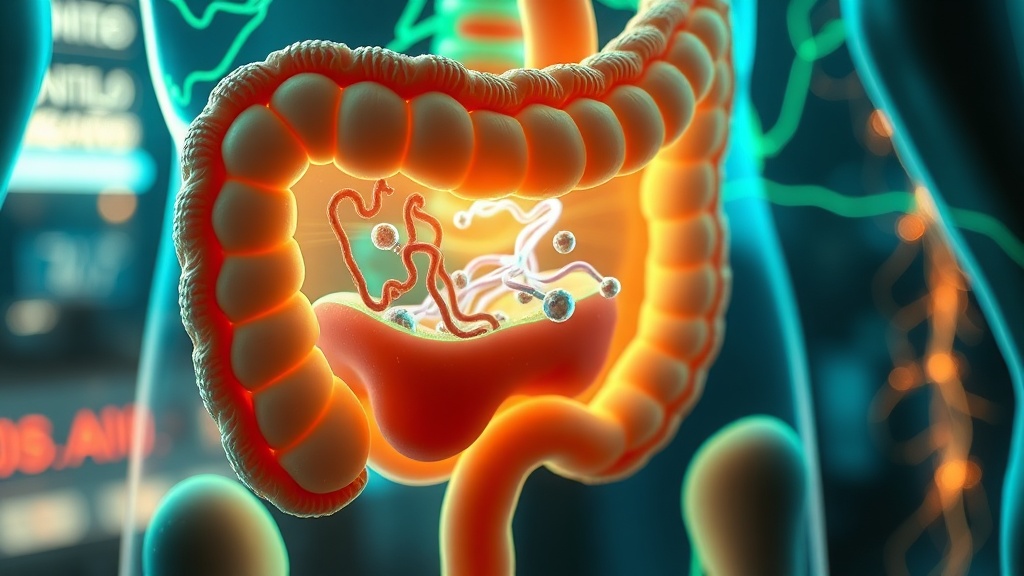
Cheatham et al. (2025) demonstrated in Scientific Reports that oral butyrate improved epithelial permeability and prevented chemotherapy-induced gastrointestinal toxicity and microbial dysbiosis in irinotecan-treated mice[2]. Their finding that loperamide — the standard clinical intervention for chemotherapy-induced diarrhea — develops tolerance with chronic use while butyrate does not is a damning indictment of current standard-of-care approaches. Your gut doesn't care about your anti-diarrheal brand.
Zhou and Hu (2025) further showed that A. muciniphila supplementation at higher doses restored gut microbiota diversity and modulated TNF and NF-κB signaling pathways in LPS-challenged mice[4]. The dose-response relationship they observed — 82 mg/kg outperforming 41 mg/kg — suggests that A. muciniphila efficacy may be threshold-dependent, which has real implications for anyone designing a supplementation protocol.
The Broader Neuroimmune Context#
What connects all of this is the recognition that the gut ecosystem doesn't just influence digestion — it modulates systemic immune tone, which directly impacts neuronal survival. Han et al. (2025) published in Frontiers in Immunology that sodium butyrate, as a histone deacetylase (HDAC) inhibitor, enhanced anti-tumor CD8+ T cell immunity while modulating gut microbiota composition in glioma models[5]. The dual action — immunomodulatory and neuroprotective — suggests butyrate operates through autophagy pathways and epigenetic regulation simultaneously.
The thing about sodium butyrate that most people miss is that it's not just fuel for colonocytes. It's an epigenetic modifier. HDAC inhibition by butyrate alters gene expression patterns across multiple tissue types, including neurons. In the context of OIPN, this means butyrate may be actively reprogramming the inflammatory gene expression triggered by oxaliplatin — not just passively supplying energy to gut cells.
Atzeni et al. (2025) demonstrated that intermittent A. muciniphila supplementation normalized fasting glucose, improved glucose metabolism, and modulated SCFA profiles in Alzheimer's mouse models[6]. The crossover relevance here is that neuroinflammation is neuroinflammation — whether it's amyloid-driven or chemotherapy-driven, the gut-brain axis machinery is shared.
Treatment Group Outcomes in OIPN Rat Model
COMPARISON TABLE#
| Method | Mechanism | Evidence Level | Cost | Accessibility |
|---|---|---|---|---|
| A. muciniphila + Sodium Butyrate (combined) | Gut barrier repair + neuroinflammation suppression via SCFA signaling and TLR2 activation | Preclinical (rat model, single study) | Low–Moderate (~$30–60/month) | Emerging; A. muciniphila supplements entering market |
| Duloxetine (current standard) | SNRI; central pain modulation | Moderate (human RCTs, modest effect size) | Low (~$15–30/month generic) | Widely available by prescription |
| Dose Reduction/Discontinuation | Reduces neurotoxin exposure | High (clinical standard) | Zero direct cost | Universal but compromises cancer treatment |
| Gabapentin/Pregabalin | Calcium channel modulation, central sensitization | Weak (mixed RCT results for CIPN) | Low (~$10–25/month generic) | Widely available by prescription |
| Cryotherapy (ice gloves/socks) | Local vasoconstriction reduces oxaliplatin nerve exposure | Moderate (small human trials) | Very low | Requires clinical setting during infusion |
THE PROTOCOL#
Important caveat: This protocol is based on preclinical animal data. No human RCTs exist for this specific combination in OIPN. If you are undergoing chemotherapy, consult your oncologist before adding any supplements. Honestly, we don't know enough about human dosing to make strong recommendations here — and anyone who tells you otherwise is selling something.
That said, based on current evidence and the safety profiles of both agents individually, here is a reasonable approach for those who choose to trial this under medical supervision:
Step 1: Establish baseline gut ecosystem status. Before starting any intervention, get a comprehensive stool analysis (e.g., GI-MAP or equivalent) to assess baseline Akkermansia abundance and overall microbial diversity. This gives you a reference point. If Akkermansia is already abundant (>3% relative abundance), the benefit of exogenous supplementation may be marginal.
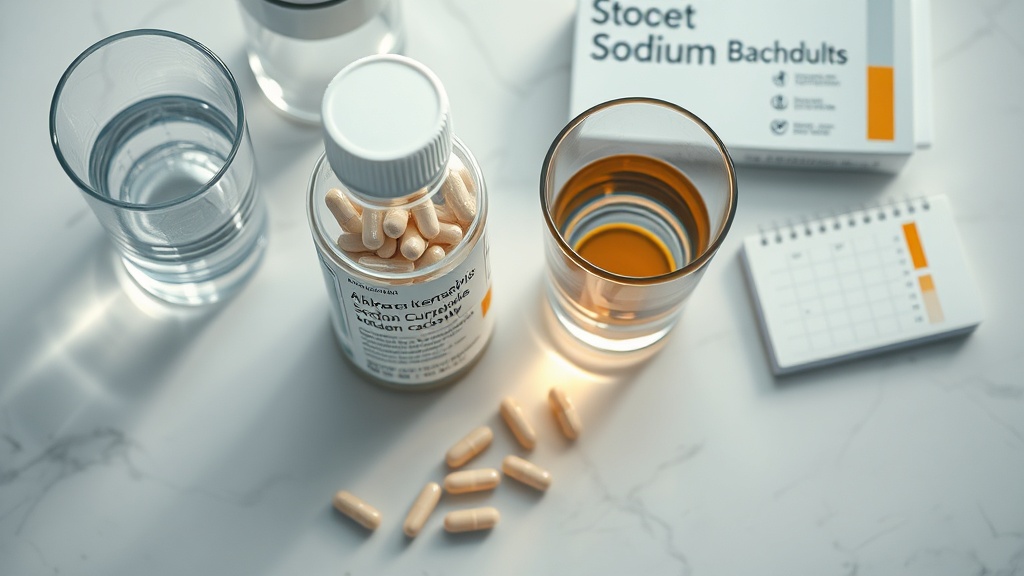
Step 2: Begin Akkermansia muciniphila supplementation. Start with a pasteurized A. muciniphila supplement (the pasteurized form has shown equal or superior efficacy to live bacteria in human studies for metabolic endpoints). Target dose: 10^9 CFU equivalent daily, taken with a meal. The Amuc_1100 protein remains active after pasteurization, which is the primary mechanism of action for barrier repair.
Step 3: Add sodium butyrate supplementation. Introduce sodium butyrate at 300–600 mg twice daily with food. Start at the lower dose for one week to assess GI tolerance. Butyrate can cause mild GI discomfort initially as the colonic environment adjusts. Enteric-coated or delayed-release formulations may improve colonic delivery and reduce gastric irritation.
Step 4: Time the protocol relative to chemotherapy cycles. Based on the Fu et al. design, begin supplementation at least 5–7 days before the first chemotherapy infusion and continue throughout the treatment course. The protective effects appear to be preventive as well as therapeutic — establishing gut barrier integrity before the chemotherapeutic insult may be more effective than attempting rescue afterward.
Step 5: Monitor with serum NfL if available. Request serum neurofilament light chain testing at baseline and at 4-week intervals during chemotherapy. While not yet standard clinical practice for OIPN, NfL testing is commercially available and may provide objective tracking of neuronal damage. A rising NfL during treatment suggests the neuroprotective protocol may need intensification or the chemotherapy dose requires adjustment.
Step 6: Support the ecosystem with prebiotic fiber. A. muciniphila thrives on mucin, but its broader ecosystem depends on dietary fiber diversity. Include 25–35g of mixed prebiotic fibers daily (resistant starch, inulin, GOS). Atzeni et al. found that combining A. muciniphila with galactooligosaccharides produced synergistic effects on gut microbiota composition and SCFA profiles[6].
Step 7: Reassess at 8 weeks. Repeat the stool analysis and NfL testing. Compare microbial diversity metrics and neuropathy symptom scores. Adjust the protocol based on objective data, not subjective impressions.
Related Video
What is oxaliplatin-induced peripheral neuropathy and why is it so difficult to treat?#
OIPN is nerve damage caused by the chemotherapy drug oxaliplatin, affecting up to 90% of patients on platinum-based regimens. It manifests as numbness, tingling, and cold sensitivity in the hands and feet. The reason it's so difficult to treat is that we've lacked both effective neuroprotective agents and objective diagnostic biomarkers — clinicians have been forced to rely on patient-reported symptoms, which are inconsistent and often underreported.
How does Akkermansia muciniphila protect against nerve damage?#
A. muciniphila reinforces the intestinal mucosal barrier by degrading and stimulating mucin production, while its outer membrane protein Amuc_1100 activates TLR2 signaling to enhance antioxidant defenses. This reduces systemic inflammation — the upstream driver of neuronal damage in OIPN. In the Fu et al. rat model, this barrier-repair mechanism appeared to interrupt the gut-to-nerve inflammatory cascade before it reached the dorsal root ganglia[1].
Why combine sodium butyrate with Akkermansia muciniphila rather than using either alone?#
Each agent alone showed partial neuroprotection in the preclinical model, but the combination was markedly more effective. The logic is ecosystem-level: A. muciniphila restores barrier integrity and microbial balance, while exogenous butyrate provides immediate SCFA substrate for colonocyte energy, HDAC inhibition for epigenetic anti-inflammatory effects, and additional barrier-tightening signals. They operate through complementary but overlapping pathways — which is how healthy gut ecosystems actually function.
When might serum NfL testing become standard for chemotherapy patients?#
NfL is already validated as a biomarker in multiple sclerosis and other neurodegenerative conditions. For OIPN specifically, Fu et al. provide some of the first preclinical evidence supporting its utility for early diagnosis and therapeutic monitoring[1]. I'd want to see this replicated in human cohorts before calling it standard-of-care, but the commercial availability of NfL testing means motivated clinicians could adopt it now as an adjunct measure. Realistically, clinical guidelines might incorporate it within 3–5 years if human validation studies confirm the preclinical signal.
Who should consider this gut-nerve axis approach?#
Anyone undergoing oxaliplatin-based chemotherapy (commonly for colorectal, gastric, or pancreatic cancers) who wants to explore adjunctive neuroprotection should discuss this with their oncologist. The safety profiles of pasteurized A. muciniphila and sodium butyrate are well-established individually. However — and I can't stress this enough — the combination has only been tested in rats, so framing this as a "protocol" rather than a "proven treatment" is the honest position.
VERDICT#
Score: 6.5/10
The mechanistic logic is sound and the ecosystem-level thinking is exactly where the field needs to go. Targeting the gut-peripheral nerve axis for OIPN is a genuinely novel approach, and the inclusion of NfL as an objective biomarker adds clinical utility that the neuropathy field desperately needs. But let me be direct: this is one preclinical study in rats. The sample sizes weren't disclosed in the available abstract, the specific dosing parameters for the combination aren't fully detailed, and they didn't control for baseline microbial diversity — which makes interpretation harder than the authors probably want to admit. I'm cautiously optimistic, but I'd need human pilot data before moving this score above a 7. The supporting evidence from Cheatham et al. and Atzeni et al. strengthens the biological plausibility considerably, yet plausibility isn't proof. Watch this space.
References
- 1.Fu D, Chen J, Wang Y, Xu D, Hu Q, Wu J. Combined intervention of Akkermansia muciniphila and sodium butyrate ameliorates oxaliplatin-induced peripheral neuropathy by suppressing neuroinflammation and reducing serum neurofilament light chain. Frontiers in Immunology (2026). ↩
- 2.Cheatham SM, Rehman Z, Arastonejad M, Kane R, Ahmad N, Luffman N, Harada H, Zhang Y, Tyc KM, Gewirtz DA, Akbarali HI. Butyrate prevents chemotherapy-induced gastrointestinal toxicity and microbial dysbiosis. Scientific Reports (2025). ↩
- 3.Author(s) not listed. Akkermansia muciniphila: a microbial guardian against oxidative stress–gut microbiota crosstalk and clinical prospects. Journal of Translational Medicine (2025). ↩
- 4.Zhou J, Lin X, Hu Y. Akkermansia muciniphila helps in the recovery of lipopolysaccharide-fed mice with mild intestinal dysfunction. Frontiers in Microbiology (2025). ↩
- 5.Han M, Tang H, Gao H, Li G, Xu Z, Du J, Li S, Wang L, Fan H, Zhou Z, Peng C, Peng F. Combination of Sodium Butyrate and Immunotherapy in Glioma: regulation of immunologically hot and cold tumors via gut microbiota and metabolites. Frontiers in Immunology (2025). ↩
- 6.Atzeni A, Mingaila J, Jamontas R, Keževičiūtė E, Kunevičius A, Vijaya AK, Šimoliūnė I, Gueimonde M, Meškys R, Baltriukienė D, Arboleya S, Burokas A. Intermittent supplementation with Akkermansia muciniphila and galactooligosaccharides modulates Alzheimer's disease progression, gut microbiota, and colon short-chain fatty acid profiles in mice. Frontiers in Aging Neuroscience (2025). ↩
Dax Miyori
Dax is comfortable with complexity and slightly impatient with people who want clean answers about the microbiome. He writes in systems terms and will point out when a study ignored confounding microbial variables: 'They didn't control for baseline diversity, which makes the result almost uninterpretable.' He uses 'ecosystem' and 'cascade' frequently — not as jargon, but because they're accurate.
View all articles →