Lactobacillus Acidophilus for Slow Transit Constipation: 5-HT Pathway

SNIPPET: Lactobacillus acidophilus may alleviate slow transit constipation by upregulating the serotonin (5-HT) signaling pathway through TPH1 and Piezo1 ion channel modulation, while simultaneously restoring gut barrier integrity via Occludin expression and suppressing TNF-α and IL-1β inflammatory cytokines, according to a March 2026 study by Fan et al. in Frontiers in Nutrition.
THE PROTOHUMAN PERSPECTIVE#
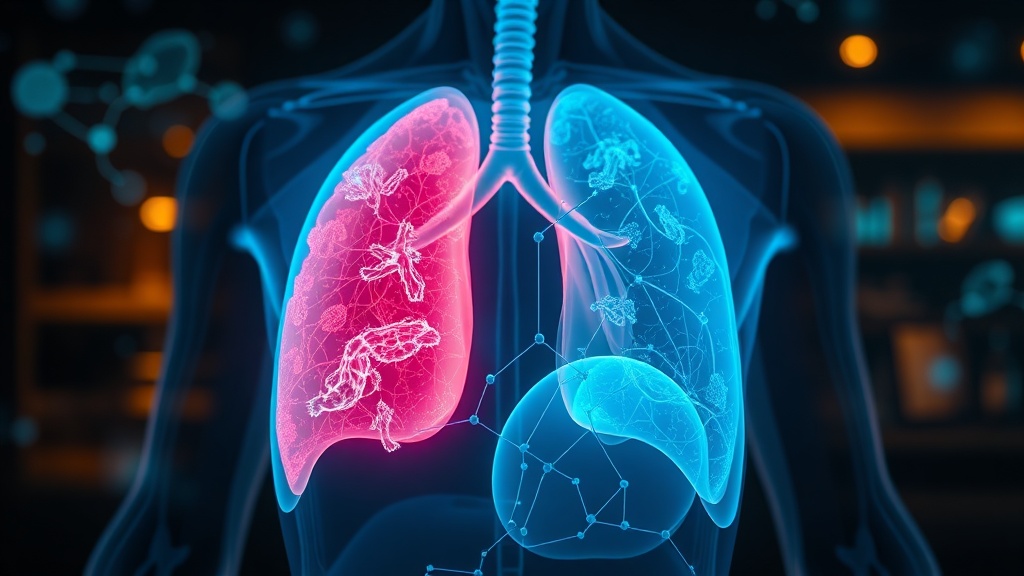
Your gut moves — or it doesn't. And when it doesn't, the cascade of downstream effects reaches far beyond discomfort. Slow transit constipation (STC) is not a minor inconvenience; it's a systems-level failure of colonic motility that affects roughly 15% of the global population, disproportionately hitting older adults and women. The thing about STC is that most pharmaceutical interventions — stimulant laxatives, prosecretory agents — treat the symptom while ignoring the ecosystem collapse underneath.
What makes this new research from Fan et al. worth paying attention to is the mechanistic specificity. We're not talking about vague "probiotic benefits." This team mapped a direct line from L. acidophilus supplementation to serotonin synthesis regulation via two distinct molecular targets — TPH1 and the mechanosensitive ion channel Piezo1. That's a level of pathway clarity we rarely get in probiotic research. For anyone optimizing gut-brain axis performance, this data adds a genuinely new piece to the puzzle.
THE SCIENCE#
Serotonin Is a Gut Molecule First#
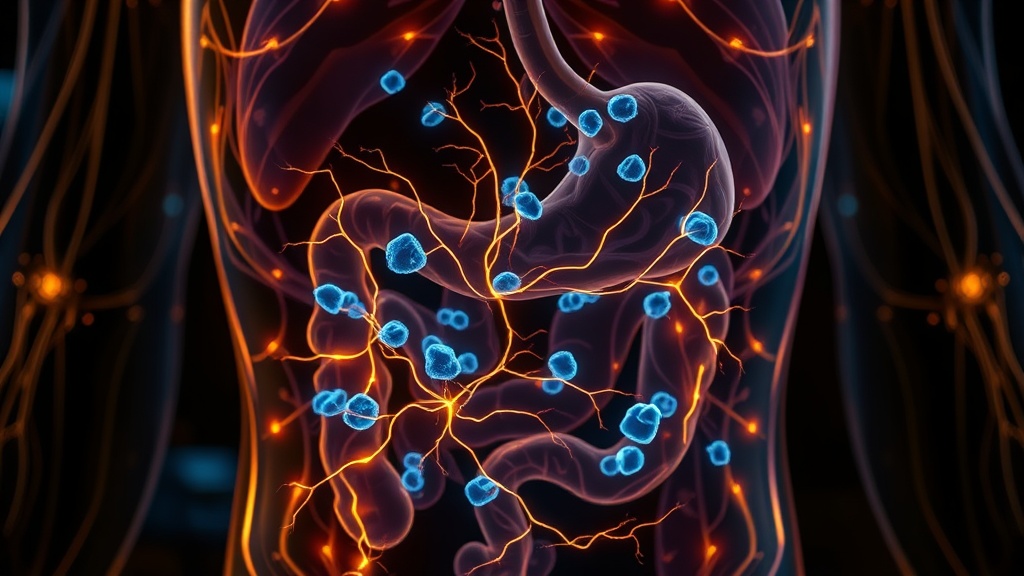
Before I get into the study itself, let me clear up a persistent misunderstanding. Most people associate serotonin (5-HT) with mood regulation in the brain. The reality: approximately 90-95% of the body's serotonin is produced in the gut by enterochromaffin (EC) cells[3]. This gut-derived 5-HT is the primary driver of intestinal peristalsis — the rhythmic contractions that push contents through your colon. When 5-HT synthesis or signaling breaks down, transit slows. That's the core pathophysiology of STC.
The enzyme responsible for peripheral serotonin production is tryptophan hydroxylase 1 (TPH1). It's the rate-limiting step. If TPH1 expression drops, 5-HT output drops, and your colon essentially forgets how to move efficiently.
What Fan et al. Actually Did#
The team at Shanxi Bethune Hospital constructed a humanized mouse model — not a standard lab-induced constipation model, but one created by transplanting fecal bacterial suspensions from actual STC patients into mice via intragastric administration on alternate days[1]. This matters. A humanized model carries the dysbiotic microbial profile of real patients, which makes the findings more translatable than your typical loperamide-induced constipation model.
After establishing the STC phenotype, they administered L. acidophilus and tracked multiple endpoints: defecation frequency, intestinal transit rate, colon histopathology (H&E staining), barrier protein expression (Occludin), inflammatory cytokines (TNF-α, IL-1β), and — critically — the 5-HT signaling cascade.
The TPH1-Piezo1 Axis: A New Mechanistic Finding#
Here's where this study distinguishes itself from the broader probiotic-for-constipation literature. Fan et al. demonstrated that L. acidophilus upregulated both TPH1 expression and the mechanosensitive ion channel Piezo1 in both in vivo and in vitro experiments[1].
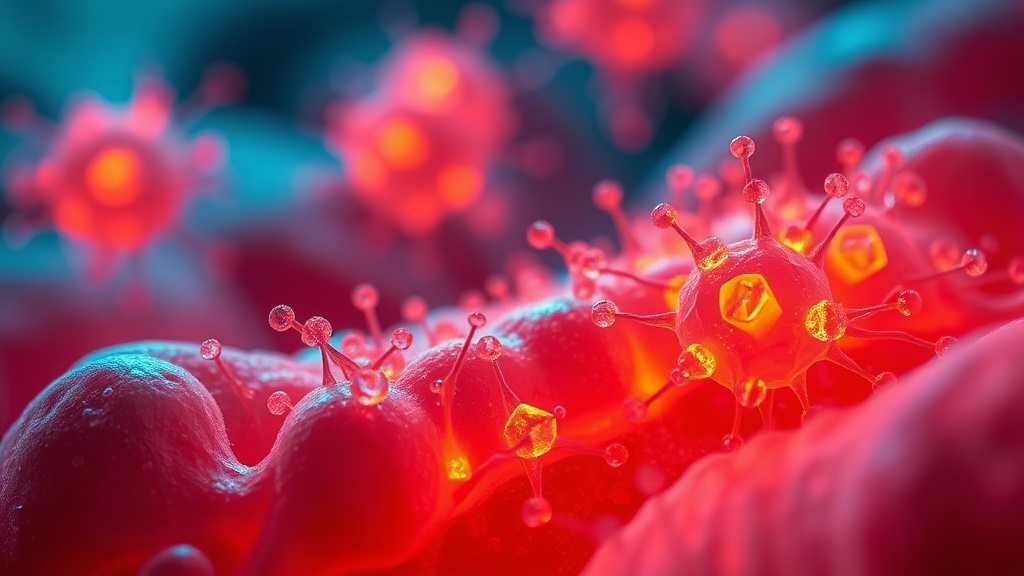
Piezo1 is the interesting part. This is a mechanically activated cation channel that responds to physical stretch and pressure in the gut wall. When Piezo1 fires, it triggers calcium influx into EC cells, which stimulates 5-HT release. So the proposed cascade looks like this: L. acidophilus colonization → Piezo1 upregulation → enhanced mechanosensitivity of EC cells → increased 5-HT synthesis via TPH1 → restored intestinal peristalsis.
I'll be honest — the Piezo1 connection in the context of probiotic-driven motility recovery is something I haven't seen clearly demonstrated before this paper. It bridges microbial ecosystem modulation with a specific ion channel mechanism, which is the kind of mechanistic depth that separates signal from noise in probiotic research.
Barrier Integrity and Inflammatory Suppression#
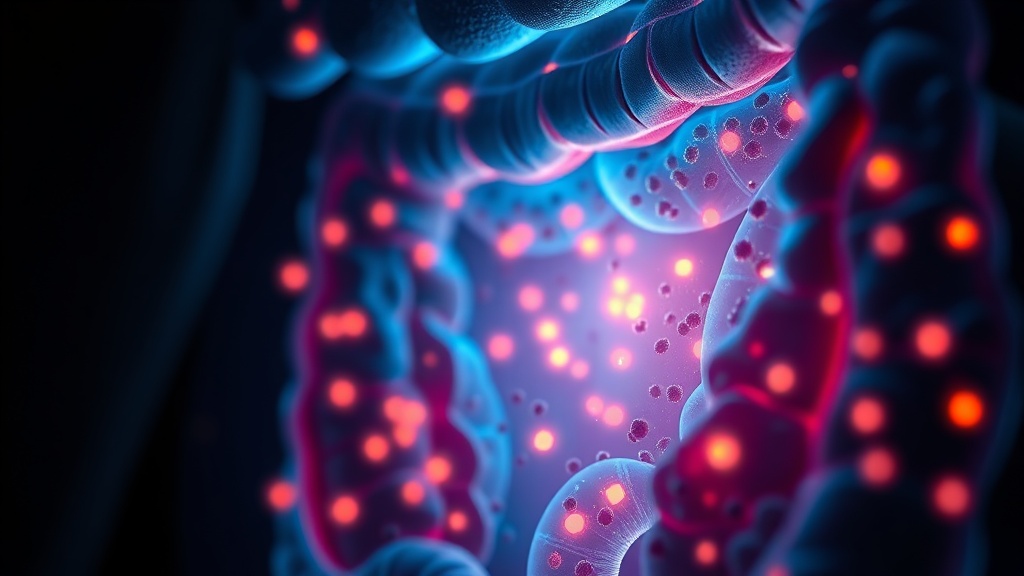
Beyond the 5-HT pathway, L. acidophilus treatment significantly upregulated Occludin — a tight junction protein essential for intestinal barrier integrity[1]. Simultaneously, the probiotic suppressed TNF-α and IL-1β, two pro-inflammatory cytokines consistently elevated in STC tissue samples.
The thing about intestinal inflammation in constipation is that it's often dismissed as secondary. But the Yang et al. review in Frontiers in Microbiology makes a compelling case that the gut microbiota–SCFA–motility axis directly links dysbiosis to barrier dysfunction to impaired transit[2]. It's not secondary — it's part of the same cascade. The inflammatory environment damages enteric neurons, disrupts interstitial cells of Cajal (the gut's pacemaker cells), and further impairs smooth muscle contractility.
Microbial Ecosystem Remodeling#
Fan et al. used metagenomic sequencing to track community-level changes and found that L. acidophilus reshaped the intestinal microbial composition[1]. They didn't control for baseline diversity in the humanized model to the degree I'd want — this is a limitation — but the directional shifts are consistent with what Liao et al. (2024) reported in their rat study examining L. acidophilus/L. johnsonii ratios in STC[6].
That earlier study is worth noting: the loperamide-induced STC group showed an elevated L. acidophilus to L. johnsonii ratio, while antibiotic-treated rats that didn't develop STC had a reduced ratio[6]. This complicates the narrative. It suggests the ratio of Lactobacillus species matters more than any single species' abundance — a classic ecosystem-level dynamic that single-strain studies often miss.
The SCFA Connection#
The broader context here is the short-chain fatty acid (SCFA) signaling axis. Yang et al.'s 2025 review synthesized evidence showing that acetate, propionate, and butyrate — produced by gut bacteria during fiber fermentation — modulate motility through FFAR2 and FFAR3 receptors, serotonergic signaling, and enteric nervous system pathways[2]. L. acidophilus likely contributes to this SCFA pool, though Fan et al. didn't directly measure SCFA output — another gap I'd flag.
COMPARISON TABLE#
| Method | Mechanism | Evidence Level | Cost | Accessibility |
|---|---|---|---|---|
| L. acidophilus (single strain) | TPH1/Piezo1 → 5-HT synthesis; barrier repair; microbiome remodeling | Preclinical (humanized mouse model + in vitro) | Low (~$10-25/month) | OTC supplement, widely available |
| Golden Bifid (3-strain combo: B. longum, L. bulgaricus, S. thermophilus) | MAPK + serotonin signaling pathways; gut microbiota restoration | Preclinical (loperamide mouse model) | Low-Moderate (~$15-30/month) | Prescription in some markets, OTC in others |
| Psyllium husk (soluble fiber) | Bulk-forming; SCFA production; mechanical stimulation | Strong (multiple human RCTs, meta-analyses) | Very Low (~$5-15/month) | OTC, universally available |
| Prucalopride (5-HT4 agonist drug) | Direct 5-HT4 receptor activation → enhanced colonic motility | Strong (Phase III RCTs) | High (~$200-400/month without insurance) | Prescription only |
| Fecal Microbiota Transplant (FMT) | Full ecosystem transfer; restores community diversity and SCFA production | Moderate (emerging RCTs, variable outcomes) | Very High (~$1,000-10,000/procedure) | Clinical setting only, limited availability |
Global Chronic Constipation Prevalence and Treatment Gaps
THE PROTOCOL#
Based on the current preclinical evidence — and I want to stress that these are preclinical findings, not validated human dosing protocols — here's a reasonable approach if you choose to trial L. acidophilus supplementation for sluggish transit:
Step 1: Establish Baseline Track your bowel frequency, stool consistency (Bristol Stool Scale), and transit time for 7 days before starting. Without a baseline, you won't know if anything actually changed. Use a simple app or paper log.
Step 2: Select a Quality L. acidophilus Supplement Look for a single-strain or L. acidophilus-dominant product with a minimum of 10 billion CFU per dose. Third-party testing (USP, NSF, or ConsumerLab verified) is non-negotiable. Your gut doesn't care about your supplement brand — it cares about whether the bacteria are alive when they arrive.
Step 3: Dosing and Timing Take 10-20 billion CFU of L. acidophilus daily, ideally 30 minutes before breakfast. Morning dosing on a relatively empty stomach may improve survival through gastric acid. Some practitioners suggest taking with a small amount of prebiotic fiber (5g psyllium or inulin) to support colonization.
Step 4: Support the Ecosystem L. acidophilus doesn't work in isolation. Pair supplementation with dietary SCFA precursors: 25-35g of mixed fiber daily (emphasizing soluble sources like psyllium, oats, and cooked legumes). Include 2-3 servings of naturally fermented foods (kefir, sauerkraut, kimchi) weekly. Magnesium-rich mineral water (>100mg/L Mg²⁺) may provide additional osmotic and motility support[5].
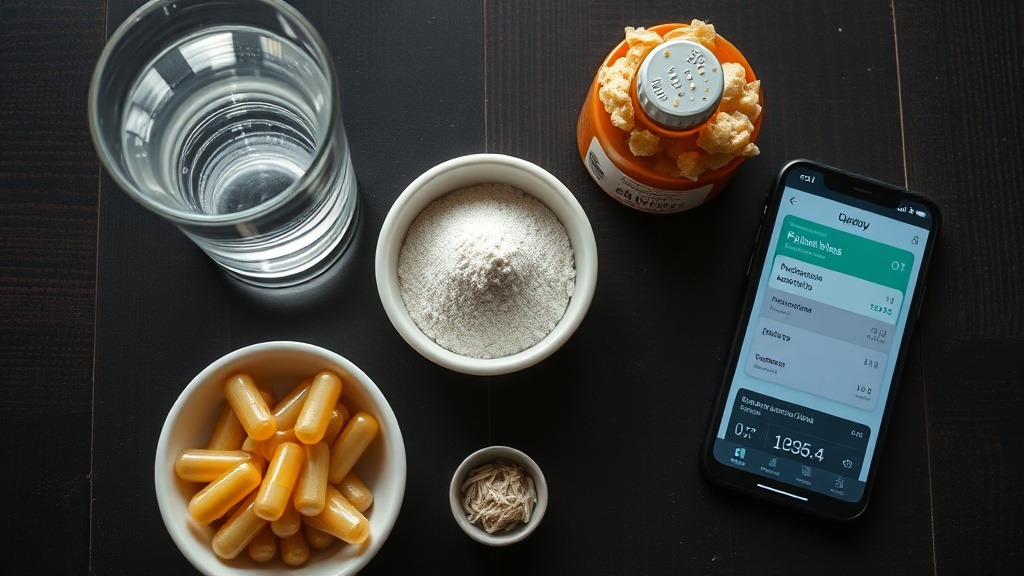
Step 5: Track for 4-6 Weeks Probiotic ecosystem effects don't appear overnight. Commit to a minimum 4-week trial before evaluating. Compare your data to baseline. Key metrics: stool frequency (target: ≥3 complete evacuations per week), Bristol Scale improvement toward Type 3-4, and subjective bloating/discomfort reduction.
Step 6: Reassess and Iterate If no improvement after 6 weeks, consider rotating to a multi-strain formulation (such as combinations including B. longum and S. thermophilus, as studied by Li et al.[4]) or consulting a gastroenterologist for motility testing. Not every microbiome responds to the same intervention — this is where the precision-medicine framework that Yang et al. advocate becomes relevant[2].
Related Video
VERDICT#
Score: 6.5/10
The Fan et al. study offers genuinely novel mechanistic insight — the TPH1-Piezo1 connection is specific, testable, and advances our understanding of how a single probiotic strain might restore serotonergic motility signaling. The humanized mouse model is a meaningful step above standard loperamide models. But here's where I pump the brakes: this is entirely preclinical. No human trial data. No dosing validation in people. The metagenomic analysis, while directionally interesting, didn't adequately control for baseline microbial diversity in the humanized model. I'd want to see this replicated in a randomized, placebo-controlled human trial with at least 50 participants before changing anyone's protocol. The science is promising, the mechanism is plausible, but we genuinely don't know enough to make strong recommendations here — and anyone who tells you otherwise is selling something.
Frequently Asked Questions4
References
- 1.Fan Y, Qin H, Liu J, Abbas M, Yang C, Cheng H, Dong X. Lactobacillus acidophilus alleviates slow transit constipation by modulating 5-HT pathway and gut microbial composition. Frontiers in Nutrition (2026). ↩
- 2.Yang XF, Liang L, Song BB, Song XM, Yang YJ, Liu SH, Alhoot MA. Regulatory mechanisms of the gut microbiota-short chain fatty acids signaling axis in slow transit constipation and progress in multi-target interventions. Frontiers in Microbiology (2025). ↩
- 3.Song X, Wen Y, Wang G, Zhang S. Chronic constipation and the brain-gut-microbiome axis: the role of 5-HT signaling and Traditional Chinese Medicine in pathophysiology and treatment. Frontiers in Medicine (2026). ↩
- 4.Li P, Yang G, Liu S, Wu Y, Zhao P, Fang W, Ren Y, Liu Y, Li K, Li Q, Liu L, Chen Y, Cheng Y, Zhang X, Liu Q, Hu L, Chen Z, Ke X, Shen A. Therapeutic effects of three-strain probiotic combination on slow transit constipation: mechanistic insights into MAPK signaling pathway and gut microbiota restoration. Frontiers in Pharmacology (2025). ↩
- 5.De Amicis N, Ribichini E, Scalese G, Mocci C, Severi C. Dietary strategies for chronic constipation: smartly targeting hormonal and reflex pathways for optimal recovery. Frontiers in Pharmacology (2026). ↩
- 6.Liao Y, Wang Y, Huang W, Wang J, Guo M, Zhang J, Zheng H, Yan Y, Lin Z, Qiu N, Yu X, Yu Y. L. acidophilus/L. johnsonii ratio affects slow transit constipation in rats. Scientific Reports (2024). ↩
Dax Miyori
Dax is comfortable with complexity and slightly impatient with people who want clean answers about the microbiome. He writes in systems terms and will point out when a study ignored confounding microbial variables: 'They didn't control for baseline diversity, which makes the result almost uninterpretable.' He uses 'ecosystem' and 'cascade' frequently — not as jargon, but because they're accurate.
View all articles →