Multi-Strain Probiotics Reduce Frailty in Osteoarthritis via Gut Repair

THE PROTOHUMAN PERSPECTIVE#
The thing about osteoarthritis research is that everyone keeps staring at the joint while the real signal might be coming from the gut. This trial from Karim et al. shifts the lens in a direction that matters for anyone thinking about long-term physical resilience — not just cartilage, but the entire ecosystem connecting intestinal permeability, systemic inflammation, and the slow cascade toward frailty.
For the performance-optimization crowd, this is a wake-up call. Frailty isn't just an old-person problem. It's the endpoint of a degradation curve that starts decades earlier — and if that curve is partly driven by a leaky gut dumping inflammatory signals into the bloodstream, then intestinal barrier integrity becomes a legitimate performance variable. Not a supplement trend. Not a wellness meme. A measurable, modifiable target.
What makes this trial particularly relevant is that it connects a microbial intervention to hard functional outcomes: handgrip strength, gait speed, walking-related pain. These aren't subjective diary entries. They're the metrics that predict independence, fall risk, and ultimately, healthspan.
THE SCIENCE#
Gut Permeability as the Hidden Driver of OA-Related Decline#
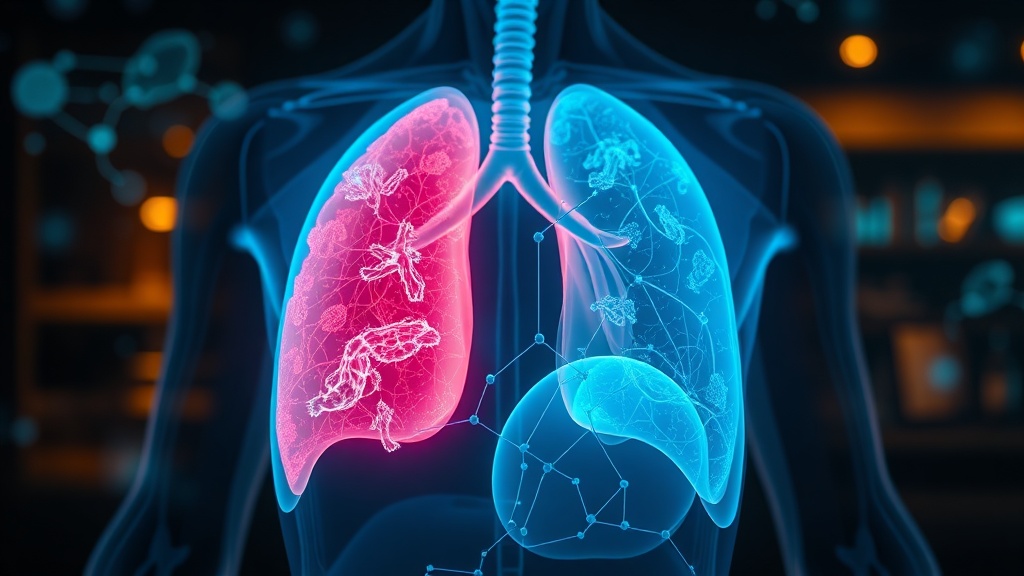
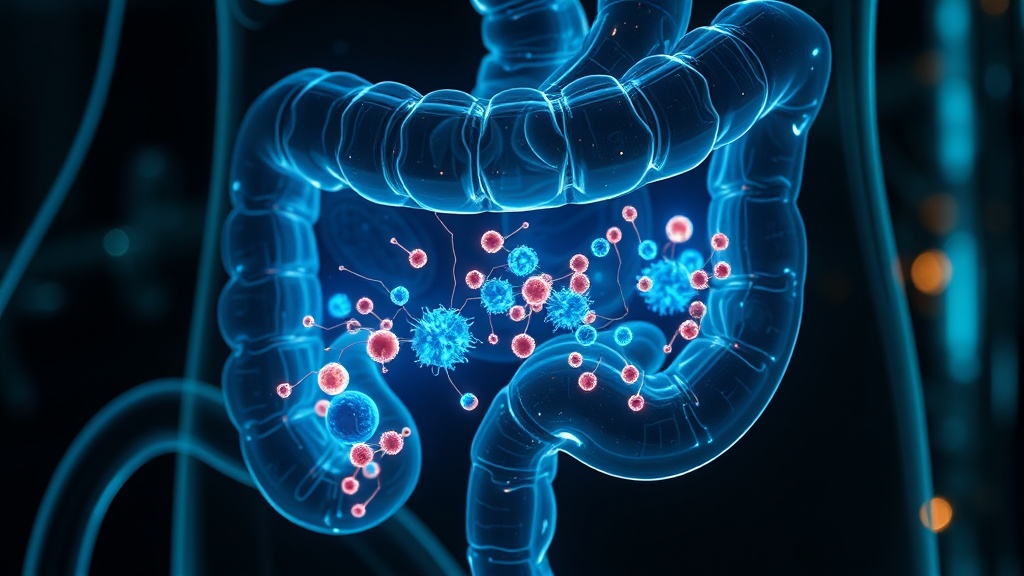
Osteoarthritis affects over 500 million people globally, and the standard model has always focused on mechanical wear, cartilage degradation, and local inflammation[1]. But a growing body of evidence implicates the gut-joint axis — the idea that increased intestinal permeability allows bacterial endotoxins and pro-inflammatory cytokines to enter systemic circulation, fueling low-grade chronic inflammation that accelerates joint degradation and physical decline[3].
Plasma zonulin is the key biomarker here. Zonulin is a protein that modulates tight junctions between intestinal epithelial cells. Elevated zonulin means those junctions are loosening — the gut is leaking. And that leak doesn't just cause digestive symptoms. It triggers an inflammatory cascade that reaches skeletal muscle, connective tissue, and potentially the central nervous system pathways governing balance and coordination.
The 2026 trial by Karim et al., published in the European Journal of Clinical Nutrition, tested whether repairing this leak with a specific multi-strain probiotic could reverse frailty in OA patients — a population where frailty prevalence is disproportionately high[1].
Trial Design and Key Findings#
This was a double-blind, 14-week randomized controlled trial involving 110 OA patients aged 45–70. The intervention group (n=54) received daily Vivomix capsules containing 112 billion CFUs across eight bacterial strains. The control group (n=56) received placebo. After dropout, 103 participants completed the study[1].
The results were significant across multiple endpoints:
- Frailty scores (Fried's criteria) decreased meaningfully in the probiotic group
- Plasma zonulin dropped, indicating improved intestinal barrier function
- Handgrip strength and gait speed improved — both are validated predictors of all-cause mortality in aging populations
- Walking-related pain and Oxford Knee Score (disease severity) improved
- No significant changes were observed in range of motion, pain at rest, or 8-isoprostanes (an oxidative stress marker)
That last point is worth pausing on. The fact that 8-isoprostanes didn't budge suggests the mechanism here isn't primarily antioxidant. It's barrier repair. The probiotics appear to be tightening the gut wall, reducing systemic inflammatory load, and that downstream effect is what's driving the functional improvements.
The Zonulin-Frailty Correlation#
Here's where I find the data most compelling — and also where I want to push back slightly. The correlation between plasma zonulin and frailty was stronger in the probiotic group after 14 weeks (r²=0.273, p<0.05) than in the placebo group (r²=0.073, p=0.048) or at baseline (r²=0.058, p=0.014)[1].
This suggests that as zonulin decreases, frailty tracks with it more tightly. The interpretation is that probiotics sensitize or reveal the gut-frailty axis — once you repair the barrier, changes in permeability become more predictive of physical function.
But here's my skepticism: these r² values are still low in absolute terms. An r² of 0.273 means zonulin explains about 27% of the variance in frailty. That leaves 73% unexplained. The relationship is real, but the gut isn't the whole story. Anyone who tells you fixing leaky gut will cure osteoarthritis is selling something.

Convergent Evidence from Prior Trials#
This isn't an isolated finding. Karim et al. have built a consistent body of work here. Their 2024 trial in the British Journal of Nutrition (n=147, 12-week duration, same Vivomix formulation) demonstrated that multi-strain probiotics reduced postural imbalance in OA patients — again mediated through zonulin reduction[2]. A subsequent 2025 trial in the European Journal of Nutrition (n=115, 16 weeks) confirmed improvements in functional performance, including gait speed, handgrip strength, and Short Physical Performance Battery scores[3].
Three trials. Same research group. Same probiotic. Consistent direction of effect. That's encouraging, but it's also a limitation I'll flag: we need independent replication from different labs, different populations, and ideally different multi-strain formulations to know whether this is a Vivomix-specific effect or a generalizable principle.
The broader literature supports the plausibility. A systematic review by Ramezani Ahmadi et al. (2020) found that probiotic and synbiotic supplementation significantly reduced serum zonulin levels across multiple conditions[4]. And a 2026 review in Osteoporosis International confirmed that probiotic interventions show emerging potential for improving muscle mass and function in aging populations, though clinical evidence remains limited[5].
Zonulin-Frailty Correlation Strength (r²) Across Groups
COMPARISON TABLE#
| Method | Mechanism | Evidence Level | Cost (Monthly) | Accessibility |
|---|---|---|---|---|
| Multi-strain probiotics (Vivomix 112B CFU) | Intestinal barrier repair via zonulin reduction; downstream inflammation reduction | 3 RCTs (same group), n=103–147 | $40–60 | Prescription in some countries, OTC in others |
| NSAIDs (Ibuprofen/Naproxen) | COX inhibition, local anti-inflammatory | Extensive RCT evidence, meta-analyses | $5–15 | OTC, widely available |
| Glucosamine/Chondroitin | Cartilage substrate supplementation | Mixed; large trials show minimal benefit vs. placebo | $15–30 | OTC supplement |
| Physical therapy/Exercise | Joint loading, muscle strengthening, proprioception | Strong RCT evidence for function and pain | $50–200 (varies) | Requires practitioner access |
| Single-strain probiotics (e.g., L. casei Shirota) | Partial microbiome modulation | Limited; one small RCT in OA | $15–25 | OTC supplement |
| Prebiotic fiber (oligofructose-enriched inulin) | Selective growth of SCFA-producing bacteria | One RCT in OA with obesity; 6-month duration | $10–20 | OTC supplement |
THE PROTOCOL#
Based on the trial evidence from Karim et al., here is a structured protocol for individuals with osteoarthritis interested in trialing multi-strain probiotic supplementation. This is based on current evidence and should not replace standard medical care.
-
Select the specific formulation tested. The trials used Vivomix (marketed as VSL#3 in some regions), containing 112 billion CFUs from eight bacterial strains including Lactobacillus acidophilus, L. plantarum, L. paracasei, L. delbrueckii subsp. bulgaricus, Bifidobacterium longum, B. breve, B. infantis, and Streptococcus thermophilus. Your gut doesn't care about your supplement brand — but it does care about strain specificity. The evidence applies to this formulation, not to generic "probiotic" capsules from the vitamin aisle.
-
Dosage: one capsule daily (112 billion CFUs). All three trials used this dose. There is no evidence that higher doses produce better outcomes, and megadosing probiotics without data is a fast way to create GI distress for no measurable benefit. Take with or without food — the trials did not specify timing relative to meals.
-
Duration: commit to a minimum 12–14 week trial. The shortest trial showing significant effects was 12 weeks. Don't expect results at week 3. Microbial ecosystem remodeling takes time, and the downstream effects on intestinal permeability and systemic inflammation are not instantaneous. If you see no functional improvement by week 16, the intervention may not be effective for you.
-
Track functional outcomes, not feelings. Measure what the trials measured: handgrip strength (cheap dynamometer, ~$25), timed gait speed over 4 meters, and walking-related pain on a 0–10 visual analog scale. Record baseline values before starting. Repeat every 4 weeks. Subjective "gut feelings" are not data.

-
Maintain baseline diet and activity levels during the trial period. The trials controlled for this, and you should too. If you simultaneously change your diet, start exercising, or add three other supplements, you won't know what's actually working. Isolate the variable.
-
Consider requesting a plasma zonulin test from your physician at baseline and at week 14 if you want to track the mechanistic pathway. This is optional and may not be covered by insurance, but it provides objective data on whether your intestinal barrier is actually responding. Standard lab cost: approximately $50–100 out of pocket.
-
Discontinue if adverse effects occur. The trials reported no significant adverse events, but individual responses to high-dose multi-strain probiotics vary. Persistent bloating, diarrhea, or abdominal pain beyond the first 7–10 days warrants stopping the intervention.
Related Video
What is the gut-joint axis and how does it relate to osteoarthritis?#
The gut-joint axis refers to the bidirectional communication between intestinal microbiota and joint health. When the intestinal barrier weakens — measured by elevated zonulin levels — inflammatory molecules leak into the bloodstream and may accelerate joint degradation and muscle wasting. Karim et al.'s trials suggest that repairing this barrier with multi-strain probiotics can improve physical function in OA patients, though the exact causal chain is still being mapped[1].
How does Vivomix differ from standard over-the-counter probiotics?#
Vivomix contains eight specific bacterial strains at a dose of 112 billion CFUs per capsule — significantly higher than most commercial probiotics, which typically contain 1–30 billion CFUs. The formulation has been tested in multiple clinical trials for conditions ranging from inflammatory bowel disease to osteoarthritis. Most OTC probiotics have not been tested at this dose or with this strain combination, so results cannot be assumed to transfer.
Why did oxidative stress markers not change in the trial?#
The trial found no significant change in 8-isoprostanes, a marker of oxidative stress, despite improvements in other outcomes. This suggests the primary mechanism of action is intestinal barrier repair and inflammation reduction rather than direct antioxidant activity. It also means that oxidative damage in OA may require separate interventions — probiotics aren't addressing every pathway simultaneously[1].
Who should consider this protocol?#
Based on the trial population, this protocol is most relevant for adults aged 45–75 with diagnosed knee osteoarthritis who experience frailty symptoms (reduced grip strength, slow gait, fatigue). It has not been tested in younger populations, non-knee OA, or individuals without existing joint pathology. If you're healthy and just want better gut health, this trial doesn't apply to you.
When might we see independent replication of these results?#
Honestly, we don't know yet. All three key trials come from the same research group (Karim, Khan, Ahmad, Qaisar). Independent replication from different labs and populations is essential before these findings can be considered established. I'd estimate 2–3 years before we see adequately powered confirmatory trials from other institutions, given typical clinical trial timelines.
VERDICT#
Score: 7/10
This is a well-designed RCT with a plausible mechanism, consistent results across three related trials, and meaningful functional outcomes. The gut-permeability angle is genuinely interesting and represents an underexplored therapeutic target in OA management. But I can't ignore the limitations: all trials come from the same research group, sample sizes are modest (n=103 analyzed here), the zonulin-frailty correlations explain only a quarter of the variance, and the findings are explicitly limited to one proprietary formulation. The evidence is promising enough to trial individually, but not strong enough to prescribe universally. I'd want independent replication before moving this above a 7.
References
- 1.Karim A, Khan HA, Ahmad F, Qaisar R. The effect of multi-strain probiotics on frailty in osteoarthritis patients: a randomized trial focusing on intestinal leak repair. European Journal of Clinical Nutrition (2026). ↩
- 2.Karim A, Khan HA, Iqbal MS, Ahmad F, Qaisar R. Probiotics' supplementation alleviates disease severity and improves postural balance by repairing intestinal leak in patients suffering from osteoarthritis: a double-blinded clinical trial. British Journal of Nutrition (2024). ↩
- 3.Karim A, Khan HA, Ahmad F, Qaisar R. Probiotics improve functional performance in patients with osteoarthritis: a randomized placebo-controlled clinical trial. European Journal of Nutrition (2025). ↩
- 4.Ramezani Ahmadi A, Sadeghian M, Alipour M, Ahmadi Taheri S, Rahmani S, Abbasnezhad A. The effects of probiotic/synbiotic on serum level of zonulin as a biomarker of intestinal permeability: a systematic review and meta-analysis. Iranian Journal of Public Health (2020). ↩
- 5.Author(s) not listed. Impact of probiotic, prebiotic, and synbiotic supplementation on the gut microbiome in older adults with sarcopenia, obesity, and sarcopenic obesity. Osteoporosis International (2026). ↩
Dax Miyori
Dax is comfortable with complexity and slightly impatient with people who want clean answers about the microbiome. He writes in systems terms and will point out when a study ignored confounding microbial variables: 'They didn't control for baseline diversity, which makes the result almost uninterpretable.' He uses 'ecosystem' and 'cascade' frequently — not as jargon, but because they're accurate.
View all articles →