Gut Microbiome Multi-Omics in Bipolar Depression: Diagnosis Breakthrough

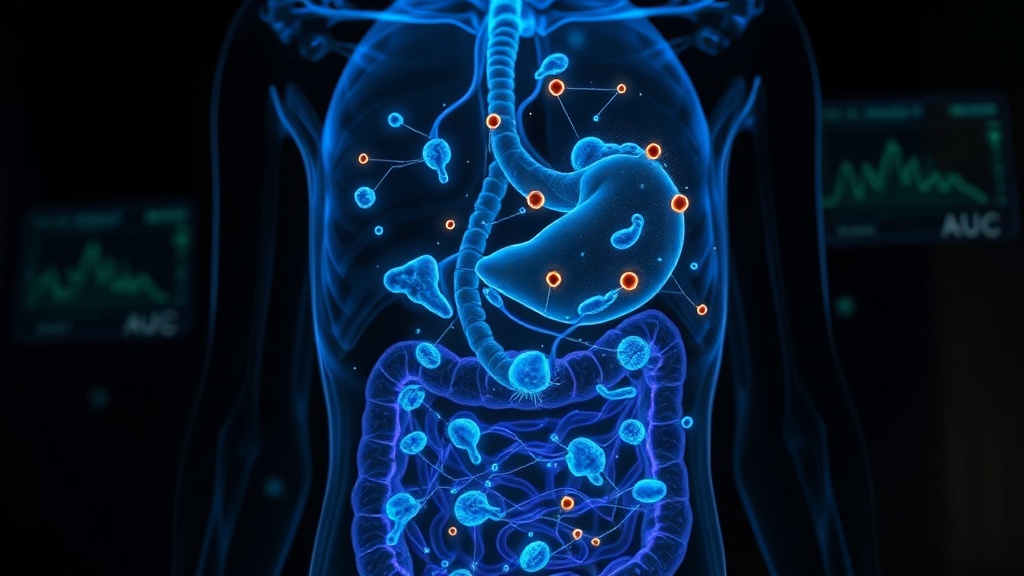
SNIPPET: A multi-omics study of 90 drug-free bipolar depression patients revealed a dysregulated bacteriome-virome-metabolome network, with 249 bacterial and 7 viral species significantly altered. A random forest model combining all three omics layers achieved 98.6% diagnostic accuracy (AUC = 0.986), vastly outperforming any single-omics approach for bipolar disorder identification.
THE PROTOHUMAN PERSPECTIVE#
The thing about bipolar disorder is that we've been looking at it almost exclusively through the lens of neurotransmitter imbalance for decades — and we've been missing the ecosystem underneath. This new research from the CLASS-BD cohort doesn't just add another data point to the microbiome-mood connection. It maps, for the first time, the tripartite interplay between gut bacteria, gut viruses, and circulating blood metabolites in drug-free bipolar depression patients.
Why does this matter for human performance optimization? Because mood stability is the bedrock of cognitive performance, decision-making, and long-term healthspan. If bipolar depression has a legible microbial-metabolic signature detectable with 98.6% accuracy, we're no longer guessing — we're reading the body's own diagnostic output. For anyone tracking their biology to optimize function, this is the kind of upstream signal that changes the entire conversation. The gut isn't just reflecting brain state. It's actively shaping it, through cascades we're only now beginning to quantify.
THE SCIENCE#
A Dysregulated Ecosystem, Not a Single Broken Pathway#
Multi-omics analysis refers to the simultaneous study of multiple biological data layers — in this case, the gut bacteriome (bacterial species), virome (viral species), and serum metabolome (circulating metabolites). This approach matters because bipolar disorder affects approximately 2% of the global population and remains notoriously difficult to diagnose accurately, with an average delay of 5–10 years from onset to correct diagnosis[1]. The new study by Li, Lai, and colleagues, published in npj Mental Health Research in March 2026, achieved a combined diagnostic AUC of 0.986 — a figure that should make any clinician pay attention[1]. The research is already being cited alongside parallel work from multiple Chinese and European cohorts investigating the microbiota-gut-brain axis (MGBA) in mood disorders.
The study enrolled 90 drug-free patients with bipolar depression and 30 healthy controls as part of the Chinese Longitudinal and Systematic Study of Bipolar Disorder (CLASS-BD). The drug-free criterion is critical here — it eliminates the confound of medication-induced microbiome shifts, which has plagued earlier research. Fecal DNA was extracted and subjected to metagenomic sequencing, while serum metabolomic profiling was performed using liquid chromatography-mass spectrometry (LC-MS).
The Bacterial Layer: 249 Species That Survived Correction#
Non-parametric testing initially flagged 1,929 bacterial species with significant inter-group differences. After false discovery rate (FDR) correction — which is the statistical threshold that separates noise from signal — 249 bacterial species remained significant (P_adjusted < 0.05)[1]. That's a substantial number. It suggests this isn't a single-taxon story like "you need more Lactobacillus." The entire microbial ecosystem is restructured.
Previous work has consistently implicated taxa like Eggerthella and Lachnoclostridium in bipolar disorder[6], and the broader pattern here aligns: the gut bacterial α-diversity was significantly different between patients and controls. But what this study adds is the sheer scale of disruption across the community. The ecosystem isn't just tweaked — it's remodeled.
The Viral Layer: The Overlooked Player#
Here's where it gets genuinely interesting, and where I'd push back slightly on the study's own framing. Only 7 viral species survived FDR correction out of 134 initially flagged[1]. The researchers frame this as evidence of viral involvement, and technically it is. But let me be honest: seven species after correction, from a virome we still poorly characterize, is thin. The virus-to-bacterium ratio in the human gut ranges from 1:1 to 10:1[1], meaning we're looking at an enormous dark matter of phages and eukaryotic viruses that current metagenomic pipelines still struggle to annotate.
Only eight significant viral-metabolic correlations were detected across the entire dataset. Compare that to the dense bacterial-metabolite correlation network, and the virome starts looking less like a co-equal partner and more like a supporting actor whose lines we can barely hear. I'd want to see deeper virome-specific sequencing — not just what falls out of shotgun metagenomics — before making strong claims about viral involvement.
The Metabolome: Where the Clinical Signal Lives#
Metabolomic analysis identified 261 significantly differential serum metabolites, enriched across 70 biological pathways — 40 of which remained significant after FDR correction[1]. This is where the clinical relevance concentrates. Post-FDR significant correlations with clinical features were exclusively observed between differential metabolites and disease severity scores, with a predominance of negative correlations. In other words, as certain metabolites decreased, symptom severity increased.
This finding echoes the Mendelian randomization work by Qianhao, Jinwen, and colleagues, which confirmed 35 causal metabolites in depression, highlighting glycine/serine/threonine metabolism and one-carbon folate cycle disruptions as core dysregulated pathways[5]. The convergence is telling: serine deficiency, phosphoserine accumulation, elevated cysteine (likely a compensatory oxidative stress response), and disrupted purine metabolism pointing to mitochondrial dysfunction — specifically impaired mitochondrial ATP synthesis[5].
The cascade here matters. Disrupted microbial ecosystems alter short-chain fatty acid (SCFA) production, which modulates intestinal barrier integrity. A leaky gut permits bacterial metabolites into systemic circulation, triggering neuroimmune pathways that affect tryptophan metabolism, GABA signaling, and dopamine transmission. The mouse model work by Lai and colleagues demonstrated exactly this: fecal microbiota transplantation from bipolar depression patients into mice produced decreased dendritic spine density in medial prefrontal neurons and reduced dopamine connectivity in the VTA-mPFC pathway[3].
The Diagnostic Model: Layers Beat Silos#
The random forest classifier results are the headline, and they deserve the attention:
Diagnostic AUC by Omics Layer
The metabolome alone gets you 97% accuracy. Adding bacteria bumps it further. The virome contributes marginally. This hierarchy is important for practical biomarker development — serum metabolomics is far easier to scale clinically than fecal metagenomics.
The parallel metaproteomic work by Zhao, Yang, and colleagues in adolescents with bipolar depression identified host proteins CELA2A, DEFA3, and KLK1 as potential biomarkers, achieving ROC-AUC values of 0.905, 0.897, and 0.897 respectively[2]. Different omics layer, similar diagnostic power. The field is converging on gut-derived biomarkers from multiple angles.
COMPARISON TABLE#
| Method | Mechanism | Evidence Level | Cost | Accessibility |
|---|---|---|---|---|
| Triple-omics panel (bacteriome + virome + metabolome) | Integrated multi-layer microbial and metabolic profiling | Single cross-sectional study, n=120, AUC 0.986 | High (~$1,500–3,000 per patient) | Research-only; requires metagenomic sequencing + LC-MS |
| Serum metabolomics alone | Circulating metabolite profiling via LC-MS | Multiple studies, AUC 0.970 in this cohort | Moderate (~$300–800) | Available at specialized labs |
| Fecal metaproteomics (CELA2A/DEFA3/KLK1) | Host protein biomarkers from stool | Single study, n=73 adolescents, AUC 0.905 | Moderate (~$400–900) | Research-only |
| 16S rRNA gut microbiome profiling | Bacterial taxonomy from stool | Multiple studies, variable AUC (0.70–0.85) | Low (~$100–250) | Consumer and clinical labs available |
| Standard clinical diagnosis (DSM-5) | Symptom-based psychiatric evaluation | Gold standard but avg. 5–10 year diagnostic delay | Low (consult fees) | Widely available |
THE PROTOCOL#
For those interested in gut-brain axis optimization based on current evidence, here's what the data suggests — framed honestly. We genuinely don't know enough to make strong therapeutic recommendations specific to bipolar disorder from microbiome data alone. Anyone who tells you otherwise is selling something. That said, the following steps are supported by the broader literature and align with the mechanistic findings.
Step 1: Establish Your Microbial Baseline Get a comprehensive stool analysis from a clinical-grade lab that uses shotgun metagenomic sequencing (not just 16S rRNA). Look for overall α-diversity scores and the presence of taxa implicated in mood disorders — Eggerthella, Alistipes, Megasphaera. This isn't diagnostic, but it gives you a starting ecosystem map.
Step 2: Address SCFA Production Through Dietary Fiber Diversity The metabolomic data consistently points to disrupted SCFA pathways. Increase prebiotic fiber diversity — not just quantity. Aim for 30+ different plant species per week, which has been associated with greater microbial diversity in multiple cohorts. Focus on resistant starch (cooled potatoes, green bananas), inulin-rich foods (chicory, garlic, onions), and pectin sources (apples, citrus peel).
Step 3: Support One-Carbon Metabolism The Mendelian randomization data from Qianhao et al. identified serine deficiency and disrupted glycine/serine/threonine metabolism as core pathways[5]. Consider methylated B vitamins — methylfolate (400–800 mcg), methylcobalamin (1000 mcg), and P-5-P (pyridoxal-5-phosphate, 25–50 mg) — to support one-carbon folate cycle integrity. These are not bipolar-specific treatments but address the metabolic disruption the data highlights.
Step 4: Manage Oxidative Stress Upstream Elevated cysteine in depressed patients appears to reflect compensatory oxidative stress responses[5]. N-acetylcysteine (NAC) at 1,000–2,000 mg/day has existing evidence in bipolar disorder adjunct therapy and aligns with the metabolomic pattern. This is one of the few supplements where bipolar-specific trial data exists, though optimal dosing in this specific context is not yet established.

Step 5: Track Metabolic Markers Over Time If you have access to serum metabolomic testing, request panels that include amino acid profiles (serine, glycine, cysteine ratios), SCFA metabolites, and tryptophan pathway metabolites. Repeat every 3–6 months. The bipolar depression data shows metabolites correlated negatively with disease severity — tracking these gives you a functional readout of gut-brain axis status.
Step 6: Do Not Self-Prescribe Fecal Microbiota Transplantation The mouse model data showing FMT from bipolar patients induced depression-like behavior is mechanistically important[3] but does not mean FMT is a viable therapy. The direction of transplant matters, the donor screening is critical, and we have zero human RCT data for FMT in bipolar disorder. This is a research tool, not a protocol step.
Related Video
VERDICT#
Score: 8.2/10
This is the most complete multi-omics mapping of the gut-brain axis in bipolar depression I've seen — and the diagnostic accuracy of the combined model is genuinely striking. The drug-free cohort design eliminates the most common confound in psychiatric microbiome research. The metabolomic layer carries most of the clinical signal, which is good news for eventual translation since blood tests scale better than fecal metagenomics.
The catch, though. It's cross-sectional, which means we can't determine causality. The sample size of 120 is respectable but not large. The virome analysis, while novel, feels underpowered — seven species after correction doesn't build a strong case for viral involvement. And the FDR-corrected bacterial species count (249) is so large that identifying which taxa actually drive pathology versus which are bystanders will require longitudinal work.
I'd want to see this replicated in an independent cohort before it changes clinical practice. But as a biomarker discovery study, it sets a high bar. Your gut doesn't care about your psychiatric diagnosis — but the data suggests it already knows about it.
Frequently Asked Questions5
References
- 1.Li Z, Lai J. A multi-omics analysis of gut bacteriome, virome, and serum metabolome in bipolar depression. npj Mental Health Research (2026). ↩
- 2.Zhao Z, Yang F, Tan Y. Fecal metaproteomics reveals alterations in gut microbiota and intestinal proteins in adolescents with bipolar depression. Translational Psychiatry (2026). ↩
- 3.Lai J. Gut microbiota modulates synaptic plasticity, connectivity, and dopamine transmission in the VTA-mPFC pathway in bipolar depression. Molecular Psychiatry (2025). ↩
- 4.Hernández-Cacho A, García-Gavilán JF. Multi-omics approach identifies gut microbiota variations associated with depression. npj Biofilms and Microbiomes (2025). ↩
- 5.Qianhao W, Jinwen Z, Jingjie M. Multi-omics investigation of metabolic dysregulation in depression: integrating metabolomics, weighted gene co-expression network analysis, and mendelian randomization. Frontiers in Psychiatry (2025). ↩
- 6.Tang A, Chen Y, Ding J. Gut microbiota remodeling and sensory-emotional functional disruption in adolescents with bipolar depression. Journal of Translational Medicine (2025). ↩
Dax Miyori
Dax is comfortable with complexity and slightly impatient with people who want clean answers about the microbiome. He writes in systems terms and will point out when a study ignored confounding microbial variables: 'They didn't control for baseline diversity, which makes the result almost uninterpretable.' He uses 'ecosystem' and 'cascade' frequently — not as jargon, but because they're accurate.
View all articles →