F. prausnitzii Gut-Liver Axis Therapy for MASLD: New Evidence

THE PROTOHUMAN PERSPECTIVE#
The thing about Faecalibacterium prausnitzii is that it sits at a crossroads most people don't even know exists — the intersection between your gut ecosystem, your liver's metabolic machinery, and your body's inflammatory set point. MASLD now affects roughly 25% of adults globally, and the pharmaceutical pipeline has been sluggish at best. What makes this research worth paying attention to isn't just that a single bacterial species might protect the liver. It's that we're starting to see convergent evidence from multiple research groups — across liver disease, neurodegeneration, and carbohydrate metabolism — that F. prausnitzii depletion is a systemic signal of metabolic dysfunction, not merely a bystander. If this holds up in human trials, we're looking at a next-generation probiotic that could shift how we approach metabolic liver disease from the gut outward. For the biohacking community, this is an ecosystem-level intervention, not a pill. And that distinction matters enormously.
THE SCIENCE#
What Is Faecalibacterium prausnitzii and Why Does It Matter?#
Faecalibacterium prausnitzii is the single most abundant commensal bacterium in the healthy human colon, representing 5–15% of the total gut bacterial population[3]. It is the dominant butyrate producer in the human intestinal tract — butyrate being the short-chain fatty acid (SCFA) that fuels colonocytes, strengthens intestinal barrier integrity, and modulates immune responses through Treg cell differentiation. A reduction in F. prausnitzii abundance has been linked to higher risk of intestinal, neurological, and cardiovascular diseases, as well as type 2 diabetes[3].
MASLD — formerly called NAFLD — affects approximately 25% of the global adult population and is tightly coupled to obesity, insulin resistance, and systemic inflammation[6]. The gut-liver axis, the bidirectional communication network between intestinal microbiota and hepatic metabolism, has become a focal point. When this axis breaks down — through dysbiosis, SCFA deficiency, or endotoxin-mediated inflammatory cascades via the TLR4/NF-κB pathway — hepatic lipid deposition accelerates[6].
Here's where it gets complicated.
The Chen et al. Study: A 17.5% Liver Index Reduction#
The headline finding from Chen et al. (2026) is striking on the surface[1]. Using the F. prausnitzii ATCC 27766 strain in a mouse model, the team demonstrated a 17.5% reduction in liver index (p < 0.05) compared to untreated controls. The study also confirmed what several groups have previously reported: in individuals with obesity, MASLD, and type 2 diabetes, the abundance of F. prausnitzii is significantly reduced.
The researchers used a Mendelian randomization approach alongside animal experiments to probe causality — a smart methodological choice that moves beyond simple correlation. They identified specific metabolites and host genes related to F. prausnitzii function, positioning the ATCC 27766 strain as a candidate "next-generation probiotic" with anti-inflammatory and metabolic regulatory properties[1].
But let me push back on that framing. The study is in mice. The strain-specificity issue is real. And the fact that another 2026 publication from a different group found contradictory results in a similar model should give us pause.
The Münte et al. Contradiction#
This is the part that most write-ups on F. prausnitzii will skip, and it's precisely the part that matters most. Münte et al. (2025) specifically evaluated F. prausnitzii supplementation in diet-induced steatohepatitis in mice and found that it did not improve outcomes, despite confirming that F. prausnitzii abundance is associated with MASLD severity in human cohorts[4].
Let that sit for a moment. The bacterium correlates with disease severity. Its supplementation in the same disease model doesn't fix the problem. That's not a failure of the hypothesis — it's a signal that strain selection, dosing protocol, and the baseline microbial ecosystem all matter. Chen et al. used ATCC 27766. Münte et al. likely used a different strain or dosing context. Your gut doesn't care about your supplement brand — it cares about what actually colonizes.
Strain Diversity: The UT1 Discovery#
Geng et al. (2025) isolated a novel F. prausnitzii strain called UT1, belonging to the most prevalent but underappreciated phylogenetic clade (clade A) in the global human population[3]. This is important because most animal studies have used the A2-165 strain (clade C), which may not represent what's actually dominant in most human guts.
Oral administration of UT1 in C57BL/6 mice resulted in profound microbial compositional changes: significant enrichment of Lactobacillus, Bifidobacterium, and Turicibacter[3]. Functional metagenomics revealed a markedly higher abundance of carbohydrate-active enzymes (CAZymes), meaning the UT1-conditioned microbiota had enhanced capacity for starch utilization. The cascade effect extended further — UT1 reduced the abundance of mucin-degrading enzymes and microbes, which correlated with reduced fecal mucin glycan degradation[3].
The implication for MASLD? A healthier carbohydrate metabolism ecosystem in the gut may reduce the substrate availability for hepatic de novo lipogenesis. But — and I want to be clear — that's an inference, not a demonstrated outcome in this study.
Beyond the Liver: The Parkinson's Connection#
Moiseyenko et al. (2026) published in npj Parkinson's Disease what may be the most striking demonstration of F. prausnitzii's systemic reach[2]. In Thy1-ASO mice (an α-synuclein overexpression model of Parkinson's disease), oral treatment with F. prausnitzii alone was sufficient to correct gut microbiome deviations, induce anti-inflammatory immune responses, reduce α-synuclein aggregates in the brain, and ameliorate both motor and gastrointestinal deficits[2].
This isn't a liver study. But it tells us something critical about the mechanism: F. prausnitzii appears to operate through systemic anti-inflammatory pathways and gut barrier reinforcement that extend far beyond any single organ. The autophagy pathways and mitochondrial efficiency implications here are speculative but worth tracking — butyrate is a known HDAC inhibitor, and HDAC inhibition has documented effects on mitochondrial biogenesis and NAD+ metabolism.
F. prausnitzii Abundance Reduction in Metabolic Conditions
COMPARISON TABLE#
| Method | Mechanism | Evidence Level | Cost | Accessibility |
|---|---|---|---|---|
| F. prausnitzii supplementation (ATCC 27766) | Butyrate production, anti-inflammatory signaling, gut barrier repair | Preclinical (mouse models); one study showing 17.5% liver index reduction | Low–moderate (not yet commercially available as standardized probiotic) | Very limited — research-grade only |
| Fecal Microbiota Transplantation (FMT) | Full ecosystem replacement; restores Firmicutes/Bacteroidetes balance | Preclinical + limited human data for NAFLD | High ($1,000–$10,000 per procedure) | Restricted to clinical settings |
| Conventional probiotics (Bifidobacterium, Lactobacillus) | Partial microbiome modulation, mild SCFA production | Moderate (multiple small human trials) | Low ($15–$50/month) | Widely available OTC |
| Resistant starch prebiotics | Enriches butyrate-producing bacteria, reduces hepatic lipid deposition | Moderate (human + animal data) | Very low ($5–$20/month) | Widely available |
| Mediterranean diet | Microbiota remodeling, reduced fructose-driven liver damage | Strong (multiple human RCTs) | Variable | Universally accessible |
| Resmetirom (pharmacological) | THR-β agonist; direct hepatic fat reduction | Strong (FDA-approved for MASH) | High ($1,500+/month) | Prescription only |
THE PROTOCOL#
Based on current preclinical evidence, here's how to approach F. prausnitzii ecosystem support. I want to be direct: you cannot yet buy a validated F. prausnitzii supplement. This bacterium is an obligate anaerobe — it dies in oxygen. So this protocol is about creating the conditions for its natural proliferation.
Step 1: Establish baseline gut microbiome status. Get a metagenomic stool test (providers like Biomesight, Thorne, or clinical labs offering shotgun metagenomics). Look specifically for Faecalibacterium relative abundance. If it's below 5%, you have room for targeted intervention.
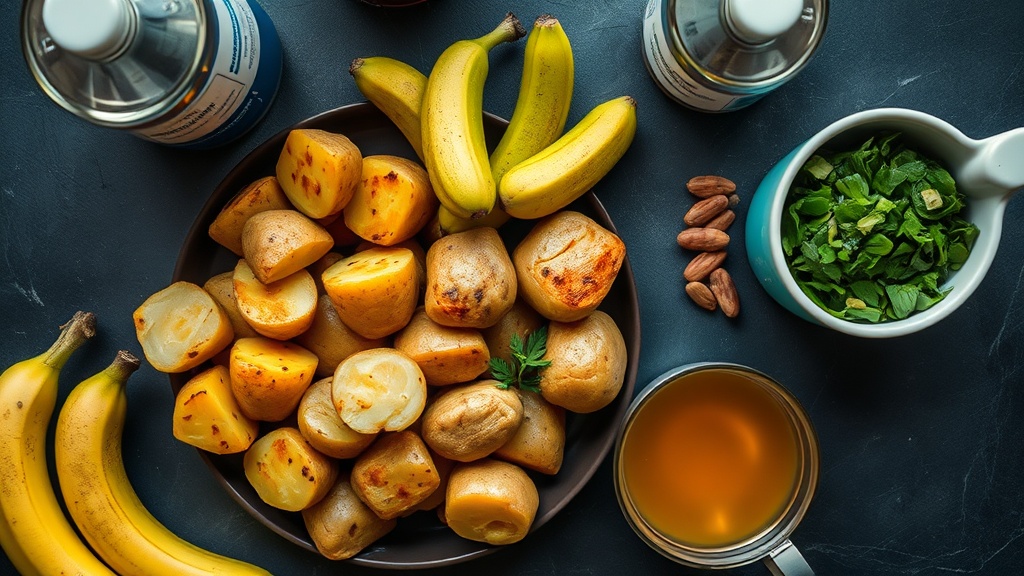
Step 2: Increase dietary resistant starch intake to 15–30g daily. Cooked-then-cooled potatoes, green bananas, legumes, and oats are primary sources. Resistant starch is the preferred substrate for F. prausnitzii and other butyrate producers. Start at 10g and increase gradually over two weeks to avoid GI distress.
Step 3: Supplement with sodium butyrate (300–600mg, 2x daily with meals) as a bridging strategy. This doesn't replace F. prausnitzii colonization, but it provides the metabolite your colonocytes need while you rebuild the ecosystem. Tributyrin formulations may offer better bioavailability.
Step 4: Adopt a modified Mediterranean dietary pattern — high in polyphenols, fermented foods, and dietary fiber (>30g/day). Restrict fructose to <25g daily. Yang et al. (2025) documented that restricted fructose intake combined with Mediterranean-style eating reduced liver damage through microbiota-mediated mechanisms[6].
Step 5: Eliminate unnecessary broad-spectrum antibiotic exposure. F. prausnitzii is highly sensitive to antibiotics. If antibiotic treatment is medically necessary, follow with an aggressive prebiotic refeeding protocol (Steps 2–4) for at least 8 weeks post-course.
Step 6: Retest your microbiome at 90 days. Compare Faecalibacterium abundance against baseline. If no improvement despite dietary changes, consider discussing FMT candidacy with a gastroenterologist — though I'd want to see this replicated in human MASLD trials before recommending FMT specifically for liver outcomes.
Step 7: Monitor liver function markers quarterly. Track ALT, AST, GGT, and if accessible, FibroScan or liver MRI-PDFF for direct fat quantification. These are your proximal readouts for whether the gut-liver axis intervention is translating to hepatic benefit.
Related Video
What is Faecalibacterium prausnitzii and why is it important for liver health?#
F. prausnitzii is the most abundant commensal bacterium in the healthy human colon, comprising 5–15% of total gut bacteria. It's the primary butyrate producer in the gut, and butyrate directly strengthens the intestinal barrier that separates gut-derived endotoxins from the liver via portal circulation. When F. prausnitzii levels drop — as they consistently do in MASLD, obesity, and type 2 diabetes — the gut-liver axis degrades, and hepatic inflammation accelerates.
How does F. prausnitzii differ from standard probiotics like Lactobacillus?#
Standard probiotics are aerotolerant and easy to manufacture but produce relatively modest amounts of butyrate. F. prausnitzii is an obligate anaerobe — it cannot survive in oxygen — which makes it far more difficult to formulate as a supplement but far more potent as a butyrate source. It also appears to have direct anti-inflammatory properties beyond SCFA production, including a 15-kDa protein with documented immunomodulatory effects[3]. The ecosystem-level effects are different: F. prausnitzii restructures the wider microbial community, not just adds to it.
Why did one study show F. prausnitzii helps MASLD while another showed no benefit?#
This is the honest answer: strain matters, and we don't fully understand the strain-function relationship yet. Chen et al. used ATCC 27766 and saw a 17.5% liver index reduction[1]. Münte et al. used a different experimental context and found no improvement[4]. At least five phylogenetic clades of F. prausnitzii exist, and their functional properties appear to diverge meaningfully. Anyone who tells you "just take F. prausnitzii" without specifying the strain is selling something.
When will F. prausnitzii be available as a commercial probiotic?#
Several biotech companies are working on encapsulation and anaerobic delivery technologies, but as of 2026, no commercially validated F. prausnitzii product exists for consumer use. The technical challenge is keeping an obligate anaerobe viable through manufacturing, storage, and gastric transit. I'd estimate we're 3–5 years from a reliable consumer product, though clinical-grade formulations may arrive sooner for targeted conditions.
How can I naturally increase my F. prausnitzii levels?#
Resistant starch is the most evidence-supported dietary substrate. Cooked-and-cooled starches, green bananas, and legumes provide the fermentable carbohydrates that F. prausnitzii preferentially metabolizes. High dietary fiber intake (>30g/day), polyphenol-rich foods, and avoidance of unnecessary antibiotics create the ecological conditions for F. prausnitzii to thrive. Geng et al. demonstrated that even a single strain introduction can cascade into enrichment of multiple beneficial genera including Lactobacillus and Bifidobacterium[3].
VERDICT#
Score: 6.5/10
The signal is real but the evidence is immature. F. prausnitzii depletion in MASLD is one of the most replicated findings in gut-liver axis research, and the mechanistic story — butyrate production, barrier integrity, anti-inflammatory signaling — is coherent. Chen et al.'s 17.5% liver index reduction is genuinely promising. But the Münte et al. contradiction is not trivial, and every data point we have is from mice. We genuinely don't know enough about strain specificity, optimal dosing, or colonization durability in humans to make strong clinical recommendations. The dietary protocol — resistant starch, Mediterranean pattern, fructose restriction — is safe and well-supported independently of F. prausnitzii research. I'd follow this field closely but wouldn't overhaul my protocol based on preclinical data alone. The Parkinson's crossover from Moiseyenko et al. is what makes me think there's something deeper here — when the same organism shows protective effects across neurodegeneration and metabolic liver disease, that's an ecosystem-level signal worth tracking.
References
- 1.Chen H, Wang Y, Su W, Liu Y, Li S, Liu Y, Zhou X. Therapeutic modulation of the gut-liver axis with Faecalibacterium prausnitzii in metabolic dysfunction-associated steatohepatitis. BMC Microbiology (2026). ↩
- 2.Moiseyenko A, Antonello G, Schonhoff AM, Boktor JC, Long K, Dirks B, Oguienko AD, Viloria Winnett A, Simpson P, Daeizadeh D, Ismagilov RF, Krajmalnik-Brown R, Segata N, Waldron LD, Mazmanian SK. Faecalibacterium prausnitzii, depleted in the Parkinson's disease microbiome, improves motor deficits in α-synuclein overexpressing mice. npj Parkinson's Disease (2026). ↩
- 3.Geng P, Zhao N, Zhou Y. Faecalibacterium prausnitzii regulates carbohydrate metabolic functions of the gut microbiome in C57BL/6 mice. Gut Microbes (2025). ↩
- 4.Münte E, Viebahn G, Khurana A, Fujiki J, Nakamura T, Lang S. Faecalibacterium prausnitzii Is Associated with Disease Severity in MASLD but Its Supplementation Does Not Improve Diet-Induced Steatohepatitis in Mice. Microorganisms (2025). ↩
- 6.Yang W, Jin Q, Xiao D, Li X, Huang D. Interaction mechanism and intervention strategy between metabolic dysfunction-associated steatotic liver disease and intestinal microbiota. Frontiers in Microbiology (2025). ↩
Dax Miyori
Dax is comfortable with complexity and slightly impatient with people who want clean answers about the microbiome. He writes in systems terms and will point out when a study ignored confounding microbial variables: 'They didn't control for baseline diversity, which makes the result almost uninterpretable.' He uses 'ecosystem' and 'cascade' frequently — not as jargon, but because they're accurate.
View all articles →