Astragaloside IV Gut Microbiota Modulation in Chronic Enteritis

THE PROTOHUMAN PERSPECTIVE#
The thing about chronic gut inflammation is that it's never just a gut problem. It's a systems failure — immune dysregulation, barrier collapse, microbial ecosystem decay, and metabolic cascade disruption all feeding into each other. Over 3 million people across Europe and North America live with inflammatory bowel disease, and conventional treatments mostly just slam the brakes on immune activity without fixing the underlying microbial wreckage.
AS-IV represents something different: a compound that appears to work through the microbiome rather than around it. For anyone interested in long-term gut resilience — and let's be honest, that should be everyone optimizing for healthspan — the shift from "suppress the inflammation" to "rebuild the ecosystem" is the move that matters. This isn't about replacing your gastroenterologist's toolkit. It's about understanding that the microbial terrain determines whether inflammation keeps returning. And this study, published today in Frontiers in Cellular and Infection Microbiology, adds a new layer to that understanding by mapping how AS-IV reshapes bile acid metabolism as a downstream consequence of microbial rebalancing [1].
THE SCIENCE#
What Is Astragaloside IV?#
Astragaloside IV is a cycloartane-type triterpenoid saponin extracted from Astragalus membranaceus — one of the most studied herbs in traditional Chinese medicine. Its importance for human performance lies in its multi-target pharmacological profile: anti-inflammatory, antioxidant, and immunomodulatory activities that converge on gut barrier integrity and microbial homeostasis [1]. Liu et al. (2026) demonstrated that AS-IV significantly reduced disease activity index (DAI) scores in a DSS-induced chronic colitis animal model, encompassing improvements in body weight, bleeding index, and diarrhea index [1]. The compound is already attracting attention from researchers across multiple disease domains, with studies on nephroprotection, osteoporosis, gestational diabetes, and even major depressive disorder all pointing to the gut microbiome as the central mediating axis [2][3][5].
The Microbial Ecosystem Shift#
Here's where I get genuinely interested — and slightly frustrated with how the field has been handling this.
Liu et al. used 16S rRNA sequencing combined with LC-MS metabolomics to map what AS-IV actually does to the microbial community in chronic enteritis [1]. AS-IV modulated gut microbiota diversity, augmented the abundance of beneficial bacteria, and diminished the prevalence of harmful species. That's the headline. But the mechanism matters more than the headline.
In chronic colitis, you get a predictable dysbiosis pattern: loss of short-chain fatty acid (SCFA) producers, expansion of pro-inflammatory taxa, and a shift in immune polarization toward Th1/Th17 responses [1]. AS-IV appears to reverse this cascade — not by directly killing pathogenic bacteria (it's not an antibiotic), but by altering the metabolic environment in a way that favors commensal recolonization. The ecosystem rebuilds itself when the conditions are right. Your gut doesn't care about your supplement brand — it cares about the metabolic niche you create for its residents.
This parallels findings from Han et al. (2025), who showed that AS-IV increased the abundance of Lactobacillus reuteri, Bifidobacterium animalis, Ignatzschineria indica, and Blautia glucerasea in a cyclosporine A-induced nephrotoxicity model [2]. The consistency of Lactobacillus and Bifidobacterium enrichment across completely different disease models is notable — it suggests AS-IV has a preferential ecological effect that isn't disease-specific.
Bile Acid Biosynthesis: The Metabolic Link#
The most novel finding in the Liu et al. study is the integrated omics analysis revealing that AS-IV attenuates disease progression by modulating the biosynthesis of primary bile acids [1].
This is not trivial. Primary bile acids are synthesized in the liver and then transformed by gut bacteria into secondary bile acids. These microbial bile acid metabolites are potent signaling molecules — they activate FXR and TGR5 receptors, regulate autophagy pathways, influence epithelial cell turnover, and directly modulate mucosal immune responses. When the microbial ecosystem is disrupted (as in chronic colitis), bile acid metabolism goes haywire, creating a pro-inflammatory feedback loop.
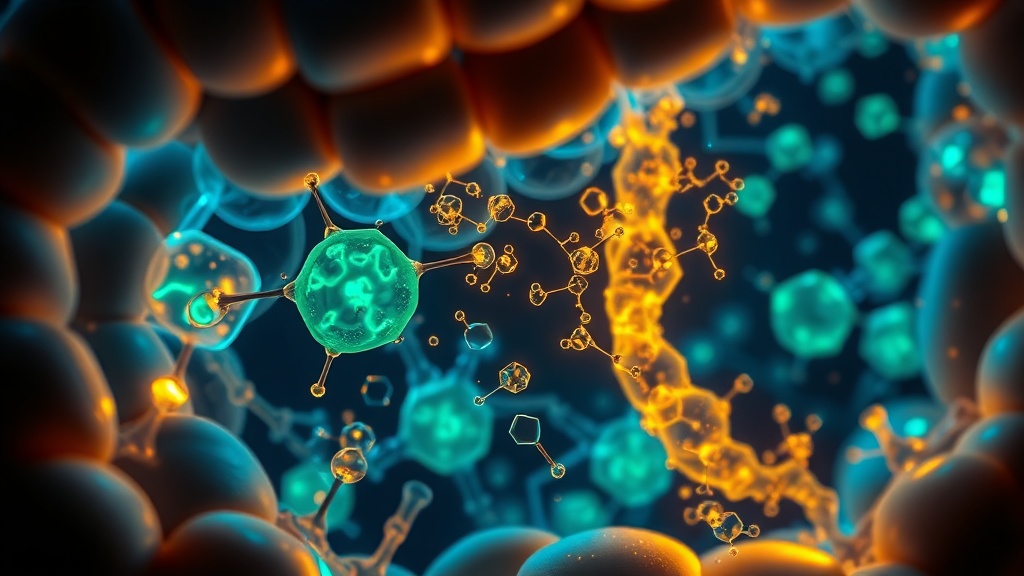
By restoring microbial diversity, AS-IV indirectly normalizes bile acid signaling — which then feeds back to further stabilize the mucosal barrier. It's a virtuous cascade, the opposite of the vicious cycle you see in untreated IBD.
But here's where I need to push back on the data. This is an animal model. DSS-induced colitis in mice, while useful, doesn't fully recapitulate human IBD — the chronicity pattern is different, the immune architecture is different, and critically, the baseline microbiome is different. They didn't report whether they controlled for baseline microbial diversity across treatment groups, which makes the compositional results harder to interpret with full confidence. I'd want to see this replicated in a humanized gnotobiotic model before getting too excited about the bile acid pathway specifically.
Cross-Disease Validation#
What strengthens the overall AS-IV story is convergence across independent studies. Wang et al. (2025) showed AS-IV modulated gut microbiota in ovariectomy-induced osteoporosis, affecting hormone biosynthesis, D-amino acid metabolism, and galactose metabolism pathways — and critically, strengthened intestinal barrier function and decreased gut permeability [3]. Wang et al. (2025) demonstrated similar gut microbiota restructuring in gestational diabetes mellitus, with AS-IV regulating metabolome profiles in GDM rats [5]. And Mi et al. (2025) found that Astragalus polysaccharide (a related compound) increased Bifidobacterium abundance and tryptophan-related metabolites including 5-HTP in MDD patient fecal samples [4].
The pattern is consistent: AS-IV (and related Astragalus compounds) reliably shift the gut ecosystem toward higher diversity, greater commensal abundance, and normalized metabolic output. Whether that translates to meaningful clinical outcomes in humans with chronic enteritis remains unproven — and anyone who tells you otherwise is selling something.
AS-IV Microbiome Modulation Across Disease Models
COMPARISON TABLE#
| Method | Mechanism | Evidence Level | Cost | Accessibility |
|---|---|---|---|---|
| Astragaloside IV | Microbiome remodeling via bile acid pathway modulation, anti-inflammatory, antioxidant | Preclinical (animal models, multiple studies) | Low (~$15-30/month for standardized extracts) | Widely available as supplement |
| 5-ASA (Mesalamine) | Topical anti-inflammatory in colonic mucosa | Strong (multiple human RCTs, FDA-approved) | Moderate (~$50-200/month) | Prescription required |
| Anti-TNF Biologics | TNF-α neutralization, immune suppression | Strong (human RCTs, guideline-recommended) | Very high (~$1,500-5,000/month) | Specialist prescription, infusion centers |
| Fecal Microbiota Transplant | Direct microbiome replacement | Moderate (emerging RCTs for UC) | High (~$500-2,000/procedure) | Limited to specialized centers |
| Butyrate Supplementation | SCFA-mediated barrier support, HDAC inhibition | Low-Moderate (small human trials) | Low (~$10-25/month) | OTC supplement |
THE PROTOCOL#
Based on current preclinical evidence, here is a framework for those interested in exploring Astragalus-based gut support. This is not a replacement for IBD treatment — consult your gastroenterologist before modifying any existing protocol.
-
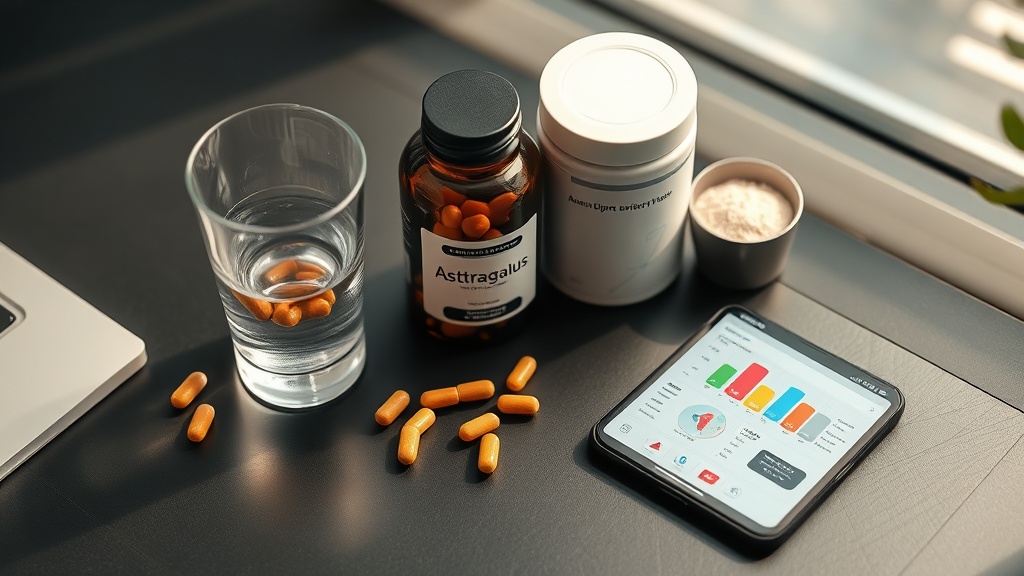
Source a standardized Astragalus extract with verified AS-IV content. Look for products standardized to contain a minimum of 10% astragalosides (with AS-IV specified). Certificate of analysis from a third-party lab is non-negotiable. Typical dosing in animal studies translates roughly to 30–80 mg/kg in mice [3], which in human-equivalent dosing (using FDA body surface area conversion) suggests approximately 200–500 mg of AS-IV per day — though optimal human dosing is not yet established.
-
Time your intake with meals to maximize absorption and reduce gastrointestinal irritation. AS-IV has poor oral bioavailability and limited membrane permeability [3], so taking it with a fat-containing meal may improve uptake. Split dosing (morning and evening with food) is a reasonable approach based on pharmacokinetic principles.
-
Stack with a prebiotic fiber protocol to support the commensal species AS-IV appears to favor. Since AS-IV consistently enriches Bifidobacterium and Lactobacillus populations across studies [1][2][4], providing substrate for these organisms makes logical sense. Consider 5–10g of partially hydrolyzed guar gum or galactooligosaccharides (GOS) daily.
-
Track your response with objective markers. If you have access to a microbiome sequencing service, baseline and 8-week follow-up testing can show whether compositional shifts are occurring. Calprotectin testing (available via most functional medicine labs) provides a proxy for intestinal inflammation.
-
Run a minimum 8–12 week trial before evaluating efficacy. Microbial ecosystem remodeling is slow. Expecting results in two weeks is unrealistic — the cascade from compositional shift to metabolic normalization to mucosal repair takes time.
-
Monitor for adverse effects and discontinue if symptoms worsen. While AS-IV has a favorable safety profile in preclinical data, individual responses vary. Any increase in bloating, diarrhea, or abdominal pain warrants reassessment.
Related Video
What is Astragaloside IV and where does it come from?#
AS-IV is a cycloartane-type triterpenoid saponin — essentially, a specific bioactive compound extracted from the root of Astragalus membranaceus, an herb used in traditional Chinese medicine for centuries. It's one of several active components in Astragalus, but it's arguably the most studied for its anti-inflammatory and microbiome-modulating properties. You can get it through standardized Astragalus extracts, though purity and concentration vary wildly between products.
How does AS-IV differ from conventional IBD medications?#
The fundamental difference is mechanism. Drugs like mesalamine or anti-TNF biologics suppress inflammatory pathways directly — they're putting out the fire. AS-IV, based on preclinical data, appears to work by rebuilding the microbial ecosystem so the fire doesn't keep reigniting [1]. That said, we don't have human RCT data for AS-IV in IBD, so comparing efficacy directly would be premature. I wouldn't swap proven medications for this based on mouse data alone.
Why is bile acid biosynthesis important in chronic enteritis?#
Bile acids aren't just for digesting fats. They're signaling molecules that regulate mucosal immunity, barrier function, and even autophagy pathways in intestinal epithelial cells. When gut bacteria are disrupted, bile acid metabolism shifts — and this contributes to chronic inflammation. Liu et al. (2026) showed AS-IV modulates primary bile acid biosynthesis specifically, which may represent a key mechanism linking microbial recovery to inflammatory resolution [1].
Who should consider supplementing with Astragalus extract?#
Honestly, we don't have enough human data to make strong recommendations. Individuals with mild gut dysbiosis who are looking for adjunctive support — alongside conventional care — might find it worth exploring. But if you have active IBD, this is a conversation with your doctor, not a self-experiment. The preclinical signal is promising across multiple disease models [1][2][3][5], but promising preclinical signals fail to translate to humans more often than not.
When might we see human clinical trials for AS-IV in IBD?#
Given the convergence of preclinical data across at least five independent disease models and the low cost profile of the compound, human trials seem inevitable. But as of today, I'm not aware of registered Phase II or III trials specifically for AS-IV in chronic colitis. The field is immature — which is exactly why this kind of mechanistic data matters. It builds the rationale for the clinical trials that should come next.
VERDICT#
Score: 6.5/10
The mechanistic story is coherent and the cross-disease validation is compelling — AS-IV consistently reshapes the gut microbiome toward higher diversity and greater commensal abundance, and the bile acid biosynthesis finding adds genuine novelty. But this is entirely preclinical. Mouse models, all of them. The lack of human clinical data, combined with AS-IV's known poor oral bioavailability, keeps this firmly in the "promising but unproven" category. I give it a 6.5 because the multi-omics approach is solid, the mechanism makes biological sense, and the compound is cheap and accessible — but I'm not rewriting anyone's gut protocol based on DSS-colitis mice. Not yet.
References
- 1.Liu J, Li S, Yang J, He R, Zhang Y, Xu Y. Modulation of gut microbiota and metabolic profiles by Astragaloside IV in a chronic enteritis model. Frontiers in Cellular and Infection Microbiology (2026). ↩
- 2.Han C, Gao R, Zhou L, Li W. The gut–kidney axis is regulated by astragaloside IV to inhibit cyclosporine A-induced nephrotoxicity. Frontiers in Pharmacology (2025). ↩
- 3.Wang H, Huang Z, Chen G, Li Y, Liu Y, Gu H, Cao Y. Astragaloside IV alleviated bone loss in mice with ovariectomy-induced osteoporosis via modulating gut microbiota and fecal metabolism. Frontiers in Pharmacology (2025). ↩
- 4.Mi Y, Lin C, Zheng H, Wu Y, Hou Y, Hu J, Mao J, Dai N, Li X, Lou Z, Ji Y. Astragalus polysaccharide modulates the gut microbiota and metabolites of patients with major depressive disorder in an in vitro fermentation model: a pilot study. Frontiers in Nutrition (2025). ↩
- 5.Wang F, Zhu Y, Shu H, Zhang X. Astragaloside IV alleviates GDM via regulating gut microbiota and gut microbiota metabolomic. Frontiers in Pharmacology (2024). ↩
- 6.Cui Z, Shang Q. Mechanistic insights into the antitumor effects of astragaloside IV and astragalus polysaccharide in digestive system cancers. Frontiers in Pharmacology (2025). ↩
Dax Miyori
Dax is comfortable with complexity and slightly impatient with people who want clean answers about the microbiome. He writes in systems terms and will point out when a study ignored confounding microbial variables: 'They didn't control for baseline diversity, which makes the result almost uninterpretable.' He uses 'ecosystem' and 'cascade' frequently — not as jargon, but because they're accurate.
View all articles →