Whole-Body Cryotherapy: New Evidence on Anti-Inflammatory Effects

SNIPPET: Whole-body cryotherapy (WBC) significantly reduces the pro-inflammatory cytokine IL-1β (SMD −2.08 pg/mL) while elevating anti-inflammatory IL-10 (SMD +0.78 pg/mL), according to a meta-analysis of 11 RCTs. A March 2026 review in the European Journal of Applied Physiology positions WBC as a legitimate complementary intervention across rheumatology, psychiatry, and neurology — not just sports recovery.
THE PROTOHUMAN PERSPECTIVE#
Cold isn't coming back into medicine. It never left. What's changed is that we finally have pooled data — actual meta-analytic evidence from randomized controlled trials — showing that whole-body cryotherapy shifts the cytokine balance in a direction most biohackers have been chasing with supplements for years. We're talking about measurable suppression of IL-1β, a key driver of systemic inflammation, and a simultaneous boost to IL-10, the body's own anti-inflammatory signal.
This matters because chronic low-grade inflammation is the silent engine behind metabolic disease, neurodegeneration, and accelerated aging. If a 3-minute exposure at −110°C to −130°C can modulate these pathways, the implications for longevity-focused protocols are substantial. The newest review, published just days ago in the European Journal of Applied Physiology, expands the clinical territory beyond sports medicine into rheumatoid arthritis, fibromyalgia, depression, and multiple sclerosis[1]. That's a significant expansion of scope — and it's backed by enough evidence to take seriously.
I've spent time in cryochambers. The science is catching up to what the body already knows.
THE SCIENCE#
Cytokine Modulation: The Core Mechanism#
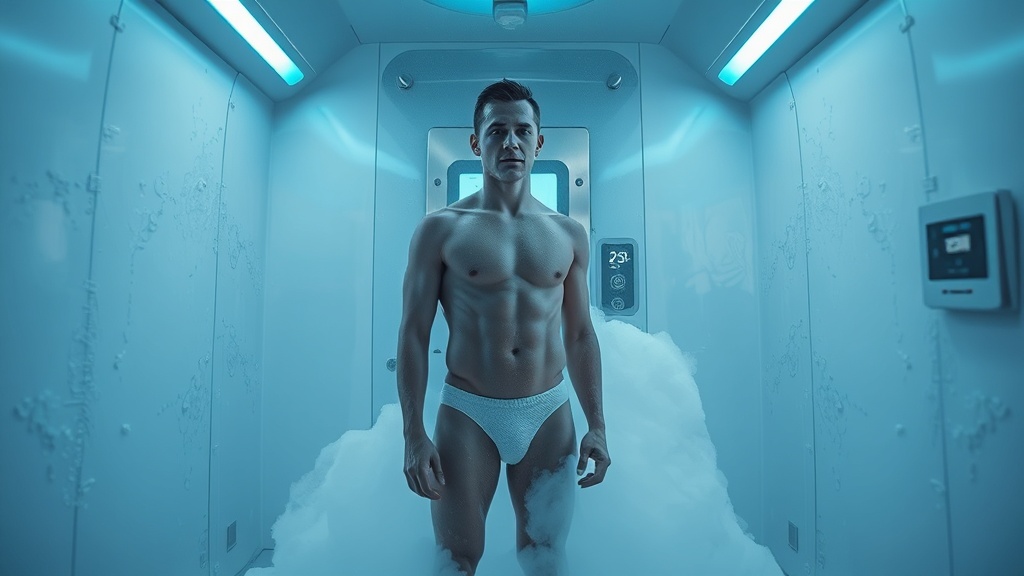
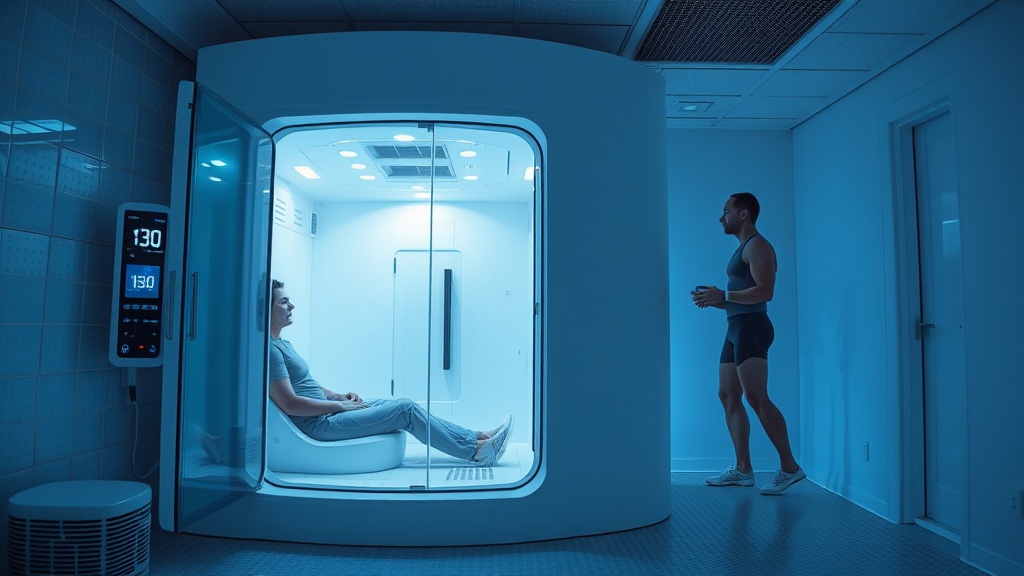
Whole-body cryotherapy is the exposure of the entire body (excluding the head, in most chamber designs) to extreme cold air — typically between −110°C and −140°C — for 2 to 4 minutes. It is not the same as cold water immersion, ice baths, or localized cryotherapy. The mechanism of action centers on rapid peripheral vasoconstriction followed by systemic neuroendocrine and immune responses.
The strongest evidence to date comes from a 2026 meta-analysis published in Scientific Reports by researchers analyzing 11 randomized controlled trials with a total sample of 274 participants[2]. The key findings:
- IL-1β decreased significantly in WBC groups versus controls (SMD = −2.08 pg/mL, P < 0.05). IL-1β is a master pro-inflammatory cytokine — it drives fever response, activates NF-κB signaling, and amplifies downstream inflammatory cascades. Lowering it has direct relevance to autophagy pathways and mitochondrial efficiency, since chronic IL-1β elevation impairs mitophagy.
- IL-10 increased significantly (SMD = +0.78 pg/mL, P < 0.05). IL-10 is the body's primary anti-inflammatory cytokine. Its upregulation signals an active resolution phase of inflammation — not suppression, but orchestrated de-escalation.
Athletes were more likely to benefit from the IL-1β reduction, while obese individuals saw greater IL-10 elevation. That's a finding worth sitting with. It suggests the cytokine response to WBC isn't uniform — it may depend on baseline inflammatory load.
Oxidative Stress and the Exercise Interface#
A crossover study by Jurecka, Woźniak, and Mila-Kierzenkowska examined 32 male professional athletes exposed to −130°C before submaximal exercise (40 minutes at 85% HRmax)[3]. The results showed that catalase activity — a key antioxidant enzyme — was lower after WBC-preceded exercise compared to control exercise. That might sound bad, but it indicates reduced oxidative demand. The body didn't need to mount as aggressive an antioxidant defense because the inflammatory trigger was blunted upstream.
IL-1β was significantly higher after control exercise than after WBC exercise (P < 0.01). IL-6, which plays a dual role as both pro- and anti-inflammatory depending on context, rose after both exercise conditions but from a lower baseline in the WBC group.
Beyond Sports: Rheumatology, Psychiatry, and Neurology#
The catch, though — and I want to be honest about this — is that the March 2026 perspective piece in the European Journal of Applied Physiology is exactly that: a perspective, not a systematic review with pooled effect sizes for each clinical domain[1]. It positions WBC as showing efficacy in rheumatoid arthritis and fibromyalgia, with emerging evidence for depression and multiple sclerosis. The language is appropriately cautious: "appears to exert," "emerging evidence supports."
For rheumatologic conditions, WBC may reduce disease activity scores and functional pain through the same cytokine modulation — dampening IL-1β and TNF-α while supporting regulatory anti-inflammatory cascades. In depression, the proposed mechanism involves norepinephrine release and possible HRV optimization through vagal activation during cold stress.
I'm less convinced by the psychiatric applications at this stage. The studies are small, the protocols vary wildly, and placebo control in cryotherapy is, frankly, almost impossible. You know when you're standing in a −130°C chamber. There's no blinding that.
Cold Acclimation: The Broader Physiological Picture#
Wang et al. (2026) published two complementary reviews — one in Frontiers in Physiology and one in the Journal of Multidisciplinary Healthcare — examining cold acclimation more broadly[4][5]. Their analysis covers cardiovascular adjustments (including increased cardiac output and peripheral vascular tone), metabolic regulation (brown adipose tissue activation, enhanced thermogenesis), and immune modulation.
Cold acclimation appears to enhance athletic performance, promote health, and contribute to disease prevention — but the authors note that systematic evaluation of broader effects remains limited. Most existing research examines physiological and psychological mechanisms in isolation, without integrated assessment.
WBC Effect on Key Inflammatory Cytokines (SMD vs Control)
COMPARISON TABLE#
| Method | Mechanism | Evidence Level | Cost | Accessibility |
|---|---|---|---|---|
| Whole-Body Cryotherapy (WBC) | Extreme cold air (−110 to −140°C) triggers systemic vasoconstriction, cytokine modulation (↓IL-1β, ↑IL-10), norepinephrine release | Meta-analysis of 11 RCTs; perspective reviews | $50–$100/session; packages vary | Specialized clinics; growing availability in urban centers |
| Cold Water Immersion (CWI) | Hydrostatic pressure + cold (10–15°C) reduces edema, lowers muscle temperature, moderate cytokine effects | Multiple RCTs; well-studied for post-exercise recovery | $0–$30 (home setup to facility) | High — bathtub, lake, or commercial tub |
| Localized Cryotherapy | Targeted cold application to specific joint or tissue; reduces local inflammation | Moderate; mostly clinical case series | $20–$50/session | Physiotherapy clinics, some home devices |
| NSAIDs (Ibuprofen, etc.) | COX-1/COX-2 inhibition; systemic anti-inflammatory | Strong (decades of RCT data) | $5–$15/month | Over-the-counter; global |
| Cold Showers | Brief cold water exposure; sympathetic activation, norepinephrine spike | Limited RCT data; mostly observational | $0 | Universal |
THE PROTOCOL#
Based on current evidence — and I want to stress that optimal dosing in humans is not fully established — here's how to approach WBC if you're considering it as a complementary anti-inflammatory strategy.
Step 1: Get medically cleared. WBC is contraindicated in uncontrolled hypertension, cold urticaria, Raynaud's disease, acute cardiovascular events, and pregnancy. The 2026 European Journal review specifically notes that cardiovascular responses must be carefully assessed[1]. Don't skip this.
Step 2: Start with a single session at −110°C for 2 minutes. Most clinical protocols use temperatures between −110°C and −140°C. If you've never been in a cryochamber, 2 minutes at −110°C is your baseline. Not 30 seconds. Not "just dip your toes." Two minutes. The adaptation window doesn't open below that.
Step 3: Progress to 3 minutes at −130°C within your first week. The crossover study by Jurecka et al. used −130°C as the standard exposure, and this is consistent with the majority of RCTs included in the meta-analysis[3]. Three minutes appears to be the sweet spot for cytokine modulation without excessive cold stress.
Step 4: Target 10–20 sessions over 2–4 weeks for cumulative anti-inflammatory effects. Most clinical trials showing significant cytokine changes used repeated exposures. A single session shifts the needle — the Jurecka study showed acute changes — but the rheumatologic and psychiatric literature suggests that accumulated sessions drive the most meaningful clinical outcomes[1].
Step 5: Time WBC before exercise, not after, if your goal is inflammation management. The Jurecka et al. data showed superior cytokine profiles when WBC preceded submaximal exercise[3]. If you're using WBC purely for recovery, post-exercise timing may still apply — but for systemic anti-inflammatory effect, pre-exercise exposure appears more effective.
Step 6: Track your inflammatory markers. Request a high-sensitivity CRP panel and cytokine panel (IL-1β, IL-6, IL-10, TNF-α) before your first session and after your 10th. Without bloodwork, you're guessing. I've seen people swear by cryotherapy based on how they feel. Feelings aren't data.
Step 7: Combine with anti-inflammatory nutrition and sleep optimization. WBC doesn't operate in isolation. NAD+ synthesis, mitochondrial efficiency, and telomere dynamics are all influenced by baseline metabolic health. Cold exposure amplifies a good foundation — it doesn't compensate for a poor one.
Related Video
What is whole-body cryotherapy and how does it differ from an ice bath?#
Whole-body cryotherapy involves standing in a chamber filled with cold air at −110°C to −140°C for 2–4 minutes. Unlike ice baths, WBC uses dry cold (no water contact), which eliminates hydrostatic pressure effects and allows more extreme temperatures without the same tissue-cooling depth. The physiological triggers overlap but aren't identical — WBC appears to produce a more pronounced systemic neuroendocrine response.
Who benefits most from WBC based on current evidence?#
According to the meta-analysis of 11 RCTs, athletes showed the greatest reduction in IL-1β, while obese individuals demonstrated the most significant IL-10 elevation[2]. The European Journal of Applied Physiology review also identifies patients with rheumatoid arthritis, fibromyalgia, depression, and multiple sclerosis as potential beneficiaries — though the evidence in these populations remains preliminary[1].
How many WBC sessions are needed to see measurable anti-inflammatory effects?#
A single session can produce acute cytokine changes, as demonstrated in the Jurecka et al. crossover study[3]. However, most clinical trials showing sustained anti-inflammatory and functional improvements used 10–20 sessions over 2–4 weeks. The honest answer is that the optimal cumulative dose hasn't been standardized — protocol variability across studies is one of the biggest limitations in this field.
Why is WBC considered safe but still requires medical screening?#
WBC is generally well-tolerated in healthy individuals, with cardiovascular responses (transient blood pressure elevation, heart rate changes) that resolve quickly. However, it is contraindicated in conditions like uncontrolled hypertension, cold-sensitive disorders, and acute cardiac events. The 2026 perspective review emphasizes that safety depends entirely on proper screening and controlled application conditions[1].
When should WBC be timed relative to exercise for best results?#
Pre-exercise WBC appears to produce superior anti-inflammatory outcomes based on the Jurecka et al. data, with lower IL-1β levels after WBC-preceded exercise compared to exercise alone[3]. For pure muscle recovery goals, post-exercise timing is more traditional — but if systemic inflammation is your target, the emerging data favors pre-exercise placement.
VERDICT#
7.5/10. The meta-analytic data on cytokine modulation is real — IL-1β down, IL-10 up, statistically significant across 11 RCTs. That's not nothing. But the total sample across all those trials is 274 people. The clinical expansion into psychiatry and neurology is promising but still resting on small, heterogeneous studies with no viable placebo control. I'd want to see larger, multi-center RCTs with standardized protocols before this moves past "complementary intervention" status. The physiology is sound. The evidence base is growing but thin. If you have access and the budget, WBC is a legitimate tool in an anti-inflammatory stack — just don't treat it as a standalone solution. The cold works. We just need better data on exactly how much, for whom, and at what dose.
References
- 1.Author(s) not listed. Cold as a therapeutic frontier: place of whole-body cryotherapy in modern medicine. European Journal of Applied Physiology (2026). ↩
- 2.Author(s) not listed. Whole-body cryotherapy can reduce the inflammatory response in humans: a meta-analysis based on 11 randomized controlled trials. Scientific Reports (2025). ↩
- 3.Jurecka A, Woźniak A, Mila-Kierzenkowska C, Augustyńska B, Oleksy Ł, Stolarczyk A, Gądek A. The Influence of Single Whole-Body Cryostimulation on Cytokine Status and Oxidative Stress Biomarkers during Exhaustive Physical Effort: A Crossover Study. Nicolaus Copernicus University Repository (2025). ↩
- 4.Wang Y, Liu W, Han D, Qiao Y, Sun W, Wang C, Qin X, Xu J. Integrated effects of cold acclimation: physiological mechanisms, psychological adaptations, and potential applications. Frontiers in Physiology (2025). ↩
- 5.Wang Y, Wang Y, Han D, Sun W, Qiao Y, Wang C, Zhang X, Xu J. Clinical Applications and Potential Mechanism of Cold Acclimation Therapy. Journal of Multidisciplinary Healthcare (2025). ↩
Cira Renn
Cira writes with physical conviction — she's done this, she knows what it feels like, and she doesn't pretend otherwise. Her writing has visceral energy: 'Cold water at 10°C isn't a wellness trend. It's a physical confrontation.' She distinguishes between what the research shows and what she's experienced, and she'll tell you when they diverge.
View all articles →