Proteomic Aging Clocks: Blood Protein Biomarkers for Heart-Brain Disease

SNIPPET: A massive UK Biobank study of 53,014 individuals identified 404 circulating proteins linked to cardiac imaging traits and 76 linked to brain imaging traits — with 37 overlapping both organs. Over 90% of these protein biomarkers are entirely novel, never previously established as clinical markers or drug targets, and Mendelian randomization confirmed causal roles for 63% of them in cardiovascular and neuropsychiatric disease.
THE PROTOHUMAN PERSPECTIVE#
Your heart and your brain are not separate systems. They never were. But until now, the molecular conversation between them has been largely invisible to clinical medicine — which is annoying, actually, because we've been measuring cardiac risk and neurological risk in parallel silos for decades.
What this new wave of proteomic research delivers is something different: a shared molecular vocabulary. Proteins circulating in your blood that simultaneously predict cardiac remodeling and neurodegeneration. This matters for anyone optimizing healthspan because it means a single blood draw could eventually map the biological age and disease trajectory of multiple organ systems at once. Not someday-maybe. The data infrastructure is being built right now, validated across populations from the UK, China, and the United States.
For the biohacking community, the signal is clear. The era of single-biomarker optimization — chasing one testosterone level, one CRP reading — is ending. What replaces it is organ-specific proteomic profiling: a fundamentally more granular, more actionable layer of biological intelligence. The question is no longer whether this technology works. It's how fast it reaches your lab order form.
THE SCIENCE#
Mapping the Heart-Brain Protein Axis#
Plasma proteomics is the large-scale measurement of thousands of proteins circulating in your blood — proteins shed by organs, immune cells, and tissues that function as real-time biological signals. The landmark study published in Nature Cardiovascular Research in April 2026 by researchers leveraging the UK Biobank analyzed proteomic profiles from 53,014 individuals alongside cardiac and brain MRI data from 50,228 participants [1].
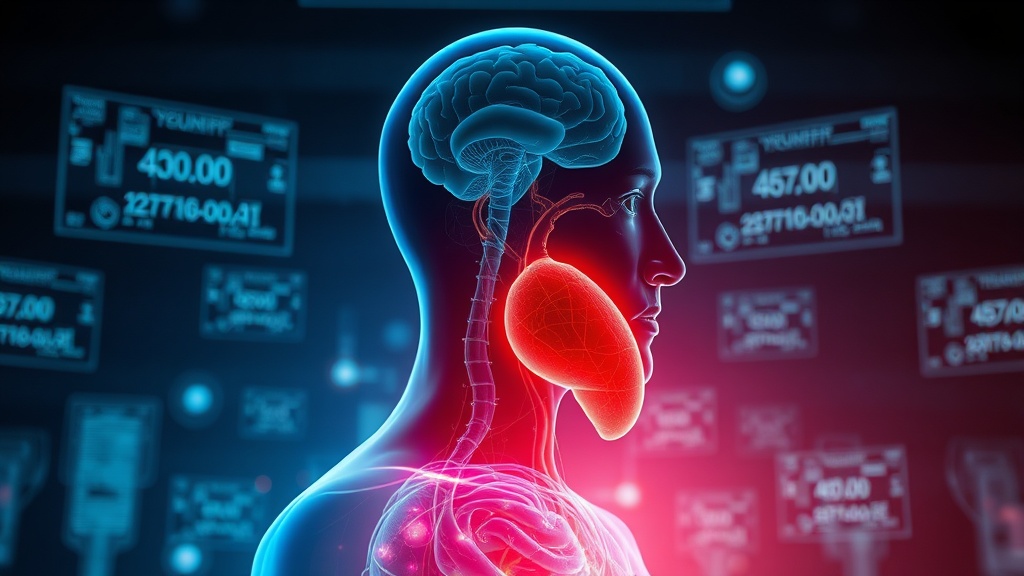
The numbers here deserve attention. 404 proteins correlated with cardiac imaging-derived phenotypes (IDPs), 76 with brain IDPs, and 37 proteins were associated with both. That overlap — those 37 shared proteins — represents the molecular bridge between cardiovascular and neurological disease that clinicians have hypothesized but never mapped at this scale.
Expression analyses traced the origin of these proteins to fibroblasts, smooth muscle cells, and macrophages within arterial vasculature. In other words, the blood vessels themselves are broadcasting distress signals that manifest as both cardiac dysfunction and neurodegeneration. Pathway analyses revealed cytokine and vasculature-related processes driving the cardiac associations, while extracellular matrix remodeling pathways dominated the brain side.
Here's where it gets critical for anyone thinking about therapeutic targets: Mendelian randomization and genetic colocalization — essentially using genetic variants as natural experiments to test causality — supported causal roles for over 63% of these proteins in disease pathogenesis. And over 90% of the candidates identified have never been established as clinical biomarkers or drug targets. That's not an incremental finding. That's a catalog of entirely new intervention points.
Organ-Specific Aging Clocks: Your Brain Age Matters Most#
A parallel body of work has been building organ-specific proteomic aging clocks, and the data is maturing fast. Oh et al., publishing in Nature Medicine, estimated biological age across 11 organs using 2,916 plasma proteins from 44,498 UK Biobank participants [2].
Having an especially aged brain carried an Alzheimer's disease hazard ratio of 3.1 — roughly equivalent to carrying one copy of the APOE4 allele, the single strongest genetic risk factor for sporadic Alzheimer's. Conversely, a biologically youthful brain conferred protection (HR = 0.26) comparable to carrying two copies of APOE2, and this held independent of actual APOE genotype.
Let me push back slightly on what this means practically. A hazard ratio is not destiny. It's a population-level statistical measure, and individual trajectories vary enormously. But the gradient here is steep enough to be clinically meaningful: the accumulation of aged organs progressively scaled mortality risk — 2–4 aged organs gave an HR of 2.3, 5–7 aged organs reached 4.5, and 8+ aged organs hit 8.3 for mortality.
The longevity signal was specific. Youthful brains and youthful immune systems — and particularly the combination of both — were the only organ-age profiles uniquely associated with extended lifespan (combined HR = 0.44 for mortality). Not youthful kidneys. Not youthful livers. Brain and immune system.
Cross-Population Validation and Genetic Architecture#
I'm less convinced by aging clocks that only work in one population, which is why the validation data from Wei et al. in Nature Aging matters [3]. Their organ-specific proteomic clocks, trained in the UK Biobank (n = 43,616), achieved cross-cohort correlations of r = 0.98 in a Chinese cohort (n = 3,977) and r = 0.93 in a US cohort (n = 800). That level of replication is unusual and suggests these aren't artifacts of population-specific confounders.
Their work also identified genetic determinants: brain aging was associated with the GABBR1 gene (encoding a GABA receptor) and ECM1 (extracellular matrix protein 1), linking brain biological age to both neurotransmission and structural tissue integrity. A separate study by Wang et al. in Nature Communications identified 119 genetic loci associated with organ aging across 13 organs from 51,936 UK Biobank participants, with 27 loci shared across multiple organs [5].
Causal inference from this genetic work showed that accelerated heart and muscle aging increase heart failure risk, while kidney aging contributes to hypertension. Smoking initiation was causally linked to accelerated aging of the lung, intestine, kidney, and stomach. None of this is surprising, but having the causal architecture mapped at this resolution is new.
The Longitudinal Dimension and the Gut Connection#
Most proteomic aging studies are cross-sectional snapshots. The study by Li et al. in Nature Metabolism addressed this limitation by tracking 3,796 adults across three timepoints over 9 years, mapping 7,565 serum samples [4]. They identified 86 aging-related proteins with signatures linked to 32 clinical traits and 14 chronic diseases, then distilled 22 of these into a proteomic healthy ageing score (PHAS).
What caught my eye: they identified the gut microbiota as a modifiable factor influencing the PHAS. This connects proteomic aging to something people can actually change — diet, fiber intake, fermented foods, possibly targeted probiotic interventions. It's one of the few points in this entire literature where the pathway from measurement to modification is relatively short.
AI-Powered Multi-Omics Risk Prediction#
The CardiOmicScore framework, published in Nature Communications in 2026, adds another layer [6]. This multitask deep learning model profiles 2,920 proteins and 168 metabolites to generate disease-specific risk scores for the six most common CVDs. The proteomic score alone achieved C-index values of 0.69–0.82 — strong standalone predictive power. Combined with clinical data, the improvement in risk prediction extended up to 15 years before disease onset.
Honestly, the C-index improvements of 0.005–0.102 when adding omics to clinical data sound modest in some cases. But even small C-index gains at a population scale translate to thousands of correctly reclassified patients. The real value here is in the 15-year prediction window — that's early enough to change outcomes.
Mortality Hazard Ratios by Number of Aged Organs
COMPARISON TABLE#
| Method | Mechanism | Evidence Level | Cost | Accessibility |
|---|---|---|---|---|
| Plasma Proteomic Aging Clocks | Measures 2,900+ blood proteins to estimate organ-specific biological age | Multiple large-cohort studies (n > 40,000), cross-population validated | $500–$2,000+ per panel (research-grade) | Research/early clinical only |
| Epigenetic (DNA Methylation) Clocks | CpG methylation patterns predict biological age | Well-validated (Horvath, GrimAge); multiple cohorts | $200–$500 (consumer tests available) | Commercially available (TruDiagnostic, etc.) |
| Standard Blood Biomarkers (CRP, lipids, HbA1c) | Individual protein/metabolite levels | Decades of clinical validation | $20–$200 per panel | Universally accessible |
| MRI-Based Organ Assessment | Structural and functional imaging | Gold standard for anatomy; limited molecular insight | $1,000–$5,000 per scan | Requires clinical referral |
| Polygenic Risk Scores (PRS) | Aggregated genetic variant risk | Modest improvement over clinical factors alone | $100–$300 (consumer genetics) | Widely available but limited clinical uptake |
| CardiOmicScore (AI Multi-Omics) | Deep learning on proteins + metabolites | Single large-cohort study, awaiting external validation | Research-grade; not yet priced for consumers | Research only |
THE PROTOCOL#
How to leverage the emerging science of proteomic biomarkers for your own health optimization — based on what's available right now and what the data actually supports.
Step 1: Establish your baseline with available proteomic or multi-biomarker testing. Consumer-accessible proteomic panels are emerging but still limited. Services like SomaLogic's SomaScan (if available through your longevity clinic) or research-grade Olink panels offer the most comprehensive coverage. At minimum, request a standard advanced blood panel including hsCRP, NT-proBNP (cardiac stress), cystatin C (kidney function), and GDF-15 (a multi-organ aging biomarker that appeared across multiple studies cited here). Cost: $200–$2,000 depending on depth.
Step 2: Get an epigenetic age test as a complementary measure. Until proteomic aging clocks are commercially standardized, DNA methylation clocks (TruDiagnostic's TruAge, Elysium's Index) provide a validated biological age estimate. Use this alongside proteomic data to triangulate your biological age from multiple angles. Repeat every 6–12 months.
Step 3: Prioritize brain and immune system youthfulness. The data from Oh et al. is unambiguous: brain and immune biological age are the two organ systems most strongly linked to longevity [2]. Actionable interventions with evidence supporting brain and immune health include:
- Aerobic exercise: 150–300 minutes/week of moderate-intensity activity (strongest evidence for brain-derived neurotrophic factor upregulation and immune senescence reduction)
- Sleep optimization: 7–8 hours with emphasis on slow-wave sleep (linked to glymphatic clearance and autophagy pathway activation)
- Omega-3 supplementation: 2–4g EPA/DHA daily (anti-inflammatory, associated with reduced brain aging markers)
Step 4: Address the gut-proteome connection. Li et al. identified gut microbiota as a modifiable factor affecting proteomic aging scores [4]. Practical protocol:
- Dietary fiber intake: 30–40g/day from diverse plant sources (minimum 30 different plants per week)
- Fermented foods: 4–6 servings daily (yogurt, kimchi, sauerkraut, kefir — per the Stanford Sonnenburg lab protocol)
- Consider targeted testing: GI-MAP or similar comprehensive stool analysis to identify dysbiosis patterns
Step 5: Eliminate known accelerators of organ aging. The genetic causal analyses from Wang et al. confirmed smoking initiation causally accelerates aging across four organ systems [5]. Beyond the obvious (don't smoke), reduce exposure to other confirmed accelerators: chronic psychological stress (elevated cortisol drives immune aging), excessive alcohol (liver and brain aging), and sedentary behavior (cardiovascular and muscle aging).
Step 6: Track longitudinally, not just once. A single blood draw tells you almost nothing about trajectory. The longitudinal data from Li et al. showed that proteomic aging signatures shift meaningfully over 3–9 year intervals [4]. Commit to repeat testing at minimum annually. Track your results over time to identify trends rather than fixating on single readings — which is what most people get wrong with biomarkers, honestly.
Step 7: Stay positioned for clinical-grade proteomic testing. Within the next 2–5 years, organ-specific proteomic aging panels will likely reach clinical availability. Establish a relationship with a longevity-focused physician or clinic that offers early access to advanced diagnostics. The UK Biobank-derived clocks validated by Wei et al. [3] across three populations suggest these tools are approaching clinical readiness.
Related Video
What are proteomic aging clocks and how do they work?#
Proteomic aging clocks use machine learning algorithms trained on thousands of plasma proteins to estimate the biological age of specific organs. Unlike chronological age, biological age reflects actual tissue-level deterioration. The latest clocks, validated in cohorts exceeding 40,000 individuals, can estimate age for 11+ distinct organs from a single blood draw [2][3].
Why is brain biological age more important than other organ ages for longevity?#
Multiple independent studies converge on the same finding: brain aging is more strongly linked to both mortality and Alzheimer's risk than any other organ's biological age. A biologically youthful brain reduced mortality risk by 40% (HR = 0.60), and when combined with a youthful immune system, the effect reached 56% risk reduction (HR = 0.44) [2]. The mechanism likely involves the brain's central role in regulating systemic inflammation and neuroendocrine function — though I'd want to see mechanistic studies before committing fully to that explanation.
How do the 37 heart-brain shared proteins change our understanding of cardiovascular disease?#
These 37 proteins, identified by researchers using the UK Biobank, represent molecular mediators that simultaneously affect cardiac and brain structure — predominantly originating from arterial vasculature cells [1]. Over 90% are novel, meaning they weren't previously on any clinical radar. The implication is that cardiovascular disease and neurodegeneration may share upstream drivers that current treatments completely miss.
When will proteomic aging tests be available to consumers?#
Some research-grade proteomic panels are accessible now through specialized longevity clinics, typically costing $500–$2,000. Standardized, clinically validated organ-specific aging clocks are likely 2–5 years from broad commercial availability. The cross-population validation data (r = 0.93–0.98 across three countries) suggests the science is ready — it's the regulatory and commercial infrastructure that needs to catch up [3].
How does gut health affect proteomic aging scores?#
Li et al. identified the gut microbiota as a modifiable factor influencing the proteomic healthy ageing score in their longitudinal cohort [4]. The exact mechanisms remain under investigation, but gut-derived metabolites and immune signaling molecules likely alter systemic protein profiles. This means dietary interventions targeting gut health — fiber diversity, fermented foods — may represent one of the most accessible levers for shifting proteomic aging trajectories.
VERDICT#
8.5/10. The convergence of these studies represents a genuine inflection point for precision health — not because any single finding is definitive, but because the proteomic aging framework is now validated across populations, replicated longitudinally, and connected to causal genetic architectures. The 90% novelty rate among heart-brain protein biomarkers is the standout number. The main limitation: almost all of this data comes from the UK Biobank, which, despite its size, skews older, whiter, and more affluent than the global population. The cross-cohort validation in Chinese and US populations helps, but I'd want to see African and South Asian replication before calling this universal. The practical gap remains real — most people cannot access proteomic aging panels today. But the direction is unmistakable, and the data quality here is as strong as it gets in observational research.
References
- 1.Author(s) not listed. Large-scale identification of protein biomarkers and therapeutic targets in heart and brain disease. Nature Cardiovascular Research (2026). ↩
- 2.Oh H et al.. Plasma proteomics links brain and immune system aging with healthspan and longevity. Nature Medicine (2025). ↩
- 3.Wei W et al.. Organ-specific proteomic aging clocks predict disease and longevity across diverse populations. Nature Aging (2025). ↩
- 4.Li J et al.. Longitudinal serum proteome mapping reveals biomarkers for healthy ageing and related cardiometabolic diseases. Nature Metabolism (2025). ↩
- 5.Wang Y et al.. Revealing the genetic architectures underlying organ-specific aging based on proteomic data. Nature Communications (2025). ↩
- 6.Chen X et al.. AI-based multiomics profiling reveals complementary omics contributions to personalized prediction of cardiovascular disease. Nature Communications (2026). ↩
Saya Kimm
Saya is analytical, methodical, and subtly contrarian about popular biomarker interpretations. She'll specifically challenge what readers think they know: 'Testosterone doesn't tell you what most people think it tells you at a single timepoint.' She writes with a researcher's caution about causation vs. correlation — but instead of hiding behind it, she turns it into an insight.
View all articles →