Blood Biomarkers for Alzheimer's: p-tau217, NfL Detection Guide

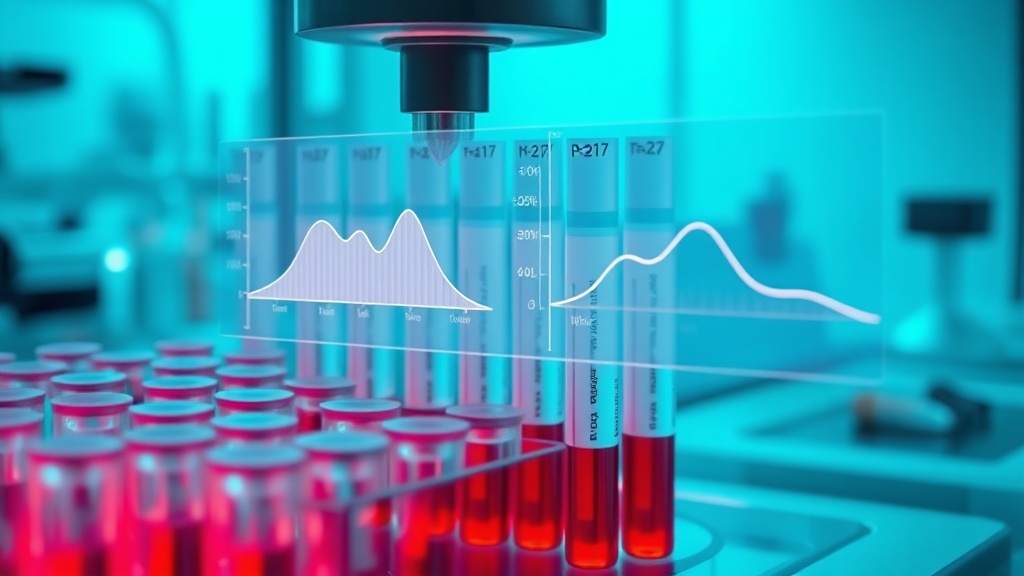
SNIPPET: Blood-based biomarkers — including p-tau217, neurofilament light chain (NfL), and GFAP — can now detect Alzheimer's disease pathology years before clinical symptoms appear, rivaling cerebrospinal fluid tests in accuracy. Combined with proteomic organ-aging clocks validated across 48,000+ individuals, these simple blood draws may soon replace invasive diagnostics and enable molecularly targeted prevention strategies for neurodegenerative dementias.
THE PROTOHUMAN PERSPECTIVE#
Your brain doesn't announce its decline. It erodes silently — amyloid plaques accumulating, tau tangles spreading, synapses flickering out — often for a decade or more before you forget your first word. Until recently, catching this process early required either a $5,000 PET scan or a lumbar puncture, which is exactly as unpleasant as it sounds.
That's shifting. A new generation of blood-based biomarkers is making it possible to detect neurodegenerative pathology from a standard venous draw. For anyone interested in longevity optimization, this isn't just a medical advance — it's the missing feedback loop. You can't manage what you can't measure, and brain health has been the last frontier of quantifiable biological performance. The ability to track neurodegeneration through blood proteins changes the entire calculus of cognitive healthspan.
I care about this because biomarkers are only useful when they're clinically actionable — and for the first time, we're approaching a world where detecting amyloid pathology in your blood actually connects to a treatment decision. That's the difference between interesting data and data that saves your cognition.
THE SCIENCE#
What Are Blood-Based Neurodegenerative Biomarkers, Exactly?#
Blood-based biomarkers for neurodegenerative disease are proteins — fragments of pathological processes occurring in the brain — that cross the blood-brain barrier in measurable quantities. They include phosphorylated tau isoforms (p-tau181 and p-tau217), amyloid-β ratios (Aβ42/40), neurofilament light chain (NfL), and glial fibrillary acidic protein (GFAP). Each reflects a different aspect of neurodegeneration: amyloid plaque formation, tau tangle propagation, axonal damage, and astrocytic reactivity, respectively [1].
The Nature review by Hansson and colleagues (2026) catalogues these alongside emerging markers for α-synuclein pathology, TDP-43 pathology, and synaptic dysfunction — covering virtually the full spectrum of neurodegenerative dementias, not just Alzheimer's [1]. Improved ultrasensitive immunoassay technologies (single molecule array, or Simoa, being the most established) now detect these proteins at femtomolar concentrations in plasma.
Here's what matters for the optimization-minded reader: these aren't screening tests for the worried well — yet. The Alzheimer's Association appropriate use recommendations explicitly frame blood biomarkers for symptomatic individuals being evaluated in clinical settings [2]. But the trajectory is clear.
The Swedish Cohort Data: NfL and p-tau217 Lead the Pack#
The most clinically compelling dataset comes from a Swedish population-based cohort of 2,148 dementia-free individuals followed for up to 16 years. This study, published in Nature Communications, examined which blood biomarkers predicted transitions between normal cognition, mild cognitive impairment (MCI), and dementia [3].
The results were stratified and specific. Lower Aβ42/40 ratios and elevated p-tau181, p-tau217, total-tau, NfL, and GFAP all predicted faster progression from MCI to dementia — but the strongest associations belonged to NfL and p-tau217. Elevated NfL and GFAP also predicted reduced reversion from MCI back to normal cognition, which is annoying, actually, because it means these markers don't just predict who gets worse — they predict who doesn't get better.
But here's where it gets complicated. No biomarker predicted the initial transition from normal cognition to MCI. None. This is a critical gap. It means we currently have blood-based tools that are powerful at the MCI stage but cannot yet tell a cognitively healthy person whether they're about to start slipping. The honest answer is that early detection in truly asymptomatic individuals remains unresolved.
The Novel Five-Protein CSF Panel: Promising But Unfinished#
A February 2026 study in Alzheimer's Research & Therapy validated a novel five-protein panel — THOP1, ENO2, DDC, MMP7, and ITGB2 — as CSF biomarkers for differentiating Alzheimer's from other dementias like Lewy body dementia (DLB) and frontotemporal dementia (FTD) [4].
Each protein covers a distinct biological process: THOP1 relates to neuropeptide degradation, ENO2 to energy metabolism (think mitochondrial efficiency and glycolytic pathways), DDC to neurotransmitter synthesis, MMP7 to cellular remodeling, and ITGB2 to immune system activation. The panel discriminated AD from non-AD dementias with an AUC of 0.73 (95% CI: 0.64–0.82).
I'm less convinced by the AUC here than the biological rationale. An AUC of 0.73 is moderate — honestly, it's the kind of number that says "we're onto something" rather than "deploy this now." THOP1 and ENO2 correlated strongly with pTau181 and total tau, suggesting they track tau-mediated neurodegeneration, but weakly with amyloid markers. DDC was specifically elevated in DLB, which hints at its utility for differential diagnosis rather than AD-specific detection.
The clinical translation challenge is real. These are CSF markers, not blood markers yet. And the validation cohort was modest: 245 patients total. I'd want to see this replicated in a larger, multi-center study with blood-based assay development before changing any clinical protocol.
Proteomic Aging Clocks: Your Brain Has a Biological Age#
Perhaps the most forward-looking data comes from organ-specific proteomic aging clocks developed using the UK Biobank (n = 43,616) and validated across cohorts in China and the United States [5]. Using plasma proteomics and machine learning, researchers built ten organ-specific clocks — and the brain aging clock was the most strongly linked to mortality overall.
A "super-youthful" brain — one aging slower than expected by the proteomic clock — appeared to confer resilience to APOE4, the most significant genetic risk factor for Alzheimer's. The brain and artery clocks linked synaptic loss, vascular dysfunction, and glial activation to cognitive decline and dementia. Cross-cohort correlation was extraordinarily high (r = 0.98 and 0.93), suggesting this framework generalizes well across populations.
The convergence with normal aging proteomics is worth noting. A Communications Medicine study profiling CSF and plasma in cognitively normal young (mean age 29) and older (mean age 69) adults found that aging upregulates extracellular matrix components, coagulation, and inflammatory pathways in CSF, while downregulating IGF-1 signaling in plasma [6]. Novel phosphorylation patterns were identified in APP, APOE, and synaptic proteins — the same molecular players implicated in neurodegeneration.
This means the line between "normal aging" and "pathological neurodegeneration" may be thinner than we'd like to believe. The autophagy pathways that clear misfolded proteins, the NAD+ synthesis pathways that fuel neuronal mitochondrial efficiency — these overlap heavily with the processes these biomarkers are measuring. Your brain's biological age isn't just a curiosity. It's a risk stratifier.
Blood Biomarker Associations with MCI-to-Dementia Progression
COMPARISON TABLE#
| Method | Mechanism | Evidence Level | Cost | Accessibility |
|---|---|---|---|---|
| Blood biomarkers (p-tau217, NfL, GFAP) | Detects phosphorylated tau, axonal damage, glial reactivity in plasma | Multiple large cohort studies; strong group-level associations [1][3] | $200–$500 per panel | Emerging; available at select specialty labs |
| CSF biomarkers (Aβ42, pTau, tTau) | Direct sampling of brain-proximal fluid for core AD pathology markers | Gold standard for clinical trials; decades of validation [1] | $800–$1,500 + lumbar puncture | Limited to neurology clinics |
| Amyloid PET scan | Visualizes amyloid plaque burden in living brain tissue | FDA-approved tracers; high sensitivity/specificity | $3,000–$7,000 | Major medical centers only |
| Novel 5-protein CSF panel (THOP1, ENO2, etc.) | Tracks cellular remodeling, energy metabolism, immune activation | Single validation study; AUC 0.73 [4] | Research stage | Not clinically available |
| Proteomic organ-aging clocks | Machine learning on plasma proteome predicts organ biological age | UK Biobank validated (n=43,616); cross-cohort r=0.98 [5] | Research stage | Not clinically available |
| Cognitive testing alone (MoCA, MMSE) | Behavioral assessment of cognitive function | Universal clinical standard; low sensitivity for preclinical disease | $0–$50 | Universally available |
THE PROTOCOL#
A practical framework for integrating blood-based neurodegenerative biomarkers into your cognitive health strategy — based on current evidence, not speculation.
Step 1: Establish Your Baseline After Age 45 If you're over 45, or have a family history of Alzheimer's or other dementias, request a blood biomarker panel that includes p-tau217, NfL, GFAP, and Aβ42/40 ratio. These are increasingly available through specialty labs and some longevity clinics. A single timepoint is a starting point — not a diagnosis.
Step 2: Contextualize With APOE Genotyping Know your APOE status. APOE4 carriers face significantly elevated AD risk, but the proteomic brain-aging clock data suggests that a biologically youthful brain may confer resilience even to APOE4 [5]. This means your interventions matter more, not less, if you carry the risk allele.
Step 3: Track Longitudinally, Not Once A single biomarker measurement tells you very little. The clinical value emerges from trajectory. Repeat testing every 12–24 months to detect acceleration in NfL or p-tau217 trends. Rising values over time are far more informative than any single reading — which is annoying if you want a quick answer, but that's how biology works.
Step 4: Prioritize Modifiable Drivers of Brain Aging The proteomic aging clock data identified lifestyle factors as significant determinants of brain biological age [5]. Based on the converging evidence, prioritize: aerobic exercise (150+ minutes/week — the strongest single modifiable factor for brain health), sleep optimization (7–9 hours, with emphasis on slow-wave sleep for glymphatic clearance), and Mediterranean-style dietary patterns that support vascular and metabolic health.

Step 5: Address Vascular and Metabolic Risk Factors Aggressively The brain and artery aging clocks were linked — vascular dysfunction feeds into cognitive decline [5]. Manage blood pressure, fasting glucose, and lipid profiles. HRV optimization through structured breathing protocols and stress management isn't just wellness theater; autonomic function intersects with cerebrovascular health at the level of neurovascular coupling.
Step 6: If Biomarkers Flag Concern, Seek Specialist Evaluation Elevated p-tau217 or declining Aβ42/40 ratios should trigger referral to a neurologist, not a DIY treatment plan. The clinical value of these biomarkers is in connecting you to emerging therapies — anti-Aβ monoclonal antibodies like lecanemab are now available for appropriate candidates, and biomarker-guided trial enrollment is the fastest path to novel therapeutics [1].
Step 7: Reassess Annually and Update Your Protocol This field is moving fast. Biomarker cutoffs, available assays, and treatment options are changing year over year. What isn't actionable today may be standard of care within 24 months.
Related Video
What is p-tau217, and why is it considered the leading blood biomarker for Alzheimer's?#
p-tau217 is a phosphorylated form of tau protein that reflects tau pathology specific to Alzheimer's disease. In the Swedish community cohort study, it showed among the strongest associations with progression from MCI to dementia over 16 years of follow-up [3]. Unlike NfL, which reflects general axonal damage across many conditions, p-tau217 appears relatively specific to AD-type neurodegeneration, making it more useful for differential diagnosis.
How accurate are blood tests compared to spinal taps for detecting Alzheimer's?#
Blood-based biomarkers are approaching CSF assay performance for core AD markers, but they're not equivalent yet. The Nature review notes that ultrasensitive technologies now detect brain-derived proteins at extremely low plasma concentrations [1]. For clinical decision-making, blood tests function best as a triage step — identifying who needs further workup — rather than as standalone diagnostic tools. The honest answer is that CSF still provides higher signal-to-noise ratios for most analytes.
When should someone start testing blood biomarkers for neurodegeneration?#
Current recommendations target symptomatic individuals in clinical evaluation settings [2]. For proactive health monitoring, the data suggests the MCI stage is where blood biomarkers have the strongest predictive value [3]. If you're cognitively normal, testing after age 45–50 — especially with family history or APOE4 status — provides a baseline, but don't expect a clean yes/no answer from a single draw.
Why did no blood biomarker predict the initial transition from normal cognition to MCI?#
This is one of the most important gaps in the current evidence. The Swedish cohort found that while multiple biomarkers predicted MCI-to-dementia progression, none predicted the onset of MCI from normal cognition [3]. One possibility is that the pathological protein levels at the very earliest stages are below even ultrasensitive assay thresholds. Another is that the initial cognitive decline involves heterogeneous, non-AD mechanisms that these specific biomarkers don't capture. Optimal dosing of detection sensitivity, so to speak, is not yet established.
How do proteomic aging clocks differ from standard blood biomarker panels?#
Standard panels measure individual proteins associated with specific pathologies. Proteomic aging clocks use machine learning across hundreds or thousands of plasma proteins to calculate a biological age for specific organs [5]. The brain aging clock doesn't just tell you whether amyloid or tau is elevated — it gives you a composite score reflecting synaptic health, vascular integrity, glial activation, and more. It's the difference between checking one vital sign and reading an integrated dashboard.
VERDICT#
Score: 8/10
The science is converging from multiple directions — population cohorts, proteomic clocks, novel biomarker panels — and the signal is consistent: blood-based detection of neurodegenerative pathology is real, improving, and approaching clinical utility. The strongest data supports p-tau217 and NfL for stratifying dementia risk at the MCI stage, not for population-wide screening of healthy individuals. The proteomic brain-aging clock is the most exciting development for longevity-focused readers, but it remains a research tool. I'm giving this an 8 because the evidence base is strong and multi-source, but the critical gap — detecting the earliest transition from healthy cognition — remains unsolved. The tools are ahead of the treatment options for most people, which creates an information-action gap that honestly needs closing before this earns a 9 or above.
References
- 1.Hansson O et al.. Biofluid biomarkers in Alzheimer's disease and other neurodegenerative dementias. Nature (2026). ↩
- 2.Hansson O et al.. The Alzheimer's Association appropriate use recommendations for blood biomarkers in Alzheimer's disease. Alzheimers Dement. (2022). ↩
- 3.Author(s) not listed. Blood biomarkers of Alzheimer's disease and progression across different stages of cognitive decline in the community. Nature Communications (2025). ↩
- 4.Author(s) not listed. Development and validation of a novel panel of CSF biomarkers for Alzheimer's disease. Alzheimer's Research & Therapy (2026). ↩
- 5.Author(s) not listed. Organ-specific proteomic aging clocks predict disease and longevity across diverse populations. Nature Aging (2025). ↩
- 6.Author(s) not listed. Unveiling proteomic and peptide-level modifications in cerebrospinal fluid and plasma in normal cognitive aging. Communications Medicine (2025). ↩
Saya Kimm
Saya is analytical, methodical, and subtly contrarian about popular biomarker interpretations. She'll specifically challenge what readers think they know: 'Testosterone doesn't tell you what most people think it tells you at a single timepoint.' She writes with a researcher's caution about causation vs. correlation — but instead of hiding behind it, she turns it into an insight.
View all articles →