NR vs NMN vs Nicotinamide: Which NAD+ Precursor Actually Works?

SNIPPET: NR and NMN comparably increase circulatory NAD+ levels after 14 days of supplementation, but neither compound directly boosts blood NAD+. Instead, gut microbiota convert NR and NMN into nicotinic acid (NA), which enters the bloodstream via the Preiss–Handler pathway. Plain nicotinamide (Nam) fails to raise chronic NAD+ levels despite being the cheapest option. Your microbiome is the missing variable.
THE PROTOHUMAN PERSPECTIVE#
Here's what the NAD+ supplement industry doesn't want to talk about: the molecule you're swallowing isn't the molecule doing the work. A January 2026 study in Nature Metabolism — the first head-to-head-to-head human comparison of NR, NMN, and nicotinamide — just demonstrated that gut bacteria are the critical intermediary converting these expensive precursors into nicotinic acid, a compound your grandmother could have gotten from fortified bread. This matters for human performance optimization because it reframes the entire NAD+ supplementation paradigm. If your microbiome is compromised — from antibiotics, poor diet, or chronic stress — your $60-a-month NMN habit may be partially wasted. The implications ripple into every corner of biohacking: mitochondrial efficiency, sirtuin activation, DNA repair capacity, and the autophagy pathways that keep cellular machinery clean. We're not just talking about a new supplement study. We're talking about gut health becoming a prerequisite for longevity supplementation to work at all.
THE SCIENCE#
What NAD+ Actually Is (And Why Everyone's Chasing It)#
Nicotinamide adenine dinucleotide is a redox cofactor involved in hundreds of metabolic reactions — from mitochondrial electron transport to sirtuin-mediated epigenetic regulation to PARP-dependent DNA repair[1]. NAD+ levels decline with age, and this decline has been implicated in metabolic dysfunction, neurodegeneration, and accelerated biological aging[2]. The logical response: supplement with NAD+ precursors to push levels back up.
Three main precursors dominate the market: nicotinamide riboside (NR), nicotinamide mononucleotide (NMN), and plain nicotinamide (Nam). Until now, no human trial had directly compared all three. Preclinical rodent data suggested they might work through different mechanisms, but extrapolating mouse data to humans is, as the review literature puts it, "not straightforward"[2].
The 65-Person Trial That Changes the Conversation#
The study, published in Nature Metabolism by Zapata-Pérez and colleagues, was a randomized, open-label, placebo-controlled trial across 65 healthy adults over 14 days (NCT05517122)[1]. The design was clean: four groups receiving NR, NMN, Nam, or placebo, with whole-blood NAD+ metabolome measurements at baseline, acutely (4 hours), and after chronic supplementation (14 days).
The headline finding: NR and NMN comparably increased circulatory NAD+ concentrations after 14 days. Nam did not. That's the part the supplement companies will plaster across their marketing.
But here's where it gets complicated.
The Acute vs. Chronic Paradox#
Acutely — within 4 hours of ingestion — only Nam affected the whole-blood NAD+ metabolome. NR and NMN showed no significant acute effect on blood NAD+ levels[1]. This is counterintuitive. If NR and NMN are the superior chronic boosters, why do they do nothing in the short term?
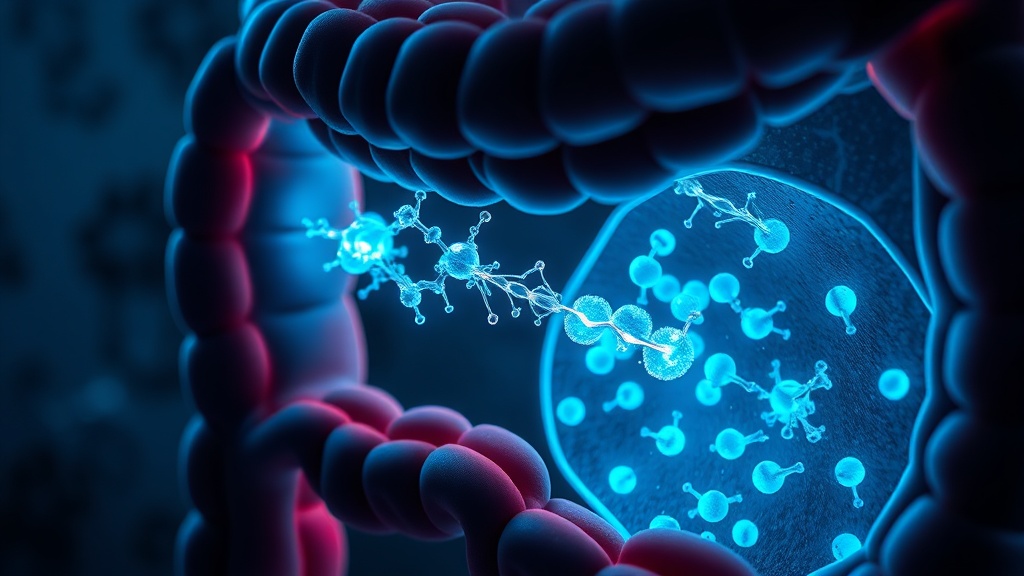
The answer, according to this study's mechanistic work, is microbial metabolism. NR and NMN don't waltz directly into your bloodstream and convert to NAD+. They hit the gut, where resident bacteria metabolize them into nicotinic acid (NA). NA then enters circulation and feeds into the Preiss–Handler pathway — a distinct NAD+ synthesis route that generates NAAD as an intermediate before producing NAD+[1].
Wait, let me be more precise here. The researchers confirmed this through ex vivo fermentation experiments with human gut microbiota. NR and NMN specifically enhanced microbial growth and metabolism, generating NA as a metabolic byproduct. When they tested NA directly on whole blood ex vivo, it was a potent NAD+ booster. NMN, NR, and Nam applied directly to blood? Not potent at all[1].
The Gut-Dependent Model#
So here's the proposed mechanism: Nam is rapidly absorbed in the upper GI tract and transiently affects NAD+ via the salvage pathway — the recycling route. It works fast but doesn't sustain elevated levels. NR and NMN take a slower route through the gut, where bacterial processing converts them to NA, which then feeds the Preiss–Handler pathway for sustained NAD+ elevation[1].
This has massive implications. Your gut microbiome composition may determine how effectively NR and NMN supplementation works for you personally. Dysbiosis, recent antibiotic use, low-fiber diets — anything that compromises microbial diversity could blunt the NAD+-boosting effect.
Supporting Data: NMN Dose-Response and Blood Parameters#
A separate post hoc analysis from a double-blind, placebo-controlled trial of 80 middle-aged adults (mean age 49.4) examined NMN supplementation at 300, 600, and 900 mg daily for 60 days[3]. Baseline whole-blood NAD was 7.21 nM. Every 1 nM increase in NAD was associated with a 0.025% increase in red blood cells and a 0.027% increase in hemoglobin — potentially indicating enhanced oxygen-carrying capacity[3]. That's interesting from a performance standpoint, though the effect sizes are small and the clinical significance is uncertain.
I'm less convinced by the lipid associations they found. Higher baseline NAD correlated with higher triglycerides and lower HDL — which is the opposite direction you'd want for cardiometabolic health[3]. The authors didn't speculate much on this, and honestly, the sample was too small to draw conclusions.
IV NAD+ vs. IV NR: A Tolerability Reality Check#
For the biohacking crowd getting IV NAD+ drips at wellness clinics: a retrospective pilot study by Heinzen, Pojednic, and colleagues compared 500 mg IV NAD+ versus IV NR over four consecutive days[4]. The tolerability difference was stark. NAD+ IV recipients reported moderate to severe GI symptoms, increased heart rate, and chest pressure. NR IV recipients experienced only minor tingling and mild discomfort[4].
Look, the IV NAD+ drip experience is notoriously brutal — anyone who's sat through one knows the nausea and chest tightness. This study, while small and retrospective, at least puts some formal documentation behind what the longevity clinic community has known anecdotally for years.
NAD+ Precursor Chronic (14-Day) Effect on Blood NAD+
COMPARISON TABLE#
| Method | Mechanism | Evidence Level | Cost (Monthly) | Accessibility |
|---|---|---|---|---|
| NR (oral) | Gut microbial conversion → NA → Preiss–Handler pathway | RCT, n=65, 14 days [1] | $40–60 | OTC supplement |
| NMN (oral) | Gut microbial conversion → NA → Preiss–Handler pathway | RCT, n=65, 14 days [1] | $50–80 | OTC supplement |
| Nam (oral) | Direct absorption → salvage pathway (acute only) | RCT, n=65, 14 days [1] | $5–10 | OTC supplement |
| IV NAD+ | Direct infusion, bypasses gut | Retrospective pilot [4] | $500–1,500/session | Clinic only |
| IV NR | Direct infusion, better tolerability | Retrospective pilot [4] | $300–800/session | Clinic only |
| NA (niacin) | Direct Preiss–Handler pathway activation | Ex vivo blood data [1] | $5–10 | OTC (flushing side effect) |
THE PROTOCOL#
Based on current evidence, here's how I'd approach NAD+ optimization incorporating these new findings:
-
Prioritize gut health before supplementation. If your microbiome is compromised, NR and NMN may underperform. Spend 2–4 weeks on a high-fiber, polyphenol-rich diet. Fermented foods daily — kimchi, sauerkraut, kefir. This isn't optional anymore; it's mechanistically upstream of NAD+ synthesis via the Preiss–Handler pathway.
-
Choose NR or NMN — not both. The data shows comparable NAD+ elevation between the two[1]. Pick based on cost and availability. NR has slightly more published human trial data historically; NMN is catching up. Dosing: 300–500 mg daily is a reasonable starting point based on available trial protocols.
-
Take your precursor with food, ideally with breakfast. The gut microbial conversion takes time — this isn't an acute effect. Morning dosing aligns with circadian NAD+ rhythms and gives your microbiota the full day to process the compound.
-
Don't dismiss plain niacin (nicotinic acid). This is the molecule your gut bacteria are actually making from NR and NMN. If you can tolerate the flush, low-dose NA (50–100 mg) may be a cost-effective adjunct. The ex vivo data showed it's a potent direct NAD+ booster in blood[1].

-
Consider periodic NAD+ blood testing. Baseline whole-blood NAD in the NMN dose-response study was 7.21 nM for middle-aged adults[3]. Testing before and 60 days after starting supplementation gives you actual data instead of assumptions.
-
Skip IV NAD+ drips unless you have a specific clinical reason. The tolerability profile is poor, the cost is extreme, and oral precursors achieve sustained circulatory NAD+ elevation over 14 days[1][4]. IV NR may be a more tolerable alternative if you insist on infusion therapy.
-
Avoid antibiotics casually during supplementation periods. If your NR/NMN efficacy depends on gut microbial conversion, broad-spectrum antibiotics could temporarily negate the benefit. Obviously, take antibiotics when medically necessary — but be aware of this interaction.
Related Video
What is the difference between NR, NMN, and Nam for boosting NAD+?#
NR and NMN both raise circulatory NAD+ levels comparably after 14 days of supplementation, but they do so through gut microbial conversion to nicotinic acid via the Preiss–Handler pathway. Nam (plain nicotinamide) works through the salvage pathway and only produces acute, transient effects — it doesn't sustain elevated NAD+ levels chronically[1]. In practical terms, NR and NMN are your better bets for sustained elevation, while Nam is the cheapest but least effective for that goal.
Why does gut health matter for NAD+ supplementation?#
Because NR and NMN don't directly boost blood NAD+. Your gut bacteria metabolize these compounds into nicotinic acid, which is the actual molecule that enters circulation and drives NAD+ synthesis[1]. If your microbiome is disrupted — through antibiotics, poor diet, or chronic illness — this conversion may be impaired. I'd honestly put gut optimization as step zero before spending money on precursors.
How long does it take for NR or NMN to increase NAD+ levels?#
The trial by Zapata-Pérez et al. measured significant NAD+ elevation after 14 days of daily supplementation[1]. There was no significant acute effect at 4 hours for either NR or NMN. So don't expect to feel anything day one. The NMN dose-response study used a 60-day protocol[3]. Plan for at least 2–4 weeks before expecting measurable changes.
Who should consider IV NAD+ therapy instead of oral supplements?#
Honestly, very few people based on current evidence. IV NAD+ causes moderate to severe side effects including GI distress and chest pressure[4]. Oral NR and NMN achieve sustained NAD+ elevation at a fraction of the cost. IV NR showed better tolerability than IV NAD+ in the Heinzen et al. pilot study, but the data is still preliminary[4]. I'd reserve IV approaches for clinical contexts where oral absorption is genuinely compromised.
What dose of NMN should someone start with?#
The dose-response trial tested 300, 600, and 900 mg daily[3]. Starting at 300 mg is reasonable for most people. Optimal dosing in humans is not yet established — and anyone telling you otherwise is selling something. Titrate up based on tolerance and, ideally, blood NAD+ testing to confirm you're actually moving the needle.
VERDICT#
7.5/10. This is genuinely important mechanistic work. The head-to-head comparison in Nature Metabolism is the study the NAD+ field has needed — and the gut microbiome angle is a legitimate paradigm shift, not marketing fluff. The catch: n=65, open-label design, healthy participants only, 14-day duration. We don't know if this gut-dependent mechanism holds in older adults, in people with metabolic disease, or over months-long supplementation. The practical punchline — NR and NMN work comparably, gut health matters, and plain nicotinamide is a poor chronic booster — is actionable today. But I'd want larger, longer, blinded trials before overhauling anyone's protocol dramatically. The microbiome conversion story is compelling. It's just not yet proven enough to be prescriptive.
References
- 1.Zapata-Pérez R et al.. The differential impact of three different NAD+ boosters on circulatory NAD and microbial metabolism in humans. Nature Metabolism (2026). ↩
- 2.Covarrubias AJ, Perrone R, Grozio A, Verdin E. NAD+ precursor supplementation in human ageing: clinical evidence and challenges. Nature Metabolism (2025). ↩
- 3.Association between blood nicotinamide adenine dinucleotide levels and blood laboratory parameters at baseline and after nicotinamide mononucleotide supplementation in middle-aged healthy individuals. GeroScience (2025). ↩
- 4.Heinzen G, Patel N, Ritter M, Siojo A, Reyna K, Legere H, Pojednic R. Intravenous infusion of nicotinamide adenine dinucleotide (NAD+) versus nicotinamide riboside (NR): a retrospective tolerability pilot study in a real-world setting. Frontiers in Aging (2026). ↩
Nael Voss
Nael is data-obsessed and slightly impatient with over-hyped claims. He's tested most of what he covers personally, which means he occasionally contradicts the research when his n=1 doesn't match. His writing moves fast, sometimes too fast — he'll drop a complex mechanism in one sentence and move on. He has a specific verbal tic: 'Look,' when he's about to say something the reader might not want to hear. He's sardonic about supplement marketing but genuinely excited about good mechanistic data.
View all articles →