JAK/STAT Pathway Explains Cold Acclimation Cardioprotection

SNIPPET: Cold acclimation protects the heart through the JAK2/STAT3 signaling pathway, according to new research by Kasik et al. in Scientific Reports. Five weeks of cold exposure at 9°C triggered STAT3 translocation from mitochondria to the sarcolemma, reducing infarct size and improving mitochondrial permeability transition pore function. This is preclinical rat data — not yet validated in humans.
THE PROTOHUMAN PERSPECTIVE#
Cold exposure isn't new to this readership. But until now, the why behind cold-induced cardioprotection has been a black box with a lot of hand-waving about catecholamines and vague references to "hormesis." This study cracks that box open at the molecular level.
Kasik et al. have identified the JAK2/STAT3 pathway as causally responsible for the heart-protective effects of sustained cold acclimation — not just correlated, but necessary. When they blocked JAK2 with AG490, the cardioprotection vanished. Infarct size reduction: gone. MPT pore improvements: gone.
For anyone building a cold exposure protocol around cardiovascular resilience, this is the first mechanistic confirmation that what you're doing has a specific molecular address. It's not vague stress adaptation. It's IL-6 signaling upstream, STAT3 translocation at the mitochondrial level, and downstream suppression of pro-apoptotic p38-MAPK. That's a pathway you can interrogate, optimize around, and eventually target with precision.
The catch, though: this is rat data. Five weeks at 9°C ambient temperature, not ice baths. The translation to human cold water immersion protocols is speculative. I'll get into what we can and can't extrapolate below.
THE SCIENCE#
Cold Acclimation Is Not Cold Shock — And the Distinction Matters#
The Kasik et al. study used gradual cold acclimation (CA): male Wistar rats housed at 9°C for five consecutive weeks[1]. This is not a cold plunge. It's not three minutes of shivering. It's chronic, sustained environmental cold that forces deep metabolic and signaling adaptations over weeks.
The study also examined what happens after recovery from cold acclimation (CAR) — two weeks back at 24°C. Here's where it gets interesting: the cardioprotection persists after recovery, but through an entirely different mechanism. CAR-mediated protection runs through the β2-adrenoceptor/Gi/Akt salvage pathway. During active cold acclimation, that pathway isn't involved at all[1].
Two phases. Two distinct molecular mechanisms. Same outcome: smaller infarcts, better-functioning mitochondria.
The JAK2/STAT3 Pathway: What It Does and How They Proved It#
JAK2 (Janus kinase 2) and STAT3 (signal transducer and activator of transcription 3) form a signaling cascade that sits downstream of cytokine receptors, particularly IL-6. When IL-6 binds its receptor, JAK2 phosphorylates STAT3, which then translocates to different cellular compartments to exert its effects.
Kasik et al. used AG490, a selective JAK2 inhibitor, at 5 mg/kg/day for three days before the end of the cold acclimation period. The results were unambiguous:
- AG490 abolished the CA-induced reduction in infarct size. The hearts lost their protection.
- AG490 eliminated improvements in mitochondrial permeability transition (MPT) pore function. The MPT pore is a critical gatekeeper of mitochondrial integrity — when it opens inappropriately during ischemia-reperfusion, cells die. Cold acclimation kept it stable. JAK2 inhibition reversed that.
- IL-6 was upregulated by cold acclimation, and AG490 reversed it. IL-6 is the upstream signal that activates JAK2/STAT3. This confirms the directionality of the pathway.
- Pro-apoptotic p38-MAPK was reduced by cold acclimation, and AG490 abolished that reduction. This means the anti-apoptotic benefit of cold exposure is JAK2-dependent[1].
Let me push back on one thing, though. AG490 is a useful pharmacological tool, but it's not perfectly selective. It can hit other tyrosine kinases at higher concentrations. The study used a reasonable dose, and the consistency of results across multiple endpoints is convincing — but I'd want to see genetic confirmation (STAT3 cardiac-specific knockouts) before calling this airtight.
STAT3 Translocation: The Spatial Story#
This is the part of the study that genuinely surprised me.
Cold acclimation triggered translocation of total STAT3 from mitochondria to the sarcolemma (cell membrane). When JAK2 was inhibited, this translocation was eliminated[1].
But the phosphorylated forms of STAT3 told a different story:
- pSTAT3-Y705 (the "genomic" phosphorylation associated with nuclear transcription) was lost from the sarcolemma during cold acclimation.
- pSTAT3-S727 (the "mitochondrial" phosphorylation linked to electron transport chain regulation) was lost from the nucleus.
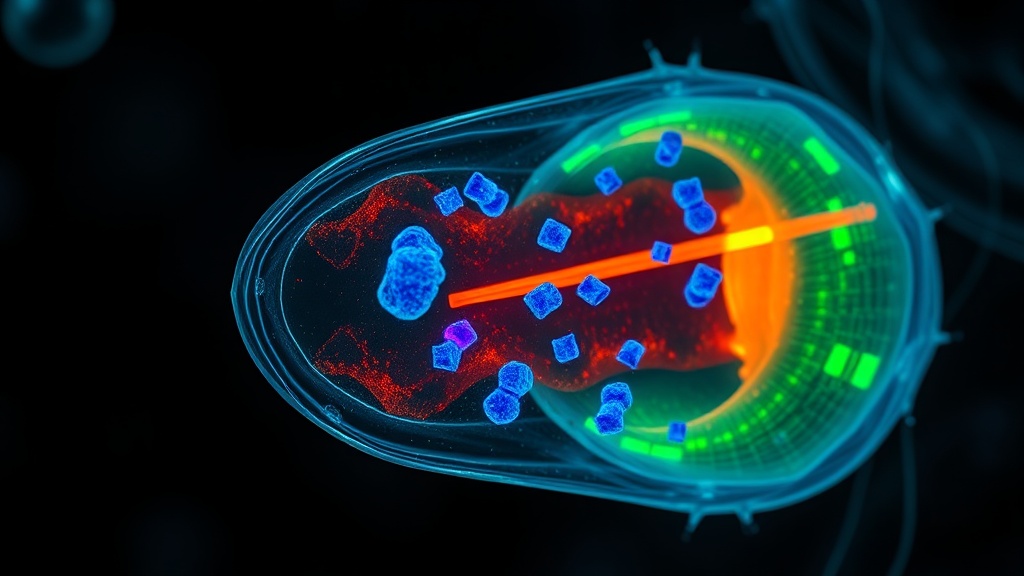
What this means is that cold acclimation shifts STAT3 away from its classical gene-transcription role and toward non-genomic, mitochondria-associated activity. The cardioprotection isn't about turning genes on or off. It's about STAT3 physically relocating to protect mitochondrial function during ischemic stress.
Kleinbongard's perspective piece in Basic Research in Cardiology had already flagged mitochondrial STAT3 as a potential cardioprotective player[3]. Kasik et al. provide the first direct evidence linking this to cold acclimation specifically.
The Cytokine Profile: IL-6 Up, Inflammatory Markers Stable#
Cold acclimation upregulated IL-6, which in this context acts as a myokine — a signaling molecule associated with adaptive stress responses, not inflammatory damage. Critically, CA had no effect on IL-1β or TNF-α, the classic pro-inflammatory cytokines[1]. This is important because it means cold acclimation activates the protective arm of the IL-6 signaling axis without triggering a broader inflammatory cascade.
AG490 in control animals actually increased IL-1β and TNF-α, suggesting JAK2/STAT3 signaling may have a tonic anti-inflammatory role even at baseline.
The Bigger Picture: Cold as Therapeutic Paradox#
Li et al.'s comprehensive review in Frontiers in Physiology frames cold exposure as a "therapeutic paradox" — simultaneously a trigger for acute cardiovascular death and a stimulus for powerful adaptation[2]. The key variable is duration and graduality. Acute cold shock drives sympathetic activation, hemodynamic stress, and arrhythmia risk. Chronic cold acclimation activates brown adipose tissue recruitment, cardiac metabolic remodeling, and — as Kasik et al. now show — JAK2/STAT3-mediated cardioprotection.
The review notes that adaptive cold exposure may activate the SIRT-PGC-1α pathway for mitochondrial biogenesis alongside β-adrenergic receptor remodeling[2]. The JAK2/STAT3 data from Kasik et al. adds another confirmed node to this network.
COMPARISON TABLE#
| Method | Mechanism | Evidence Level | Cost | Accessibility |
|---|---|---|---|---|
| Cold Acclimation (5 wk, 9°C) | JAK2/STAT3 → mitochondrial STAT3 translocation, MPT pore stabilization | Preclinical (rat), causal evidence via JAK2 inhibition | Free (environmental) | Requires controlled cold environment |
| Ischemic Preconditioning | RISK/SAFE pathways, mitochondrial KATP channels | Extensive preclinical + limited clinical | Free (clinical procedure) | Hospital setting only |
| Remote Ischemic Preconditioning | JAK/STAT + autophagy pathways | Preclinical + mixed clinical trials | Low (blood pressure cuff) | High — home-applicable |
| Cold Water Immersion (acute) | Sympathetic activation, catecholamine surge, NF-κB modulation | Observational + small human trials | Low (ice/cold water) | High — but acute risk profile |
| β2-AR/Akt Pathway (post-CA recovery) | β2-adrenoceptor/Gi/Akt salvage signaling | Preclinical (rat) | Free | Requires prior cold acclimation period |
THE PROTOCOL#
Based on the preclinical data from Kasik et al. and the broader cold adaptation literature, here is a graduated cold acclimation protocol. This is extrapolated from animal data — optimal human parameters are not established.
1. Establish baseline cardiovascular health. Get a cardiac screening before beginning any cold exposure protocol, especially if you're over 40 or have risk factors. Acute cold exposure carries real hemodynamic risk — Li et al. document increased acute coronary syndrome incidence during cold episodes[2]. Don't skip this.
2. Begin with ambient cool exposure, not cold water. The Kasik et al. protocol used 9°C ambient air for five weeks. Start by lowering your indoor temperature to 16–18°C for 2–4 hours daily during the first week. Sleep in a cool room (17–19°C). The goal is sustained, mild cold stress — not acute shock.
3. Extend duration before increasing intensity. By week two, aim for 4–6 hours of cool ambient exposure daily. If tolerable, introduce cold water face immersion (10°C, 30 seconds) to activate the diving reflex and parasympathetic tone. Track your HRV — you should see progressive increases in RMSSD as your autonomic system adapts.
4. Introduce cold water immersion gradually at week 3. Start at 15°C for 5 minutes, not 2. The adaptation window doesn't open at 2. Progress to 10–12°C by week 4. Maintain 5-minute minimum exposure.
5. Sustain for a minimum of 4–5 weeks. The cardioprotective effects in the Kasik et al. study required five weeks of continuous cold acclimation. Shorter protocols may not engage the JAK2/STAT3 pathway sufficiently. Consistency matters more than intensity here.
6. Monitor inflammatory markers if possible. If you have access to bloodwork, track IL-6 (should elevate modestly as an adaptive myokine), and confirm IL-1β and TNF-α remain stable. Rising TNF-α suggests you've crossed from adaptive to maladaptive stress.
7. After the acclimation block, maintain a recovery period. The Kasik et al. data shows cardioprotection persists for at least two weeks after returning to normal temperatures — through the separate β2-AR/Akt pathway[1]. Use a 2-week warm recovery period before beginning another block.
Related Video
What is the JAK2/STAT3 pathway and why does it matter for cold exposure?#
JAK2/STAT3 is a signaling cascade activated by cytokines like IL-6. In the context of cold acclimation, Kasik et al. showed that this pathway is causally required for the heart-protective effects of sustained cold exposure in rats. When JAK2 was blocked with the inhibitor AG490, cardioprotection — including infarct size reduction and MPT pore stabilization — was completely abolished[1].
How long does cold acclimation need to last for cardioprotective effects?#
In the Kasik et al. study, rats were exposed to 9°C for five continuous weeks. There's no established minimum duration in humans. Based on what we know from related cold acclimation research — including Blondin et al.'s work on four-week cold acclimation shifting thermogenesis in humans — I'd suggest a minimum of four weeks, though the honest answer is we don't have human dose-response data for this specific pathway yet.
Why is this different from cold plunges or ice baths?#
Cold acclimation is chronic, sustained cool exposure over weeks. Cold plunges are acute exposures lasting minutes. The signaling pathways engaged may be fundamentally different. The JAK2/STAT3 translocation Kasik et al. observed required five weeks of continuous 9°C exposure — that's not something a 3-minute ice bath replicates. Acute cold exposure primarily drives sympathetic activation and catecholamine release, which carries its own cardiovascular risks[2].
Who should avoid cold acclimation protocols?#
Anyone with uncontrolled hypertension, a history of arrhythmias, recent cardiac events, or Raynaud's disease should avoid cold exposure protocols without medical supervision. Li et al.'s review documents clear associations between acute cold stress and increased risk of acute coronary syndromes, aortic dissection, and stroke[2]. The adaptive benefits require a healthy cardiovascular baseline to begin with.
How does mitochondrial STAT3 protect the heart?#
Mitochondrial STAT3 appears to stabilize the MPT pore — the channel that, when it opens during ischemia-reperfusion injury, triggers cell death. Kasik et al. showed that cold acclimation drives STAT3 toward a non-genomic, mitochondria-associated role rather than its classical gene-transcription function. This spatial redistribution may directly prevent the catastrophic mitochondrial membrane permeabilization that kills cardiomyocytes during heart attacks[1][3].
VERDICT#
7.5/10. This is genuinely important mechanistic work. Kasik et al. don't just correlate cold acclimation with cardioprotection — they demonstrate causality through pharmacological inhibition and provide spatial expression data showing exactly where STAT3 moves and what it does. The IL-6/JAK2/STAT3 → mitochondrial translocation → MPT pore stabilization chain is a clean, testable mechanism.
But it's rat data. Five weeks at 9°C ambient in a cage is not equivalent to any human cold exposure protocol currently practiced. The translation gap is real, and I'm less convinced by anyone who'll read this and claim their ice bath routine is "activating JAK/STAT cardioprotection." Maybe it is. Probably it isn't — at least not through this specific mechanism at these timescales. I'd want human cardiac biopsy data or at minimum circulating biomarker confirmation before upgrading my confidence.
What I do find compelling: this study, combined with the group's earlier β2-AR/Akt work on the recovery phase, builds a complete dual-mechanism model. Active cold acclimation protects through JAK2/STAT3. Recovery protects through β2-AR/Akt. Two windows, two pathways, both confirmed causally. That's an unusually complete picture for preclinical cardioprotection research.
References
- 1.Kasik P, Galatik F, Matous P. Causal relevance of the JAK/STAT pathway for cardioprotection via cold acclimation. Scientific Reports (2026). ↩
- 2.Li Y, Wu J, Xu Y, Dong J, Xing B, Wang Y, Sun B, Li J, Wang H, Yu L, Zhou Z. Cold exposure and the cardiovascular system: from physiological adaptation to pathological risk. Frontiers in Physiology (2026). ↩
- 3.Kleinbongard P. Perspective: Mitochondrial STAT3 in cardioprotection. Basic Research in Cardiology (2023). ↩
- 4.Tibenska V. The cardioprotective effect persisting during recovery from cold acclimation is mediated by the β2-adrenoceptor pathway and Akt activation. Journal of Applied Physiology (2021). ↩
- 5.Heusch G. Cardioprotection: Chances and challenges of its translation to the clinic. The Lancet (2013). ↩
Cira Renn
Cira writes with physical conviction — she's done this, she knows what it feels like, and she doesn't pretend otherwise. Her writing has visceral energy: 'Cold water at 10°C isn't a wellness trend. It's a physical confrontation.' She distinguishes between what the research shows and what she's experienced, and she'll tell you when they diverge.
View all articles →