GPER Agonist G1 Reduces Brain Damage in Exertional Heat Stroke

SNIPPET: The GPER agonist G1 suppresses neuronal apoptosis by reducing endoplasmic reticulum stress proteins (CHOP, GRP78, caspase-12) in exertional heat stroke mouse models. This estrogen-receptor pathway improved survival rates and cognitive function, positioning GPER as a preclinical therapeutic target for heat stroke-related brain damage. All data is currently murine — no human trials exist yet.
THE PROTOHUMAN PERSPECTIVE#
Exertional heat stroke kills athletes, soldiers, and laborers every summer. It's not just a temperature problem — it's a brain damage event. Core temperature spikes above 40°C and the hippocampus starts dying. Neurons undergo apoptosis through pathways we're only beginning to map with precision.
What makes this research matter for performance optimization is the sex-difference angle. Women experience lower EHS incidence, and estrogen appears to be a driving factor. The question isn't just academic — it's mechanistic. If we can identify which estrogen receptor pathway confers neuroprotection and activate it selectively, we're looking at a potential intervention that works regardless of biological sex.
GPER — G protein-coupled estrogen receptor — operates through rapid, non-genomic signaling. It doesn't require the slow transcription machinery of classical estrogen receptors. That speed matters when neurons are dying in real-time from heat-induced endoplasmic reticulum stress. For anyone training in heat, competing in endurance events, or working in extreme environments, the downstream implications of this pathway deserve close attention.
THE SCIENCE#
What Is GPER and Why Does It Matter in Heat Stroke?#
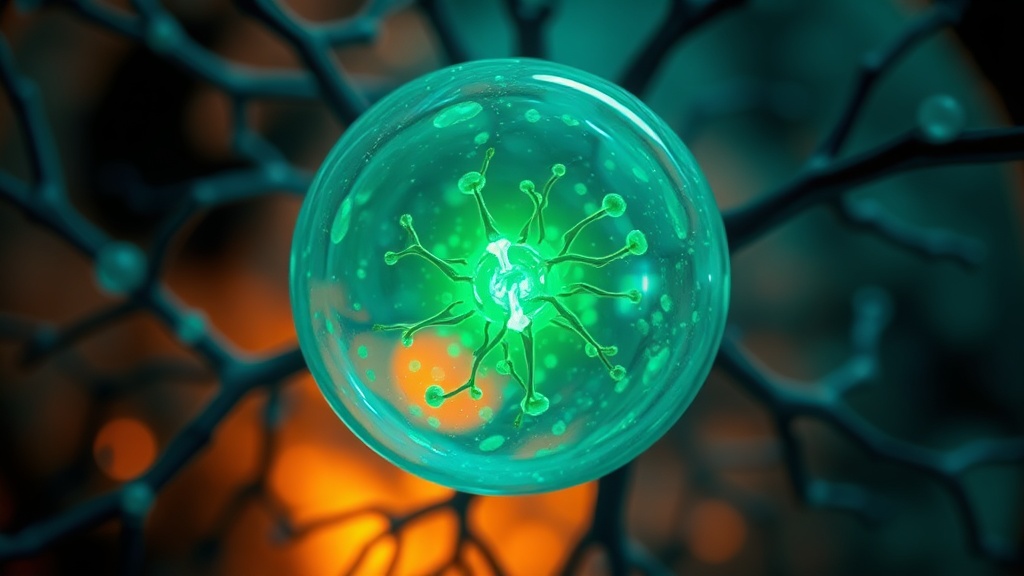
G protein-coupled estrogen receptor (GPER, also known as GPR30 or GPER1) is a seven-transmembrane receptor consisting of 375 amino acids that mediates estrogen's rapid non-genomic biological effects in neurons[1][2]. Unlike classical nuclear estrogen receptors (ERα and ERβ), GPER activates within seconds to minutes through intracellular signaling cascades, including the MAPK pathway and calcium release in neurons[3].
GPER is widely expressed in the brain — particularly in the hypothalamus-pituitary axis, hippocampus, and brainstem autonomic nuclei[3]. This distribution isn't random. These are precisely the regions most vulnerable to heat stroke injury.
Exertional heat stroke (EHS) is classified as a systemic inflammatory response syndrome that triggers multiple organ dysfunction, with the central nervous system bearing significant damage[1][5]. The cerebral cortex, hippocampus, and hypothalamus are the most susceptible brain regions[5]. Sex differences in EHS incidence have been documented, with estrogen emerging as a potential protective factor — but the specific receptor mechanism hadn't been explored in EHS until now.
The Han et al. 2026 Study: G1 in Exertional Heat Stroke#
Han, Wang, Guo et al. published their findings in Scientific Reports in March 2026, investigating whether the selective GPER agonist G1 could improve EHS-related brain injury in mice[1]. This is the first study to apply GPER activation specifically to EHS neurological damage.
Here's what they did. Twenty-four hours after EHS injury, the team conducted transcriptome sequencing of the mouse hippocampus. The sequencing revealed dramatically altered gene expression patterns, with increased expression of endoplasmic reticulum (ER) stress-related genes standing out as a central finding.
The ER stress pathway matters here because it's a relatively recently characterized apoptosis cascade. When the endoplasmic reticulum can't properly fold proteins — which happens under extreme thermal stress — it triggers what's called the unfolded protein response. If that response can't restore homeostasis, it pivots to apoptosis through specific markers: GRP78 (glucose-regulated protein 78), CHOP (C/EBP homologous protein), and caspase-12[1][2].
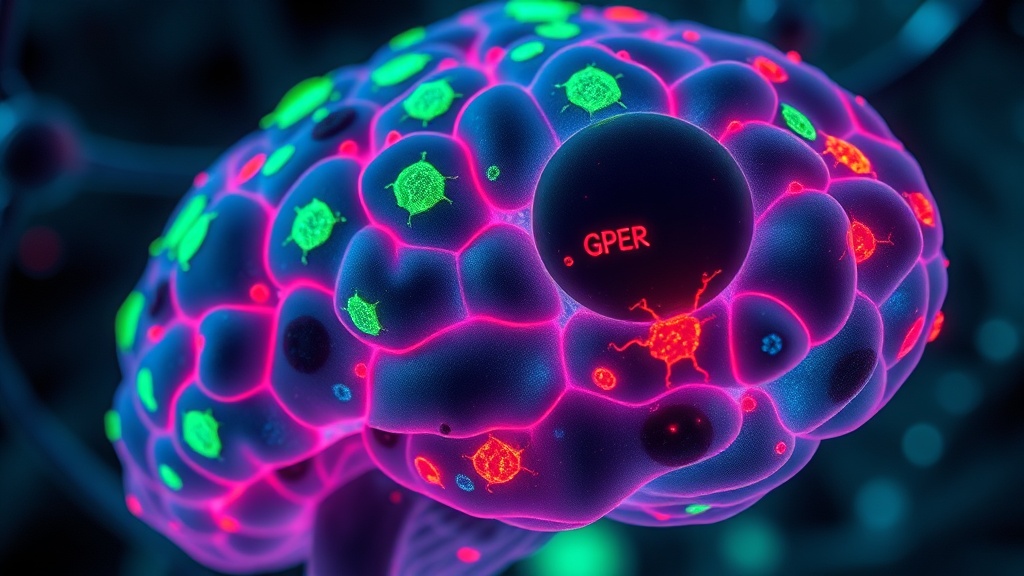
G1 activation of GPER reduced all three of these ER stress markers. The downstream effect: diminished neuronal apoptosis, improved survival rates, and — critically — enhanced cognitive abilities in the EHS mice. When the researchers administered the GPER blocker G15, the protective effects of G1 were abolished, confirming the mechanism runs directly through the GPER pathway[1].
Converging Evidence: GPER Neuroprotection Across Injury Models#
This EHS finding doesn't exist in isolation. The same lead author, Han Zi-Wei, published a 2019 study in Neural Regeneration Research demonstrating that G1 suppressed ER stress-mediated neuronal apoptosis after cerebral ischemia/reperfusion injury[2]. In that study, ovariectomized rats treated with G1 showed reduced expression of the same three proteins — GRP78, CHOP, and caspase-12 — and improved neurological function scores. The GPER blocker G15 again negated the protective effects.
The pattern is consistent. A 2024 study in Molecular Neurobiology showed G1 administration significantly reduced cerebral edema and blood-brain barrier disruption in traumatic brain injury (TBI) mice, while improving cognitive dysfunction and shifting microglial polarization from pro-inflammatory M1 to anti-inflammatory M2 phenotypes[4]. And in 2025, Gper1 knockout mice subjected to TBI displayed more severe cognitive impairments, increased brain edema, and aggravated neuroinflammation compared to wild-type controls[3].
Let me push back on something, though. Every one of these studies is preclinical. Mice and rats, intracerebroventricular injection, controlled laboratory conditions. The leap from "G1 injected directly into mouse brain ventricles reduces ER stress markers" to any actionable human intervention is enormous. I'd want to see pharmacokinetic data on systemic G1 administration, dose-response curves in larger animals, and at minimum a Phase I safety trial before getting excited about clinical translation.
The ER Stress–Apoptosis Axis: Why It's Central#
The endoplasmic reticulum stress pathway connects to autophagy pathways and mitochondrial dysfunction in ways that matter for anyone thinking about cellular resilience. Under EHS conditions, extreme heat directly damages mitochondria, generates excessive reactive oxygen species (ROS), and triggers intracellular oxidative stress[5]. This oxidative cascade overwhelms the ER's protein-folding capacity.
A parallel study by researchers published in Scientific Reports (2025) showed that rapamycin — an mTOR inhibitor — alleviated hypothalamic injury in EHS rats by activating mitophagy through the Pink1/Parkin pathway[5]. Rapamycin reduced ROS and malondialdehyde levels while enhancing mitochondrial membrane potential. The convergence of ER stress modulation (via GPER/G1) and mitophagy activation (via mTOR/Pink1/Parkin) suggests multiple intervention points exist in the EHS neuronal damage cascade.
The honest answer is we don't yet know how these pathways interact. Does GPER activation influence mitophagy? Does reducing ER stress secondarily preserve mitochondrial function? The mechanistic crosstalk hasn't been mapped.
Key ER Stress Proteins Reduced by G1 in EHS Mice
COMPARISON TABLE#
| Method | Mechanism | Evidence Level | Cost | Accessibility |
|---|---|---|---|---|
| GPER Agonist G1 | Activates GPER → reduces ER stress proteins (GRP78, CHOP, caspase-12) → suppresses neuronal apoptosis | Preclinical (mouse models only) | Research-grade compound; not commercially available for human use | Lab setting only; no approved formulation |
| Rapamycin (mTOR inhibition) | Inhibits mTOR → activates Pink1/Parkin mitophagy → clears damaged mitochondria | Preclinical (rat models) | ~$2–5/mg research grade; available as prescription drug (Sirolimus) | Prescription drug; off-label use theoretically possible |
| Rapid Cooling (standard of care) | Reduces core temperature → limits ongoing thermal damage to CNS | Strong clinical evidence; gold standard | Low (ice water immersion) | Immediately accessible in field settings |
| 17β-Estradiol (E2) | Activates multiple estrogen receptors including GPER → broad neuroprotective effects | Preclinical + limited clinical data | Low (generic HRT formulations) | Prescription; significant side-effect profile for non-indicated use |
| TUG-891 (GPR120 agonist) | Activates GPR120 → reduces ER stress via PI3K/AKT → inhibits apoptosis | Preclinical (ischemic stroke model) | Research-grade only | Lab setting only |
THE PROTOCOL#
Based on current preclinical evidence, there is no validated human protocol for GPER agonist G1 administration. The following is an evidence-informed framework for heat stroke brain injury prevention and mitigation using currently accessible interventions, informed by the mechanistic insights from this research.
Step 1: Prioritize Aggressive Cooling Within the First 30 Minutes. This remains the single most evidence-supported intervention. Cold water immersion (targeting water temperature of 2–10°C) should begin immediately when core temperature exceeds 40°C. The data on neuronal apoptosis cascades shows damage escalates rapidly — every minute of delay increases ER stress activation. Don't wait for paramedics. Start at 5 minutes immersion, not 2. The cooling curve doesn't meaningfully bend at 2.
Step 2: Support Endogenous Estrogen Signaling Through Training Periodization. While we can't administer G1, the research underscores that estrogen-mediated GPER activation is neuroprotective. For athletes and tactical populations, avoid training phases that suppress endogenous estrogen — particularly excessive caloric restriction combined with high-volume heat training. Relative energy deficiency in sport (RED-S) crashes estrogen levels and may strip away this protective pathway.
Step 3: Consider ER Stress-Modulating Nutritional Strategies. Several compounds have shown preclinical evidence of reducing ER stress markers. Tauroursodeoxycholic acid (TUDCA) at 250–500 mg daily has been studied as a chemical chaperone that assists protein folding in the ER. Omega-3 fatty acids activate GPR120, which Sun et al. (2025) showed mitigates ER stress via PI3K/AKT signaling in ischemic models[6]. These are not proven EHS interventions — but the mechanistic rationale exists.
Step 4: Monitor Core Temperature During Exertion in Hot Environments. Use an ingestible thermometer capsule or continuous tympanic monitoring during high-risk training. The cascade from thermal stress to ER stress to neuronal apoptosis has a temperature threshold. Staying below 39.5°C core temperature during exertion significantly reduces the probability of triggering the unfolded protein response in hippocampal neurons.
Step 5: Track Cognitive Function Post-Heat Exposure. The Han et al. study measured cognitive abilities in EHS mice as a primary endpoint[1]. For humans, use simple reaction time testing, trail-making tests, or HRV monitoring in the 24–72 hours after significant heat exposure events. Cognitive decline, even subtle, may indicate hippocampal stress that warrants extended recovery and medical evaluation.
Step 6: Watch for GPER-Targeted Therapeutics in Clinical Development. GPER represents a legitimate therapeutic target — Prossnitz and Barton characterized its role in health and disease back in 2011[4]. As selective GPER modulators enter clinical pipelines, athletes and military populations at high EHS risk should be among the first to benefit. Optimal dosing in humans is not yet established.
Related Video
What is GPER and how does it protect the brain during heat stroke?#
GPER (G protein-coupled estrogen receptor) is a membrane receptor that mediates estrogen's rapid signaling effects in neurons. In the Han et al. (2026) mouse study, activating GPER with the agonist G1 reduced endoplasmic reticulum stress proteins that trigger neuronal death after exertional heat stroke. This pathway operates independently of classical nuclear estrogen receptors, making it a distinct and potentially targetable mechanism.
Why do women appear to have lower rates of exertional heat stroke?#
Sex differences in EHS incidence have been documented, with estrogen identified as a potential contributing factor[1]. Estrogen activates GPER among other receptors, triggering neuroprotective cascades including reduced ER stress and suppressed inflammatory responses. However, I'm less convinced this fully explains the sex difference — behavioral factors, body composition, and thermoregulatory differences likely contribute alongside hormonal mechanisms.
How does endoplasmic reticulum stress cause brain damage in heat stroke?#
When extreme heat overwhelms the ER's protein-folding machinery, the unfolded protein response activates. If homeostasis can't be restored, the ER triggers apoptosis through upregulation of GRP78, CHOP, and caspase-12[1][2]. These proteins collectively activate caspase cascades that execute neuronal death, particularly in the hippocampus — which is why cognitive impairment is a hallmark of EHS survivors.
When might GPER agonists become available for human use?#
Honestly, we don't know yet. G1 has been studied preclinically since at least 2019 across multiple brain injury models, but no human clinical trials for neuroprotection have been registered as of early 2026. The compound would need to demonstrate acceptable pharmacokinetics with systemic administration, safety in Phase I trials, and efficacy in Phase II before clinical availability becomes realistic. That's likely a 5–10 year horizon at minimum.
How does this research compare to rapamycin for heat stroke brain protection?#
Both target different nodes in the EHS neuronal damage cascade. G1/GPER reduces ER stress-mediated apoptosis, while rapamycin activates mitophagy through mTOR/Pink1/Parkin to clear damaged mitochondria[5]. They may be complementary rather than competing approaches. Rapamycin has the advantage of being an existing approved drug (as Sirolimus), making off-label investigation more feasible than developing G1 for human use from scratch.
VERDICT#
Score: 6.5/10
The mechanistic story is clean and the data is internally consistent — G1 activates GPER, ER stress proteins drop, apoptosis decreases, mice survive longer and think better. The GPER blocker G15 reversal experiment is solid confirmatory work. And the convergence with prior GPER studies in ischemia and TBI models strengthens the biological plausibility.
But here's the thing. This is entirely murine data with intracerebroventricular drug delivery. That's not a protocol anyone can use. The sample sizes aren't reported in the abstract, the transcriptomics are descriptive rather than mechanistic, and we have zero pharmacokinetic data on systemic G1 delivery. I've seen too many promising preclinical neuroprotection targets fail at translation to score this higher.
What earns it points: GPER is a genuinely novel target for EHS specifically, the ER stress pathway is mechanistically sound, and the sex-difference angle has real clinical implications for understanding why some populations are more vulnerable. What holds it back: the distance between this preclinical work and anything actionable for human performance is measured in years, not months.
References
- 1.Han Z, Wang X, Guo J. GPER agonist G1 suppresses neuronal apoptosis mediated by endoplasmic reticulum stress after exertional heat stroke injury. Scientific Reports (2026). ↩
- 2.Han ZW, Chang YC, Zhou Y, Zhang H, Chen L, Zhang Y, Si JQ, Li L. GPER agonist G1 suppresses neuronal apoptosis mediated by endoplasmic reticulum stress after cerebral ischemia/reperfusion injury. Neural Regeneration Research (2019). ↩
- 3.Author(s) not listed. Gper1 inhibition exacerbates traumatic brain injury-induced neurological impairments in mice. Behavioral and Brain Functions (2025). ↩
- 4.Author(s) not listed. Activation of GPER-1 Attenuates Traumatic Brain Injury-Induced Neurological Impairments in Mice. Molecular Neurobiology (2024). ↩
- 5.Author(s) not listed. Rapamycin alleviates hypothalamic injury in exertional heat stroke rats by activating mitophagy through the mTOR/Pink1/Parkin pathway. Scientific Reports (2025). ↩
- 6.Sun P, Wei L, Qin X, Luo J, Fan D, Chen Y. The GPR120 agonist TUG-891 mitigates ischemic brain injury by attenuating endoplasmic reticulum stress and apoptosis via the PI3K/AKT signaling pathway. Neurotherapeutics (2025). ↩
Cira Renn
Cira writes with physical conviction — she's done this, she knows what it feels like, and she doesn't pretend otherwise. Her writing has visceral energy: 'Cold water at 10°C isn't a wellness trend. It's a physical confrontation.' She distinguishes between what the research shows and what she's experienced, and she'll tell you when they diverge.
View all articles →