Contrast Therapy Science: Hot-Cold Benefits & Protocol Guide

THE PROTOHUMAN PERSPECTIVE#
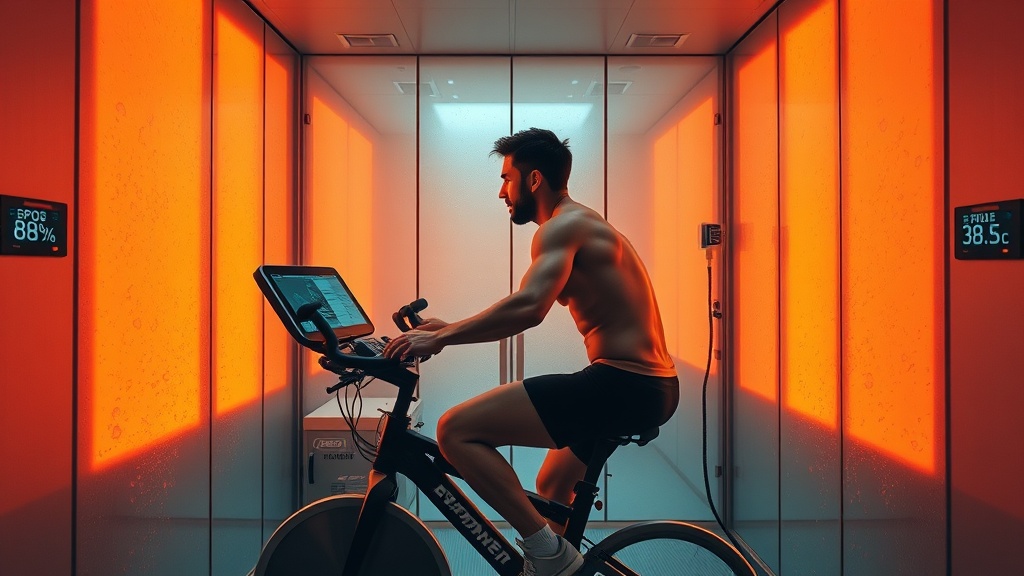
Your circulatory system wasn't designed for office chairs and climate-controlled rooms. It was built for thermal stress — for wading through cold rivers and sitting near fires. Contrast therapy reintroduces that oscillation, and the body responds like it's been waiting.
What makes this relevant right now isn't the ancient wisdom angle — every spa brand sells that narrative. It's that we're finally getting controlled trial data on what actually happens at the tissue level when you cycle between heat and cold. The vascular "pump" effect isn't metaphor. It's measurable perfusion change, quantified in a 2024 RCT published in Scientific Reports[1]. And the cold therapy market is projected to hit $426 million by 2030[2], which means the commercial pressure to validate — or debunk — these claims is accelerating.
For those of us building daily protocols around recovery and adaptive stress, contrast therapy sits at the intersection of accessibility and physiological potency. You don't need a prescription. You don't need a wearable. You need hot water, cold water, and the willingness to be uncomfortable.
THE SCIENCE#
What Actually Happens When You Alternate Hot and Cold#
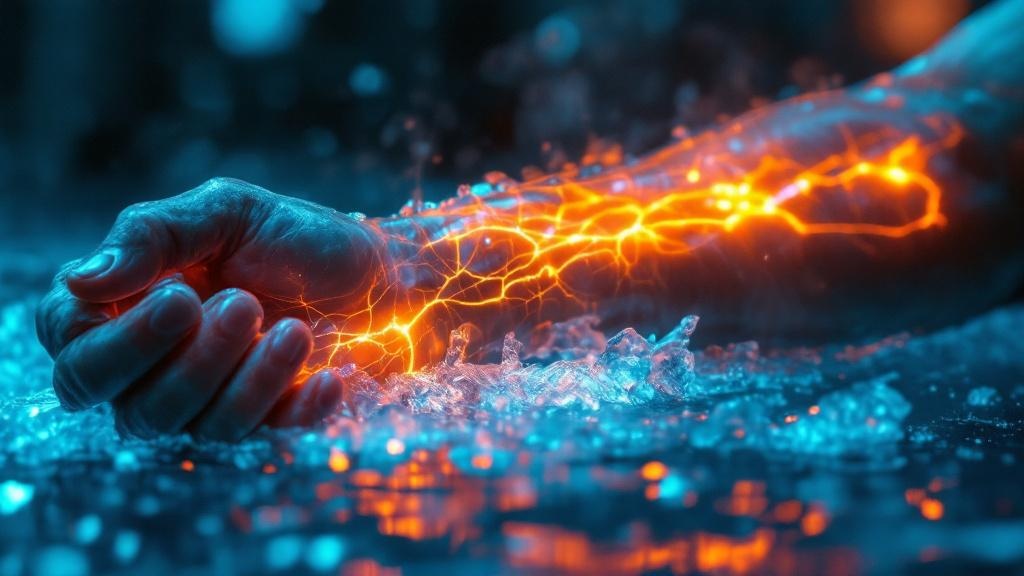
Contrast therapy is the deliberate alternation between heat exposure (sauna, hot water immersion) and cold exposure (cold plunge, cold water immersion). The core mechanism is straightforward: cold triggers vasoconstriction — the narrowing of blood vessels via muscular wall contraction — within seconds of exposure[3]. Heat reverses this through vasodilation, the relaxation and widening of those same vessels, increasing blood flow to oxygen-deprived tissues[4].
The repeated cycling between these two states creates a vascular pumping action. This isn't a gentle nudge. It's a forced oscillation that moves blood, lymphatic fluid, and metabolic waste products through tissues at rates that passive recovery can't match.
The 2024 RCT: What the Numbers Show#
The most controlled data we have comes from Serweta et al.'s 2024 randomized clinical trial in Scientific Reports, which compared cold-only, heat-only, contrast (alternating), and sham therapy in 40 combat sports athletes[1].
Here's what stood out. In the post-therapy measurement period, tissue perfusion (blood flow at the capillary level) was dramatically different across groups:
- Heat therapy group: 19.45 ± 0.91 PU
- Contrast therapy group: 18.71 ± 0.67 PU
- Sham/control group: 9.79 ± 0.35 PU
- Cold therapy group: 3.69 ± 0.93 PU
Both heat and contrast therapy nearly doubled tissue perfusion compared to control. Cold alone suppressed it — which is expected and not inherently bad, but it tells you something about the distinct physiological signatures of each modality.
For muscle tone, cold therapy produced significantly higher tension values (20.08 Hz) compared to heat (18.61 Hz) and contrast (18.95 Hz). The contrast group showed improved muscle elasticity relative to cold-only, suggesting the alternation may help avoid the excessive stiffening that pure cold exposure can produce.
Tissue Perfusion (PU) by Therapy Type — Post-Therapy
The Catch, Though#
Forty athletes is not a large sample. Ten per group. This is a single trial with a specific population (combat sports athletes with unique forearm loading patterns). I'd want to see this replicated in untrained populations, in older adults, in women specifically — before treating these perfusion numbers as universal truth.
The broader review by Kunutsor, Lehoczki, and Laukkanen in GeroScience (2024) synthesized evidence on cold water therapy across MEDLINE and EMBASE databases up to July 2024[5]. Their conclusion is honest: there is a breadth of modern scientific literature on cold water therapy's effects, but the evidence is "scattered and at times inconsistent." They position cold water therapy as having "untapped potential" for healthy aging — note the word potential, not proven.
Autonomic and Immune Cascades#
Beyond vascular mechanics, contrast therapy appears to engage the autonomic nervous system in ways that matter for HRV optimization and stress resilience. Cold exposure activates the sympathetic nervous system — your fight-or-flight axis. Heat exposure tips the balance toward parasympathetic dominance. Cycling between them may train autonomic flexibility, the capacity to shift rapidly between sympathetic and parasympathetic states.
There's also preliminary evidence suggesting cold exposure stimulates norepinephrine release, which has downstream effects on immune cell activity and inflammation modulation. But I want to be direct: most of this immune data comes from cold-only protocols (like the Wim Hof studies), not contrast therapy specifically. Extrapolating from cold immersion to contrast therapy assumes the cold component retains its immune effects when interspersed with heat. That assumption hasn't been rigorously tested.
Autophagy and Mitochondrial Efficiency — What We Don't Know Yet#
Some biohacking circles claim contrast therapy activates autophagy pathways and improves mitochondrial efficiency. The biological plausibility is there — thermal stress is a known autophagy trigger in animal models, and repeated hormetic stressors can upregulate mitochondrial biogenesis via PGC-1α activation. But the human evidence linking contrast therapy specifically to measurable autophagy markers or NAD+ synthesis is, honestly, not yet established. I've seen the claims. I haven't seen the controlled human data to back them.
COMPARISON TABLE#
| Method | Mechanism | Evidence Level | Cost | Accessibility |
|---|---|---|---|---|
| Contrast Therapy (Hot-Cold Cycling) | Cyclical vasodilation/vasoconstriction; vascular pump effect | 1 RCT (n=40); narrative reviews | $0 (DIY) to $129+/month (spa) | High — achievable at home with shower/tub |
| Cold Water Immersion Only | Vasoconstriction; norepinephrine release; reduced inflammation | Multiple RCTs; systematic reviews | $0–$5,000+ (plunge units) | High |
| Sauna Only (Finnish-style) | Vasodilation; heat shock protein activation; cardiovascular conditioning | Observational cohorts (Laukkanen et al.); some RCTs | $3,000–$10,000 (home unit) | Moderate |
| Whole-Body Cryotherapy (WBC) | Extreme cold exposure (−110°C); systemic anti-inflammatory response | Mixed RCT evidence; some negative trials | $50–$100/session | Low — clinic-only |
| Compression Therapy | Mechanical lymphatic drainage; reduced edema | Moderate RCT evidence | $200–$1,500 (device) | High (home devices available) |
THE PROTOCOL#
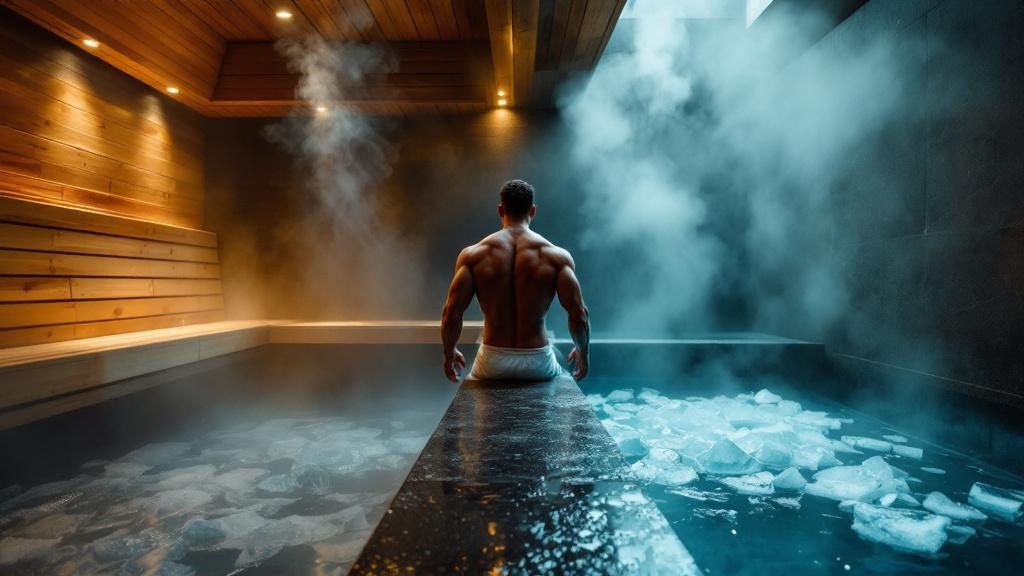
This is a contrast therapy protocol based on the available evidence and my own accumulated exposure data. Adapt the temperatures to your tolerance, but don't soften the durations. The adaptation window doesn't open if you bail early.
1. Pre-session hydration. Drink 500ml of water 30 minutes before starting. Thermal stress increases fluid loss. Dehydration blunts the vascular response you're trying to train.
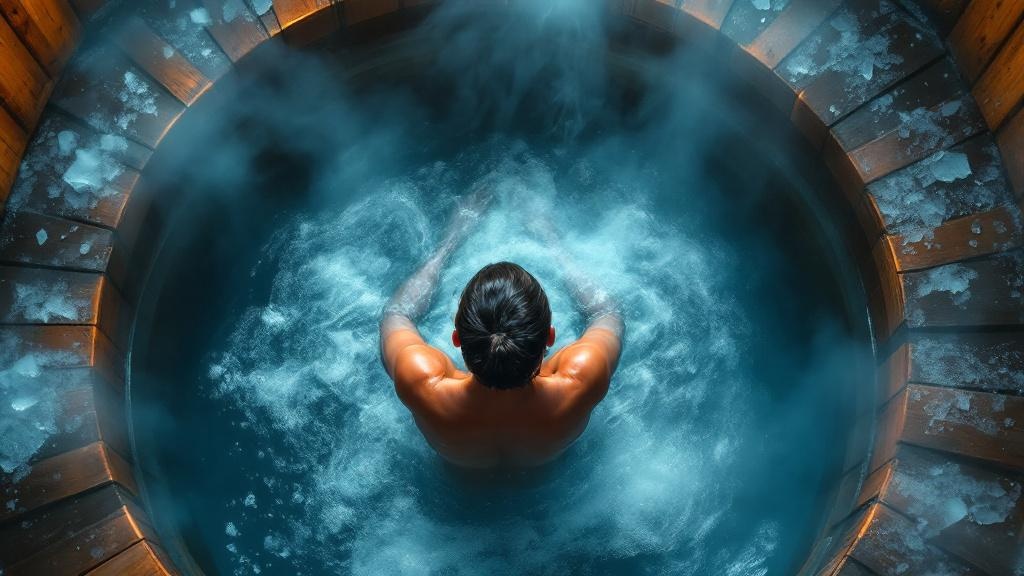
2. Cold plunge first — 3 minutes at 10–15°C. Start with cold. This is deliberate. Cold-first forces vasoconstriction when your baseline perfusion is normal, giving you maximum vascular range to work with. Water at 10°C isn't a wellness trend. It's a physical confrontation. Breathe through the first 45 seconds. Your body will try to exit. Don't.
3. Transition to heat — 5–7 minutes at 38–42°C (hot tub, sauna, or hot shower). The vasodilation response kicks in within 60–90 seconds. You'll feel the flush in your extremities. If using a sauna, aim for 80–90°C air temperature. If using hot water immersion, 40°C is the sweet spot.
4. Return to cold — 2 minutes at 10–15°C. Shorter than your first cold exposure. Your system is now primed, and the vasoconstriction response will be faster and more pronounced the second time.
5. Heat again — 5 minutes (sauna preferred). This is the deep vasodilation phase. Heart rate will elevate. If you're tracking HRV, this is where you'll see the most pronounced parasympathetic withdrawal.
6. Final cold plunge — 1–2 minutes. End on cold. Always. The final cold exposure locks in the vasoconstriction and leaves you with elevated norepinephrine and a clear-headed, alert post-session state. Ending on heat leaves you sluggish.
7. Rest and rewarm naturally for 10 minutes. Do not shower warm immediately. Let your body thermoregulate on its own. This is where autonomic flexibility training actually happens — in the recovery, not the exposure.
Frequency: 3–4 sessions per week based on current evidence. Daily is fine for adapted individuals, but start with 3x/week for the first two weeks. The papers don't capture what consistent daily contrast exposure does to your baseline threat response — I don't have a citation for that, just months of personal data showing a measurable shift in cold tolerance and resting HRV within 4 weeks.
Related Video
What is the ideal temperature range for contrast therapy?#
Cold exposure should target 10–15°C for meaningful vasoconstriction. Heat should be 38–42°C for water immersion or 80–90°C for dry sauna. Going below 10°C is possible for adapted individuals, but the incremental benefit over 10°C hasn't been clearly demonstrated in controlled settings. Start at 15°C if you're new to this.
How does contrast therapy differ from cold plunging alone?#
Cold-only immersion suppresses tissue perfusion — the Serweta et al. trial recorded perfusion values of 3.69 PU post-cold versus 18.71 PU post-contrast[1]. Contrast therapy adds the vasodilation phase, which creates the pumping mechanism that cold alone doesn't produce. You get the sympathetic activation from cold plus the enhanced blood flow from heat cycling.
Who should avoid contrast therapy?#
Anyone with uncontrolled hypertension, Raynaud's disease, active cardiovascular events, or cold urticaria should not attempt contrast therapy without physician clearance. Pregnancy is also a contraindication for the heat component. If you have a diagnosed arrhythmia, the rapid autonomic shifts may be problematic — get cleared first.
When is the best time to do contrast therapy — morning or evening?#
The final cold exposure elevates norepinephrine and cortisol, which promotes alertness. I'd recommend morning or early afternoon sessions. Evening contrast therapy, particularly ending on cold, may interfere with sleep onset for some people. If you must do it in the evening, end on heat instead and accept the trade-off.
Why is the evidence for contrast therapy still limited?#
Most thermal therapy research has focused on cold-only or heat-only interventions. Contrast therapy introduces protocol complexity — cycle duration, temperature differential, number of rounds, order of exposure — that makes standardization across studies difficult. As Kunutsor et al. noted, the evidence base is scattered and sometimes inconsistent[5]. We need larger, multi-site RCTs with standardized protocols.
VERDICT#
6.5 / 10
The physiology is sound. Cyclical vasoconstriction and vasodilation creates a measurable vascular training effect, and the Serweta et al. RCT gives us real numbers to work with. But one small trial in combat athletes doesn't constitute strong evidence for the broader claims — immunity, longevity, autophagy — that the wellness industry attaches to contrast therapy. I'm genuinely enthusiastic about the mechanism. I use this protocol. I believe in the subjective and objective improvements I've tracked. But the science isn't where the marketing says it is. Not yet. The potential is real; the proof is still catching up.
References
- 1.Serweta A, et al.. Acute effects of cold, heat and contrast pressure therapy on forearm muscles regeneration in combat sports athletes: a randomized clinical trial. Scientific Reports (2024). ↩
- 3.Author(s) not listed. Vasoconstriction. Cleveland Clinic (2025). ↩
- 4.Author(s) not listed. Vasodilation. StatPearls (2025). ↩
- 5.Kunutsor SK, Lehoczki A, Laukkanen JA. The untapped potential of cold water therapy as part of a lifestyle intervention for promoting healthy aging. GeroScience (2024). ↩
Cira Renn
Cira writes with physical conviction — she's done this, she knows what it feels like, and she doesn't pretend otherwise. Her writing has visceral energy: 'Cold water at 10°C isn't a wellness trend. It's a physical confrontation.' She distinguishes between what the research shows and what she's experienced, and she'll tell you when they diverge.
View all articles →