Cold Stress Impairs Cognition Before Hypothermia: New RCT Data

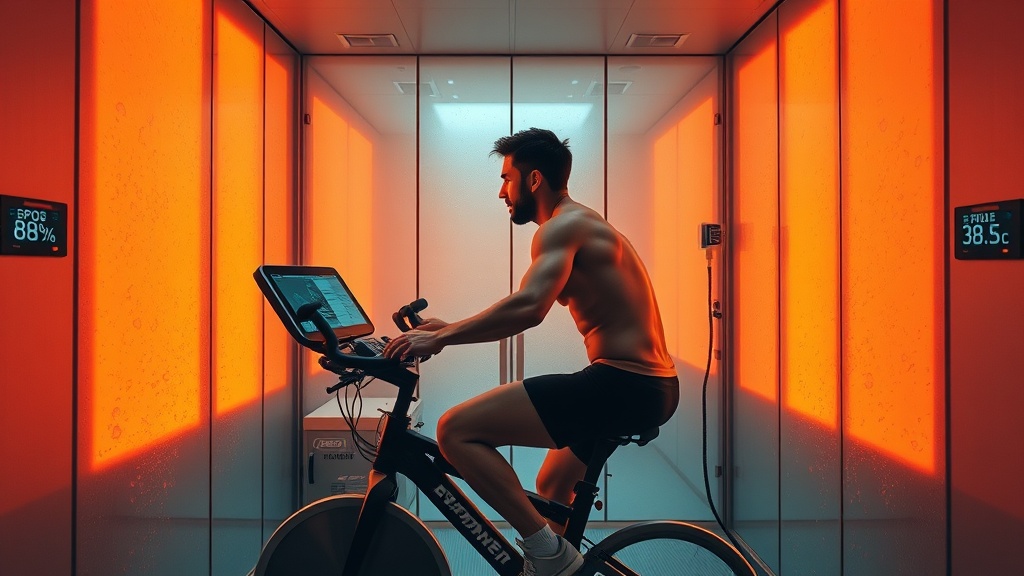
SNIPPET: Cold stress negatively impacts cognitive performance even before clinical hypothermia sets in. A 2026 randomized cross-over study by Falla et al. in Scientific Reports confirms that attention, processing speed, executive function, and memory degrade under cold exposure. Intentional cold protocols combining breathwork may partially offset these deficits, but uncontrolled cold stress remains a cognitive liability.
THE PROTOHUMAN PERSPECTIVE#
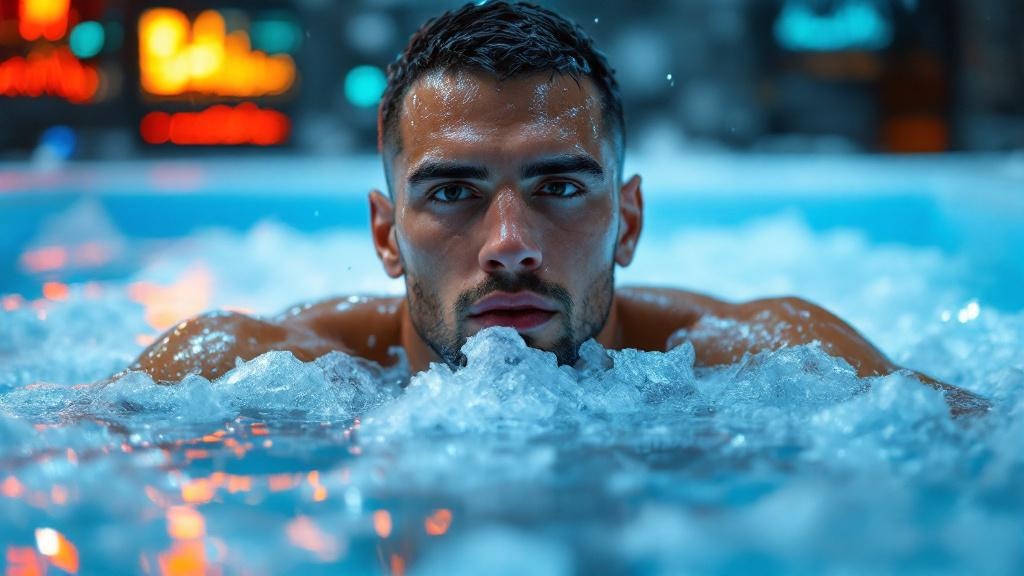
Cold exposure is having its cultural moment. Ice baths, cryo chambers, cold plunges in every biohacker's garage. The pitch is always the same — sharpen up, wake up, perform better. But the latest clinical data from Falla et al. (2026) throws a wrench into that narrative, or at least complicates it significantly. Uncontrolled cold stress doesn't sharpen cognition — it degrades it.
This matters for anyone treating cold exposure as a cognitive enhancer. The data separates two things the biohacking community has been conflating for years: the metabolic and hormetic benefits of deliberate cold (real, well-documented) and the assumed nootropic effects (far less supported). If you're optimizing for mental performance, the temperature of the water and the duration of your exposure aren't just comfort variables. They're cognitive variables. And getting them wrong means you're trading executive function for a dopamine spike. That trade-off deserves scrutiny, not marketing copy.
THE SCIENCE#
Cold Stress vs. Deliberate Cold: The Distinction That Matters#
Cold stress and deliberate cold exposure are not interchangeable terms, and the failure to distinguish between them has muddied this field for years. Falla et al. (2026), publishing in Scientific Reports, designed a randomized, controlled, cross-over study specifically to isolate the cognitive effects of cold stress in healthy volunteers [1]. The cross-over design is important here — each participant served as their own control, eliminating inter-individual variability that plagues between-subjects cold exposure research.
The study builds on the same lead author's earlier systematic review (Falla et al., 2021), which examined 18 studies on cold exposure and cognition [3]. That review found cognitive impairment in 15 of 18 experimental settings — and critically, the impairment appeared before core body temperature dropped to hypothermic thresholds. The cognitive hit comes faster than the thermal hit. That's the finding most cold plunge enthusiasts are not hearing.
Which Cognitive Domains Take the Hit?#
The domains most consistently degraded across the literature are attention and processing speed, executive function, and memory [3]. These aren't marginal cognitive tasks. Attention and processing speed govern your ability to track information in real time. Executive function is decision-making, task-switching, inhibition control. Memory consolidation is downstream of all of it.
In the 2026 cross-over trial, cold stress produced measurable decrements in these same domains in otherwise healthy adults [1]. This wasn't a study of mountaineers or extreme athletes — these were normal people exposed to controlled cold conditions. The implication is direct: if you're using cold exposure before knowledge work, a demanding meeting, or any task requiring sustained attention, the timing and intensity of your protocol may be working against you.
I've been doing deliberate cold exposure — primarily cold water immersion at 10–12°C — for over two years now. And I'll be honest: subjectively, I feel sharper after a cold plunge. The catecholamine surge is real. The alertness is real. But "feeling sharp" and "performing sharp" are not the same measurement. The Falla data makes that distinction with uncomfortable clarity.
The Breathwork Variable: Fox et al. (2025)#
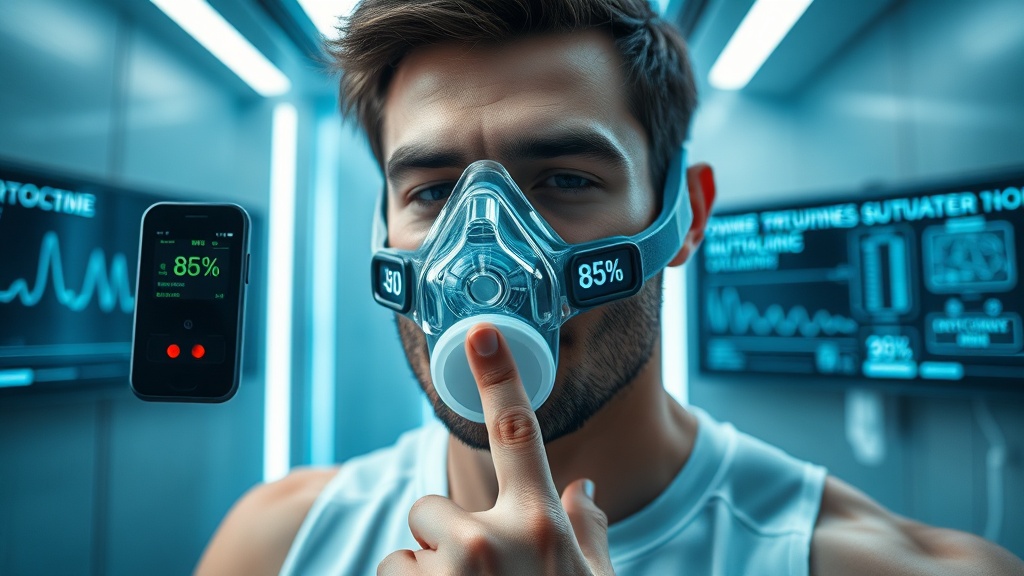
Here's where it gets complicated. A separate semi-randomized controlled trial by Fox, Biddell, and King (2025) studied 404 healthy adults using the Wim Hof Method — which combines cyclic hyperventilation breathwork with cold immersion — against a mindfulness meditation control [2]. The sample size alone makes this one of the largest controlled trials on deliberate cold protocols to date.
The WHM group showed improvements in psychophysiological outcomes compared to the meditation group over a 29-day intervention period. N = 404 across three arms (WHM in-person, WHM remote, and meditation) provides statistical power that most cold exposure studies simply lack [2].
But let me push back on the interpretation. The WHM protocol is not cold exposure alone. It's cold exposure layered with a specific breathwork pattern that induces transient respiratory alkalosis and sympathetic activation before the cold stimulus. You cannot attribute the cognitive or psychological benefits to cold alone — the breathwork is a confound, and a big one. The Falla et al. data, which isolates cold stress without breathwork, shows cognitive decline. The Fox et al. data, which bundles cold with breathwork, shows improvement. The mediating variable is almost certainly the breathwork, not the cold.
Metabolic Upside Remains Clear#
Meanwhile, the metabolic case for cold acclimation keeps strengthening. Sellers et al. (2024) published in Nature Metabolism showing that cold acclimation with shivering improved insulin sensitivity in adults with overweight or obesity [4]. The mechanism involves enhanced mitochondrial efficiency in skeletal muscle and increased brown adipose tissue activation. This is well-established physiology — cold-induced thermogenesis upregulates UCP1, drives fatty acid oxidation, and appears to improve glucose disposal independent of exercise.
So the metabolic benefits are solid. The cognitive benefits? Far less certain, and likely dependent on protocol specifics that most practitioners are not controlling for.
Cold Exposure Studies: Cognitive Impairment Rate by Domain
COMPARISON TABLE#
| Method | Mechanism | Evidence Level | Cost | Accessibility |
|---|---|---|---|---|
| Cold Water Immersion (uncontrolled) | Sympathetic activation, catecholamine surge, peripheral vasoconstriction | RCT-supported for metabolic effects; cognitive data shows impairment [1][3] | $0–$50/session | High (ice bath, cold shower) |
| Wim Hof Method (breathwork + cold) | Cyclic hyperventilation → alkalosis → cold immersion; combined autonomic modulation | Semi-RCT, N=404; psychophysiological improvements observed [2] | $0–$300 (course fees) | Moderate (requires training) |
| Cold Air Exposure (clinical) | Ambient cold air cooling; thermoregulatory suppression tested | Double-blind RCT, N=15; effective cooling method validated [5] | Research setting only | Low (clinical only) |
| Cold Acclimation (shivering protocol) | Brown adipose tissue activation, UCP1 upregulation, insulin sensitization | Published in Nature Metabolism; metabolic improvements confirmed [4] | Research setting only | Low (requires monitored acclimation) |
| Cryotherapy Chamber | Whole-body cold air exposure (−110°C, 2–3 min) | Mixed evidence; no RCT showing cognitive enhancement | $50–$100/session | Moderate (requires clinic) |
THE PROTOCOL#
If you're using cold exposure and want to protect — or even enhance — cognitive performance, here's how I'd structure it based on the current data.
Step 1: Separate your cold exposure from cognitive work by at least 60–90 minutes. The Falla et al. data shows impairment during and immediately after cold stress [1]. The catecholamine rebound and perceived alertness typically peaks 30–60 minutes post-exposure. Schedule cold sessions in the morning only if your demanding cognitive work starts mid-morning or later.
Step 2: Pair cold immersion with structured breathwork before entry. The Fox et al. (2025) data suggests the WHM-style cyclic hyperventilation (30 deep breaths, breath hold, repeat 3 rounds) performed immediately before cold immersion may buffer the cognitive cost of the cold stimulus [2]. Don't skip this. It's not a warm-up ritual — it's a physiological primer.
Step 3: Control your water temperature. Start at 10–15°C, not lower. The systematic review data shows cognitive impairment scaling with cold intensity, even before core temperature drops [3]. Colder is not better for cognition. Stay in the range where you achieve sympathetic activation without overwhelming the prefrontal cortex.
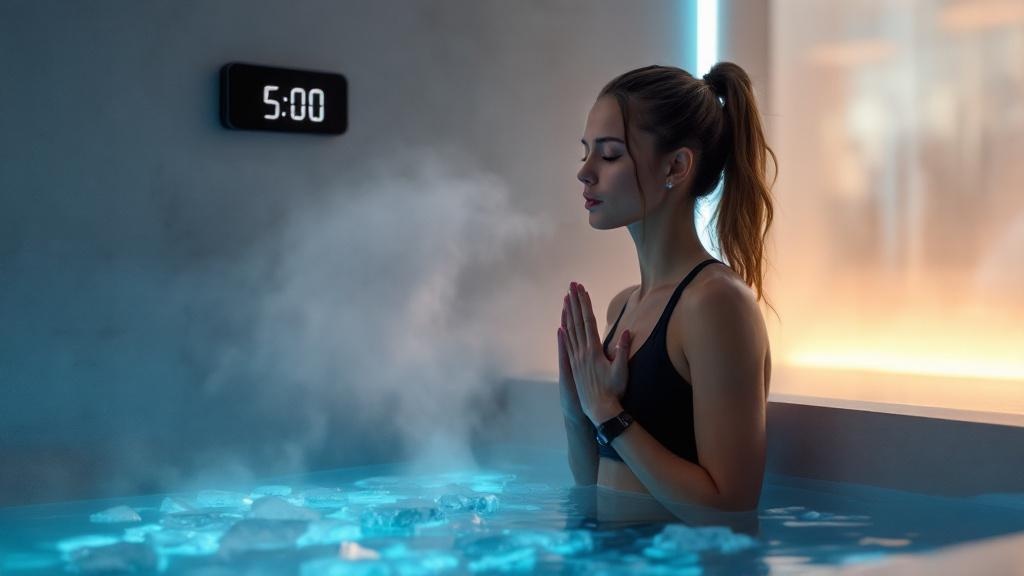
Step 4: Limit immersion to 5 minutes maximum for cognitive protection. I know — the internet says 11 minutes per week. That's a metabolic target from the Huberman synthesis, not a cognitive target. For cognitive performance, shorter exposures with breathwork pre-loading appear safer.
Step 5: Track your HRV before and after cold sessions using a chest strap monitor (Polar H10 or equivalent). HRV optimization requires data. If your RMSSD drops more than 15% in the hour following cold exposure and stays suppressed, your autonomic system is reading the cold as a threat, not a hormetic stimulus. Reduce temperature or duration.
Step 6: For metabolic goals (insulin sensitivity, brown fat activation), follow the Sellers et al. acclimation model — repeated cold exposures over 10+ days at shivering threshold [4]. This is a separate protocol from the cognitive one. Don't conflate them.
Related Video
What cognitive functions are most affected by cold stress?#
Attention, processing speed, executive function, and memory are the domains most consistently impaired. Falla et al.'s systematic review found impairment in 15 of 18 experimental settings, and these three domains took the hardest hit [3]. The degradation occurs before hypothermia — your brain slows down before your core temperature does.
How does the Wim Hof Method differ from standard cold immersion?#
The WHM combines cyclic hyperventilation breathwork with cold water immersion — it's a dual-stimulus protocol. Fox et al. (2025) tested this in 404 subjects and found psychophysiological improvements that standard cold-only protocols don't reliably produce [2]. The breathwork component likely drives the cognitive and psychological benefits, not the cold itself.
Why does cold exposure feel cognitively enhancing if the data shows impairment?#
The catecholamine surge — norepinephrine increases up to 200–300% during cold immersion — produces a subjective sense of alertness and focus. But subjective alertness and objective cognitive performance diverge under cold stress. You feel sharper. You test worse. This is the central paradox the Falla et al. (2026) data illuminates [1].
When should I schedule cold exposure relative to cognitive work?#
Based on current evidence, allow 60–90 minutes between cold exposure and any demanding cognitive task. The acute impairment window appears to track with peripheral rewarming and autonomic recovery. Pair with breathwork before immersion and keep sessions at 5 minutes or under for cognitive safety.
Who should avoid cold exposure for cognitive enhancement?#
Anyone using cold exposure as a pre-work nootropic without breathwork pairing is likely getting the opposite of what they want. The data doesn't support cold-only protocols for cognitive enhancement in any population studied to date [1][3]. If cognition is your primary target, breathwork alone may be more effective — and the cold becomes an optional metabolic add-on.
VERDICT#
Score: 6.5/10
The Falla et al. (2026) cross-over trial is methodologically sound and confirms what the 2021 systematic review suggested: cold stress impairs cognition before it impairs thermoregulation. That's a clean, reproducible finding. The Fox et al. breathwork-plus-cold trial adds an important nuance with strong statistical power (N=404), but its semi-randomized design and inability to isolate cold from breathwork weaken the cold-specific conclusions.
Here's my honest take: the biohacking community has been treating cold exposure as a cognitive sharpener based on the subjective catecholamine high, not on performance data. This research corrects that. Cold remains a powerful metabolic and hormetic tool. But if you're optimizing for what happens between your ears during a workday, the protocol matters far more than the temperature. Breathwork is doing the heavy lifting. The cold is the sizzle, not the steak.
I'd want to see the Falla cross-over trial replicated with a breathwork-paired condition before changing my personal protocol. Until then, I'm keeping my cold sessions short and timed well away from deep work.
References
- 1.Falla M, Masè M, Dal Cappello T, Micarelli A, van Veelen MJ, Roveri G, Brugger H, Hüfner K, Strapazzon G. Cold stress impacts cognitive performance in healthy volunteers: results from a randomized, controlled, cross-over study. Scientific Reports (2026). ↩
- 2.Fox N, Biddell H, King J. A semi-randomised control trial assessing psychophysiological effects of breathwork and cold immersion. Scientific Reports (2025). ↩
- 3.Falla M, Micarelli A, Hüfner K, Strapazzon G. The Effect of Cold Exposure on Cognitive Performance in Healthy Adults: A Systematic Review. International Journal of Environmental Research and Public Health (2021). ↩
- 4.Sellers AJ, van Beek SMM, Hashim D, Baak R, Pallubinsky H, Moonen-Kornips E, Schaart G, Gemmink A, Jörgensen JA, van de Weijer T, Kalkhoven E, Hooiveld GJ, Kersten S, Schrauwen P, Hanssen MJW. Cold acclimation with shivering improves metabolic health in adults with overweight or obesity. Nature Metabolism (2024). ↩
- 5.Helland AM, Mydske S, Assmus J, Brattebø G, Wiggen Ø, Kvidaland HK, Thomassen Ø. Experimental hypothermia by cold air: a randomized, double-blind, placebo-controlled crossover trial. Scandinavian Journal of Trauma, Resuscitation and Emergency Medicine (2025). ↩
Cira Renn
Cira writes with physical conviction — she's done this, she knows what it feels like, and she doesn't pretend otherwise. Her writing has visceral energy: 'Cold water at 10°C isn't a wellness trend. It's a physical confrontation.' She distinguishes between what the research shows and what she's experienced, and she'll tell you when they diverge.
View all articles →