Chronopsychiatry: Circadian Biomarkers Transform Mental Health

THE PROTOHUMAN PERSPECTIVE#
The 24-hour cycle isn't a lifestyle preference. It's architecture. Every cell in your body runs on a clock built from CLOCK, BMAL1, PER, and CRY gene loops — and when that architecture fractures, so does cognition, mood regulation, and metabolic stability. What makes chronopsychiatry different from the usual "fix your sleep hygiene" advice is that it treats circadian disruption not as a symptom of psychiatric illness, but as a cause and a measurable diagnostic signal.
For those of us optimizing performance, this reframe is significant. It means your HRV data, your skin temperature curves, your actigraphy — all of it carries psychiatric signal. The shift from subjective questionnaires to continuous wearable biomarkers brings psychiatry closer to the kind of precision we've seen in metabolic medicine. This is psychiatry finally catching up to physiology. And it opens a door to interventions — light therapy, timed melatonin, even engineered cells that release drugs in sync with your circadian phase — that work with your biology instead of steamrolling it.
THE SCIENCE#
What Chronopsychiatry Actually Is#
Chronopsychiatry is the clinical and research framework that examines psychiatric illness through the lens of circadian rhythm function [1]. It's not a subspecialty in the traditional sense — it's more a diagnostic philosophy. The core premise: circadian dysregulation is both a marker for and a mechanistic driver of neuropsychiatric conditions, from major depressive disorder to bipolar disorder to ADHD.
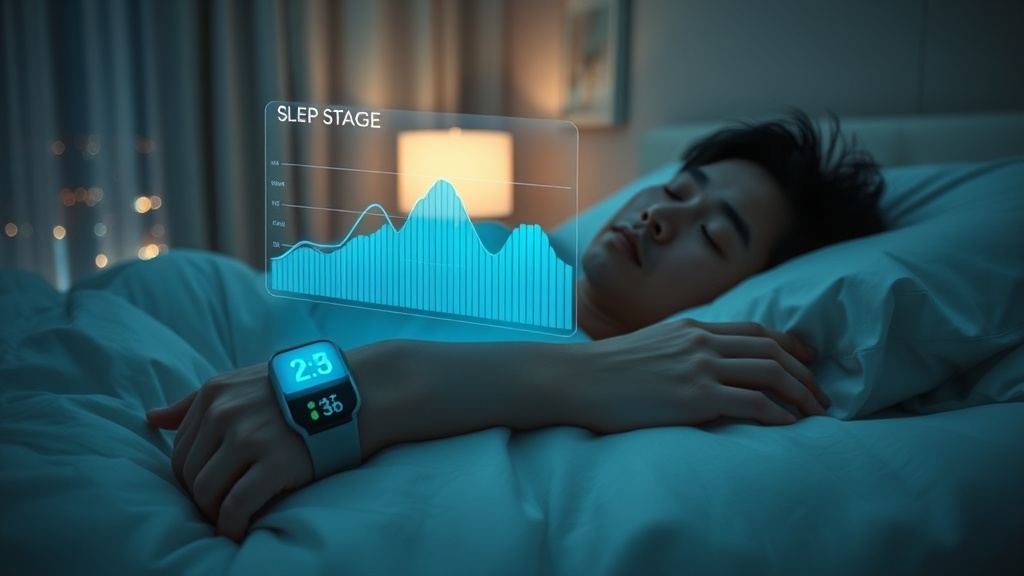
The field has been given teeth by two converging developments. First, wearable devices now record continuous 24-hour circadian parameters — activity levels, heart rate variability, skin temperature, and ambient light exposure — with enough fidelity to distinguish mood states. Second, computational approaches, including AI-based algorithms, can extract clinically meaningful patterns from that data [1].
This matters because psychiatry has historically relied on self-reported symptoms, which are noisy and lag behind actual state changes. Circadian biomarkers, by contrast, shift in real time.
Five Chronotype Subtypes — Not Two#
Here's where I want to slow down, because this finding from the UK Biobank data genuinely changed how I think about chronotype.
A supervised pattern-learning framework applied across three brain-imaging modalities and deep behavioral profiling of 27,030 UK Biobank participants identified five distinct, biologically valid chronotype subtypes — not the traditional morning-versus-evening binary [3]. Each subtype demonstrated unique patterns across brain structure, behavioral tendencies, and health risk profiles. External validation in 10,550 US children from the ABCD Study cohort replicated sex-associated brain-behavioral patterns and revealed reversed age distributions, suggesting these subtypes may begin diverging early in life.
This is a direct challenge to every chronotype questionnaire that bins people into "lark" or "owl." The real landscape is far more granular. And the psychiatric implications are specific to subtype — not just to whether you prefer mornings or evenings.
Eveningness and Psychiatric Risk: The Dose-Response Picture#
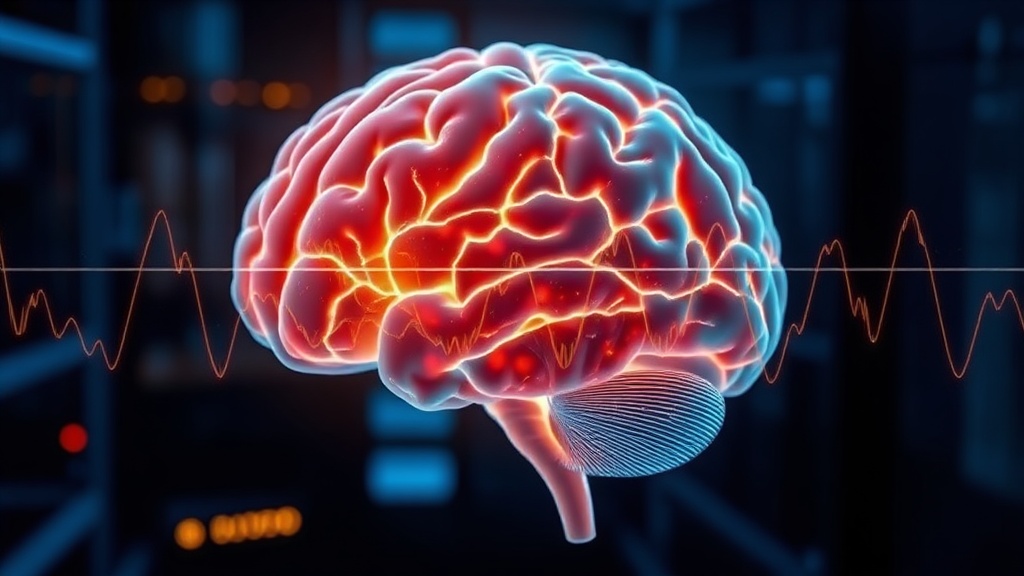
A cross-sectional study of 428 participants (ages 18–70) using regression analyses and generalized additive models mapped the relationship between chronotype and 11 validated psychiatric symptom scales [5]. Eveningness was associated with, in decreasing order of effect size: emotion dysregulation, ADHD symptoms, depression, autism traits, emotional instability, generalized anxiety, social anxiety, and impulsivity.
Morningness, by contrast, was associated only with mania symptoms.
— Actually, I want to rephrase that. The association between morningness and mania is worth noting, but it's the only psychiatric domain where morning types showed higher symptom burden. Across every other measure, morningness appeared protective. And in older adults, eveningness was associated with higher levels of autism traits, social anxiety, and delusional ideation — symptoms that didn't attenuate with age the way emotional instability did [5].
The catch, though: this was cross-sectional. We can't say eveningness causes these symptoms. What we can say is that circadian preference is a transdiagnostic variable that cuts across nearly every psychiatric domain measured.
Chronogenetic Drug Delivery: The Synthetic Biology Angle#
This is the part that reads like science fiction but has actual preclinical validation. Chronogenetic drug delivery uses engineered cells — essentially living bio-pharmacies — that couple therapeutic gene expression to core clock gene promoters like Per2 [4]. The result: autonomous, circadian-synchronized drug release without external timing cues.
Key design strategies include dual-response circuits that integrate circadian signals and disease signals using Boolean OR-gate logic. In animal models, implanted circuits entrained to the host's central clock, validating the concept [4]. Target applications include inflammatory disorders, cancer chronoimmunotherapy, and metabolic and cardiovascular diseases.
I'm less convinced by the near-term clinical applicability here than the review suggests. The jump from "implanted circuits entrained to host clock in mice" to "personalized chronogenetic medicine in humans" is enormous. But as a proof of concept for circadian-aligned therapeutics, it's the most interesting engineering I've seen in this space.
Chronotherapeutics: What Actually Has Clinical Trial Data#
A narrative review of recent clinical trials found that the preponderance of evidence in chronotherapeutics centers on bright light therapy for depression [2]. There is emerging — but preliminary — data on chronotherapeutics for bipolar disorder and PTSD.
The honest assessment: the current evidence base is limited by small sample sizes and a narrow focus on depression. The review explicitly calls for larger-scale trials to refine protocols and develop personalized approaches [2]. I'm suspicious of any protocol recommendation built on studies with fewer than 50 participants in a sleep-related intervention — the interindividual variance in circadian response is just too high to draw confident conclusions from small cohorts.
That said, the mechanism is sound. Light exposure modulates the suprachiasmatic nucleus, which governs cortisol secretion timing, melatonin onset, and downstream NAD+ synthesis cycles. Therapies that entrain or phase-shift the circadian system can stabilize sleep-wake rhythms and improve alignment between the internal clock and the external environment [1][2].
Psychiatric Symptom Associations with Eveningness
COMPARISON TABLE#
| Method | Mechanism | Evidence Level | Cost | Accessibility |
|---|---|---|---|---|
| Bright Light Therapy (10,000 lux) | SCN entrainment via retinal melanopsin pathways; shifts circadian phase | Multiple RCTs, strongest in depression | $30–$150 for lamp | High — home-based |
| Melatonin (exogenous) | Phase-shifting via MT1/MT2 receptor agonism; enhances dim-light melatonin onset | Moderate — variable trial quality | $5–$30/month | High — OTC in most countries |
| Wearable Circadian Monitoring | Continuous actigraphy, HRV, skin temp; AI-pattern recognition for mood state detection | Observational/diagnostic — not yet therapeutic standard | $200–$500 device | Moderate — requires clinical interpretation |
| Chronogenetic Drug Delivery | Per2-driven therapeutic gene circuits in engineered cells; autonomous circadian drug release | Preclinical only (animal models) | Unknown — research stage | Very Low — lab only |
| Standard Psychiatric Pharmacotherapy | Receptor modulation (SSRIs, mood stabilizers); no circadian alignment | Extensive RCT base across disorders | $10–$300/month | High — prescription-based |
THE PROTOCOL#
Based on the current evidence, here is a circadian optimization protocol. I want to be clear: some of these steps are well-supported, others are early-data extrapolations. I'll flag which is which.
Step 1: Establish your circadian phenotype. Use a validated chronotype assessment — the Reduced Morningness-Eveningness Questionnaire (rMEQ) is a good starting point [5]. Better yet, wear an actigraphy-capable device (Oura, Apple Watch, Whoop) for 14 consecutive days and track activity patterns, HRV, and skin temperature across the full 24-hour cycle. This gives you a baseline circadian signature that no questionnaire can match.
Step 2: Quantify your dim-light melatonin onset (DLMO). This is the gold-standard circadian phase marker. Home saliva collection kits exist, though clinical-grade DLMO measurement is ideal. Your DLMO tells you when your biological night actually begins — which is often not when you think it is.
Step 3: Calibrate morning light exposure. Within 30 minutes of waking, expose yourself to bright light — ideally natural sunlight (10,000+ lux) for 20–30 minutes. If natural light isn't available, use a clinical-grade light therapy box positioned at eye level, 16–24 inches from the face [2]. This is the single best-supported circadian intervention for mood and phase alignment.
Step 4: Time melatonin supplementation relative to DLMO — not bedtime. If using exogenous melatonin for phase advancement, take 0.5–3mg approximately 5 hours before your measured DLMO [2]. The common mistake is dosing at bedtime; that's too late for phase-shifting and just provides a sedative effect.
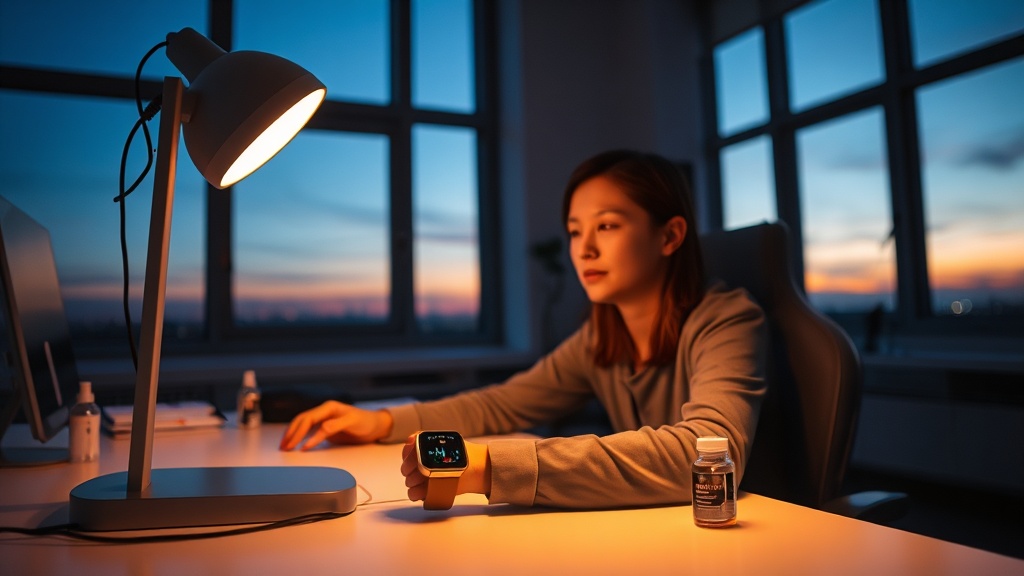
Step 5: Enforce an evening light curfew. Block blue and green spectrum light (below 530nm) starting 2–3 hours before target sleep onset. Blue-light blocking glasses work; dimming screens to warm tones and reducing ambient room lighting works better in combination.
Step 6: Monitor and iterate. Track your response over 4–6 weeks using the same wearable metrics from Step 1. Look for shifts in rest-activity rhythm regularity, HRV optimization during sleep windows, and subjective mood stability. The precision potential of chronopsychiatry stems from the uniqueness of individual circadian response — what works for one chronotype subtype may not work for another [1][3].
Step 7: Consult a circadian-informed clinician for psychiatric symptoms. If you're managing depression, bipolar disorder, or ADHD, the evidence suggests circadian alignment should be part of your treatment plan, not a replacement for it [2]. Chronotherapeutics work best as adjuncts, and dosing timing of existing psychiatric medications may benefit from circadian alignment.
Related Video
VERDICT#
Score: 7/10
The science here is real and the direction is right. Circadian biomarkers from wearables represent a genuine advance in psychiatric diagnostics — objective, continuous, and scalable. The five-subtype chronotype finding from UK Biobank is the most novel contribution and has immediate implications for how we stratify patients. Bright light therapy for depression has the strongest trial support among chronotherapeutics, though the evidence base remains thinner than I'd like, particularly outside of depression.
Where I dock points: the chronogenetic drug delivery angle is exciting engineering but remains firmly preclinical. And the field's reliance on small cohorts and cross-sectional designs limits the causal claims anyone can honestly make. Chronopsychiatry has the framework and the tools. What it still needs is the large-scale, longitudinal, replicated evidence to move from promising to prescriptive.
Frequently Asked Questions5
References
- 1.Author(s) not listed. The Role of Chronopsychiatry in Precision Medicine: Circadian Dysregulation as Diagnostic Marker and Therapeutic Target. Current Sleep Medicine Reports (2026). ↩
- 2.Author(s) not listed. Chronotherapeutic Treatments for Psychiatric Disorders: A Narrative Review of Recent Literature. Current Psychiatry Reports (2025). ↩
- 3.Author(s) not listed. Latent brain subtypes of chronotype reveal unique behavioral and health profiles across population cohorts. Nature Communications (2025). ↩
- 4.Kumar V, Bharti N, Mukherjee S, Das S, Das D, Kashyap D, Kumar M. Chronogenetic medicine: principles, engineering, and applications of circadian-based drug delivery systems. Biological Rhythm Research (2025). ↩
- 5.Author(s) not listed. Associations between chronotype and psychiatric symptoms across the adult lifespan. Translational Psychiatry (2025). ↩
Yuki Shan
Yuki writes with measured precision but genuine intellectual frustration when the data is messy. She uses long, careful sentences for complex mechanisms, then cuts to very short ones for emphasis: 'That's the problem.' She's comfortable saying 'I'm not sure this matters clinically' even when the statistics look impressive. She'll sometimes restart a line of reasoning mid-paragraph: '— actually, I want to rephrase that.' She's suspicious of studies with small sleep cohorts and says so.
View all articles →