Balneotherapy for Stress, Anxiety, Depression: RCT Results

SNIPPET: Balneotherapy — therapeutic immersion in mineral-rich thermal waters combined with peloid treatments and climate exposure — reduced stress by 46%, depression by 54%, and sleep impairment by 49% in an 11-day inpatient program, with effects persisting up to six months, according to a 2026 multicenter RCT of 243 adults.
Balneotherapy for Stress, Anxiety, and Depression: What a 243-Person RCT Actually Shows
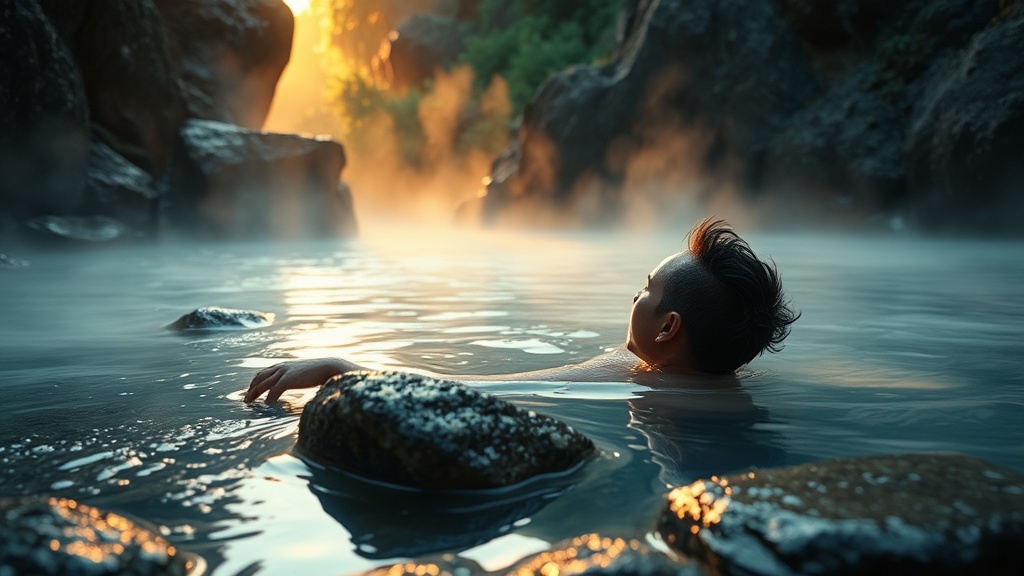
Balneotherapy is the medical use of natural mineral waters, peloids (therapeutic muds), and climate exposure for prevention, treatment, and rehabilitation of health conditions. It matters because chronic stress now drives a cascade of downstream dysfunction — from HPA axis dysregulation to impaired sleep architecture to accelerated biological aging — and most pharmaceutical interventions carry tolerance and dependency risks. A March 2026 multicenter randomized controlled trial (N = 243) found that an 11-day inpatient balneotherapy protocol reduced perceived stress by 46% and depression scores by 54%, with effects sustained at six months [1]. The approach is already embedded in European integrative medicine — Lithuania alone operates six dedicated medical spa centers used in this trial — and a parallel Hungarian meta-analysis of 18 studies confirms balneotherapy's efficacy for pain and quality of life outcomes [2].
THE PROTOHUMAN PERSPECTIVE#
Here's what I find compelling about this data, and it's not the stress reduction numbers in isolation. It's the durability. Most non-pharmacological interventions for stress and anxiety show acute benefits that vanish within weeks. This trial tracked participants for six months and found sustained reductions of 31% in stress and 27% in anxiety. That's not a spa weekend glow. That's a measurable shift in baseline nervous system regulation.
For anyone building a serious stress-management stack, this changes the math. We spend enormous energy optimizing supplements, breath protocols, and HRV training — all valid — but an 11-day structured water immersion protocol with this kind of persistence deserves a harder look. The fact that it also moved salivary cortisol, not just self-reported scores, tells me the physiological signal is real. I've spent time in thermal waters across Eastern Europe, and what the papers describe aligns with what the body registers: something shifts in the autonomic baseline that doesn't reset immediately. Whether that's mineral transdermal absorption, hydrostatic pressure effects, or simple parasympathetic dominance from sustained warm immersion — probably all three — the outcome data is now harder to dismiss.
THE SCIENCE#
Trial Design and Population#
The primary study, published March 17, 2026 in BMC Complementary Medicine and Therapies, used a multicenter, randomized, controlled, single-blinded parallel-group design across six Lithuanian medical spa centers [1]. Two hundred forty-three adults aged 18–65 with moderate to high perceived stress were randomized into four groups:
- 11ABT: 11 days ambulatory balneotherapy
- 11ABTNT: 11 days ambulatory balneotherapy plus nature therapy
- 11BTS: 11 days inpatient balneotherapy
- 11C: Control group
Assessments occurred at baseline, post-intervention, 3 months, and 6 months. Primary outcomes included the PSS-10 (perceived stress), salivary cortisol, STAI-5 (anxiety), and CESD-R (depression). Secondary outcomes covered fatigue (FAS), sleep quality (SQS), functional adaptation (WSAS), integrative well-being, and cognitive performance.
This is a well-structured trial. Single-blinded to researchers, multicenter, with a six-month follow-up window. Not perfect — I'll get to the limitations — but substantially more rigorous than most balneotherapy research.
The Numbers That Matter#
The inpatient group (11BTS) delivered the strongest short-term effects across all primary outcomes:
- 46% reduction in stress intensity
- 54% reduction in depression (CESD-R)
- 49% reduction in sleep impairment
All intervention groups showed statistically significant improvements compared to baseline (p < 0.001), with medium to very large effect sizes [1]. That p-value alone isn't what impresses me — large effect sizes in a controlled design with adequate sample size per arm is what separates this from the typical small-n spa studies.
But here's where it gets interesting. At six months post-intervention:
- Stress remained reduced by up to 31%
- Anxiety stayed down by 27%
- Stress management capacity improved by 50%
- Sleep quality improved by up to 67%
- Integrative well-being outcomes improved by 40%
Balneotherapy Inpatient Group: Short-Term vs. 6-Month Reductions
The sleep quality number actually increased over time — 49% improvement short-term, 67% at six months. That's unusual. It suggests the intervention may initiate a restorative sleep cycle that compounds once the acute stressor load drops.
Physiological Mechanisms: Why Mineral Water Isn't Just Water#
Let me push back on the assumption that this is placebo or relaxation effect. The mechanisms at play in balneotherapy are multi-layered.
Hydrostatic pressure from immersion increases venous return, reduces peripheral resistance, and stimulates baroreceptor-mediated parasympathetic activation. This isn't speculation — it's basic cardiovascular physiology. Sustained parasympathetic tone during repeated immersions may recalibrate autonomic set points, which would explain the HRV optimization potential and the persistence of stress reduction.
Mineral transdermal absorption — particularly magnesium, sulfur, and bicarbonate — has been documented in balneotherapy contexts. Magnesium alone modulates NMDA receptor activity, supports GABAergic tone, and is a cofactor in over 300 enzymatic reactions including those governing cortisol metabolism and NAD+ synthesis pathways.
Thermal effects drive peripheral vasodilation and heat shock protein expression. HSP70 and HSP90 activation from repeated thermal exposure has downstream effects on autophagy pathways and inflammatory cytokine regulation — mechanisms directly relevant to the fatigue and depression outcomes observed.
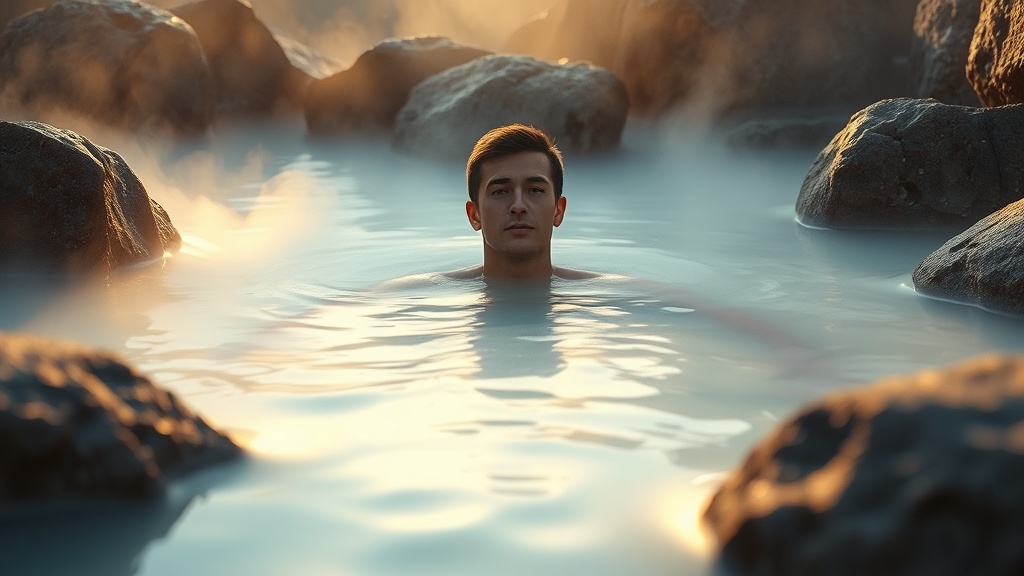
A parallel Korean trial (N = 58) reinforced these findings, showing significant improvements in skin hydration, transepidermal water loss, and Stress Response Inventory scores after 16 weeks of biweekly 20-minute immersions in mineralized hot spring water [3]. The Korean data didn't find significant changes in salivary cortisol or HRV between groups, which is worth noting — the cortisol signal may require more intensive protocols than biweekly sessions.
Supporting Evidence: The Hungarian Meta-Analysis#
A February 2026 updated meta-analysis of 18 Hungarian clinical trials (spanning 1989–2025) found significant reductions in pain at rest, pain on load (VAS), and quality of life improvements (EQ-5D) from balneotherapy, primarily in degenerative musculoskeletal conditions [2]. The convergence of mental health and musculoskeletal data is relevant — chronic pain and depression share neuroinflammatory pathways, and an intervention that modulates both is mechanistically plausible.
A separate Lithuanian RCT (N = 373) examining balneotherapy's effects on musculoskeletal pain and stress-related fatigue confirmed reduced pain frequency and intensity, improved spine mobility, decreased medication use, and fatigue reduction with benefits lasting six months [4]. The consistent six-month durability across independent trials strengthens the evidence base considerably.
Where I'm Less Convinced#
The honest issue: sample size. N = 243 across four groups means roughly 60 participants per arm. That's adequate for detecting large effects but underpowered for subgroup analyses. We don't know if the effects differ by age, baseline stress severity, or mineral water composition across the six sites.
Single-blinding (researchers only) means participants knew they were receiving treatment. For a stress intervention, this introduces meaningful expectation bias. I'd want to see a sham-controlled design — perhaps tap water immersion at equivalent temperatures — before making strong causal claims.
And the control group appears to have received no treatment at all, which inflates effect sizes. Comparing balneotherapy to active controls (e.g., standard relaxation therapy, guided meditation programs) would tell us whether mineral water immersion specifically outperforms other parasympathetic-dominant interventions.
COMPARISON TABLE#
| Method | Mechanism | Evidence Level | Cost | Accessibility |
|---|---|---|---|---|
| Balneotherapy (Inpatient, 11 days) | Hydrostatic pressure, mineral absorption, thermal HSP activation, parasympathetic recalibration | Multicenter RCT with 6-month follow-up (N=243) | €800–2,500 (program-dependent) | Limited to medical spa centers with natural mineral sources |
| Cold Water Immersion | Norepinephrine surge, brown fat activation, acute sympathetic → parasympathetic rebound | Multiple small RCTs, mechanistic studies | Low (€0–50/month DIY) | High — any cold water source |
| SSRI Pharmacotherapy | Serotonin reuptake inhibition | Extensive RCTs, meta-analyses | €10–80/month | High — prescription required |
| Mindfulness-Based Stress Reduction (MBSR) | Prefrontal cortex-mediated attention regulation, default mode network modulation | Multiple RCTs, meta-analyses | €200–600 (8-week program) | Moderate — requires trained instructor or app |
| Float Tank / Sensory Deprivation | Magnesium absorption (Epsom salt), reduced sensory input, parasympathetic activation | Small trials, limited long-term data | €50–100/session | Low-moderate — specialized facilities |
THE PROTOCOL#
Based on the trial data and supporting evidence, here's how to structure a balneotherapy protocol for stress and mental health optimization. This is drawn directly from the intervention parameters used in the RCT — not from spa marketing.
Step 1. Identify a facility with natural mineral spring water, not heated tap water with added salts. The distinction matters. Natural thermal waters contain dissolved minerals (magnesium, sulfur, bicarbonate, silica) at concentrations that synthetic preparations rarely match. Medical spa centers in Lithuania, Hungary, Czech Republic, Iceland, Japan, and South Korea have documented mineral profiles. Request the water analysis certificate.
Step 2. Commit to an 11-day minimum protocol. The 6-day ambulatory group in the related musculoskeletal trial showed effects, but the 11-day inpatient group consistently produced the largest effect sizes [1][4]. Half-measures produce half-results here.
Step 3. Structure daily immersion sessions of 15–20 minutes in water between 36–40°C. The Korean trial used 20-minute sessions at natural spring temperatures biweekly [3]. For an intensive protocol, daily immersion during the 11-day block is the evidence-supported approach. Don't push past 40°C or 30 minutes — thermal stress has diminishing returns and cardiovascular risks at higher exposures.
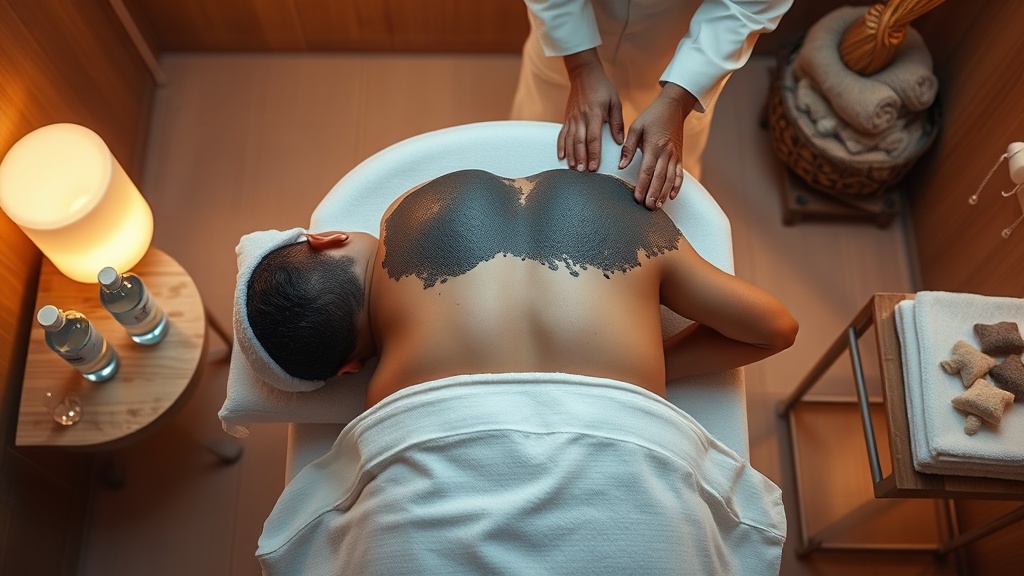
Step 4. Combine with peloid (mud) applications where available. The Lithuanian trial included peloid treatments as part of the balneotherapy complex. Peloid applications to the cervical and lumbar regions may provide localized anti-inflammatory and analgesic effects through mineral absorption and sustained thermal delivery.
Step 5. Add nature exposure. The 11ABTNT group included self-guided nature therapy alongside balneotherapy. While this group didn't consistently outperform pure balneotherapy, the combination provides additional parasympathetic input through visual and auditory environmental enrichment. Walk in natural settings for 20–30 minutes on treatment days.
Step 6. Track your data. Measure HRV (morning resting, using a validated chest strap), sleep quality (subjective diary plus wearable metrics), and perceived stress (PSS-10 is free and validated) at baseline, post-protocol, and monthly for six months. Without tracking, you're guessing.
Step 7. Plan maintenance sessions. The six-month durability data is encouraging, but the effect does attenuate. Consider quarterly 3–5 day immersion blocks to maintain autonomic recalibration, or biweekly local thermal spring sessions if accessible.
Related Video
What is balneotherapy and how does it differ from regular hot tub use?#
Balneotherapy specifically involves immersion in natural mineral spring water — water that contains dissolved minerals like magnesium, sulfur, and bicarbonate at therapeutic concentrations from geological sources. A regular hot tub uses heated, chemically treated tap water. The mineral composition, the thermal properties of geothermally heated water, and often the inclusion of peloid (mud) treatments distinguish balneotherapy from recreational soaking. The clinical trials cited here used certified natural mineral springs, not synthetic alternatives.
How long do the mental health benefits of balneotherapy last?#
According to the 2026 Lithuanian RCT, benefits persisted at six months post-intervention, with sustained reductions of 31% in stress, 27% in anxiety, and 67% improvement in sleep quality [1]. The related musculoskeletal trial also found six-month durability for fatigue and quality of life outcomes [4]. However, the effects do attenuate over time from their post-intervention peaks, which suggests periodic maintenance sessions may be necessary.
Who should avoid balneotherapy?#
Individuals with uncontrolled cardiovascular disease, acute infections, open wounds, or severe dermatological conditions should consult a physician before undertaking thermal immersion protocols. Pregnancy, particularly in the first trimester, is generally a contraindication for prolonged thermal water exposure above 38°C. The RCT reported no serious adverse events across 243 participants, and treatment was well-tolerated at all six sites — but these were screened adults aged 18–65 without severe medical comorbidities.
Why did the inpatient group show better results than the ambulatory groups?#
I think this comes down to total environmental control. The inpatient group (11BTS) wasn't just getting immersion — they were removed from their daily stressors entirely for 11 days. Sleep environment, meal timing, social pressures, screen exposure — all of these shift when you're in a residential treatment setting. Separating the specific effect of mineral water from the effect of environmental stress removal is one of the trial's limitations that I'd want future research to address.
How does balneotherapy compare to cold water immersion for stress management?#
Different mechanisms, different timelines. Cold immersion drives an acute sympathetic surge (norepinephrine, cortisol) followed by parasympathetic rebound — it trains stress resilience through hormetic challenge. Balneotherapy operates primarily through sustained parasympathetic activation, mineral absorption, and thermal comfort. The evidence base for cold exposure is mostly mechanistic and small-trial, while this balneotherapy RCT offers a larger controlled dataset with long-term follow-up. They're not interchangeable — they're complementary tools for different aspects of autonomic regulation.
VERDICT#
7.5/10. This is the strongest controlled evidence I've seen for balneotherapy's mental health effects. The multicenter design, adequate sample size, validated outcome measures, and six-month follow-up put it well above the typical spa study. The effect sizes are clinically meaningful — a 54% depression reduction and 67% sustained sleep improvement aren't trivial numbers. But the lack of active control and single-blinding limit causal certainty, and the inpatient group's benefits may be partially confounded by environmental stress removal rather than water immersion specifically. The accessibility barrier is also real — not everyone can access certified mineral springs for 11-day blocks. For those who can, the data supports trying it. For everyone else, the mechanisms suggest that even regular thermal immersion with mineral supplementation may capture some fraction of these benefits. I'd want a sham-controlled trial before I call this definitive.#
References
- 1.Author(s) not listed. Effects of balneotherapy on stress, anxiety, and depression: results of a multicenter randomized controlled trial with six-month follow-up. BMC Complementary Medicine and Therapies (2026). ↩
- 2.Author(s) not listed. Evidence-based balneotherapy in Hungary. Updated systematic review and meta-analysis of the Hungarian clinical trials. International Journal of Biometeorology (2026). ↩
- 3.Author(s) not listed. Effects of repeated balneotherapy on skin hydration and psychophysiological stress: findings from a 16-week Korean spa trial. International Journal of Biometeorology (2025). ↩
- 4.Author(s) not listed. Short and Long-term effects of balneotherapy on musculoskeletal pain and fatigue associated with stress. International Journal of Biometeorology (2025). ↩
Cira Renn
Cira writes with physical conviction — she's done this, she knows what it feels like, and she doesn't pretend otherwise. Her writing has visceral energy: 'Cold water at 10°C isn't a wellness trend. It's a physical confrontation.' She distinguishes between what the research shows and what she's experienced, and she'll tell you when they diverge.
View all articles →