rTMS for Cognitive Resilience: Cortical Excitability as Aging Biomarker

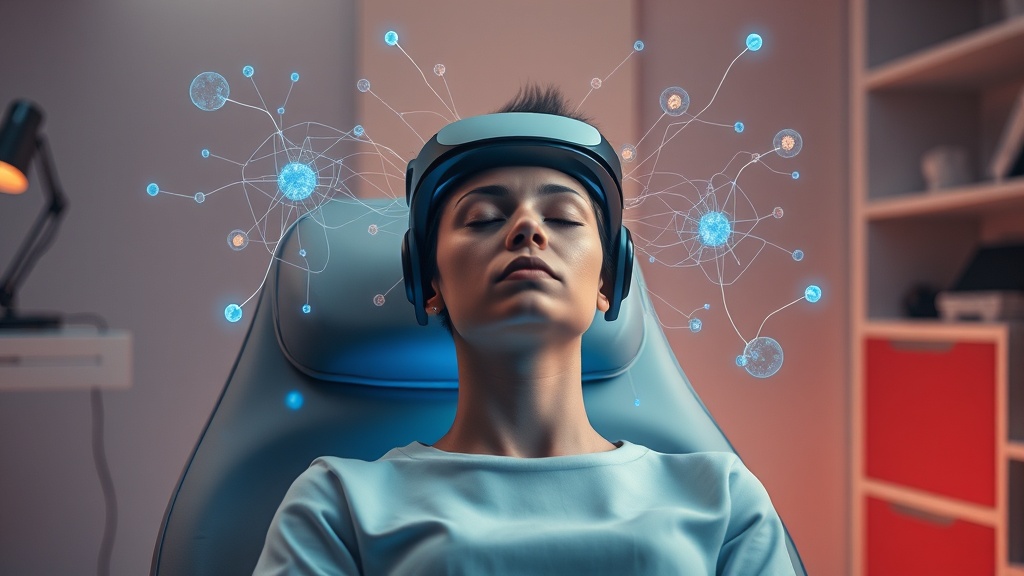
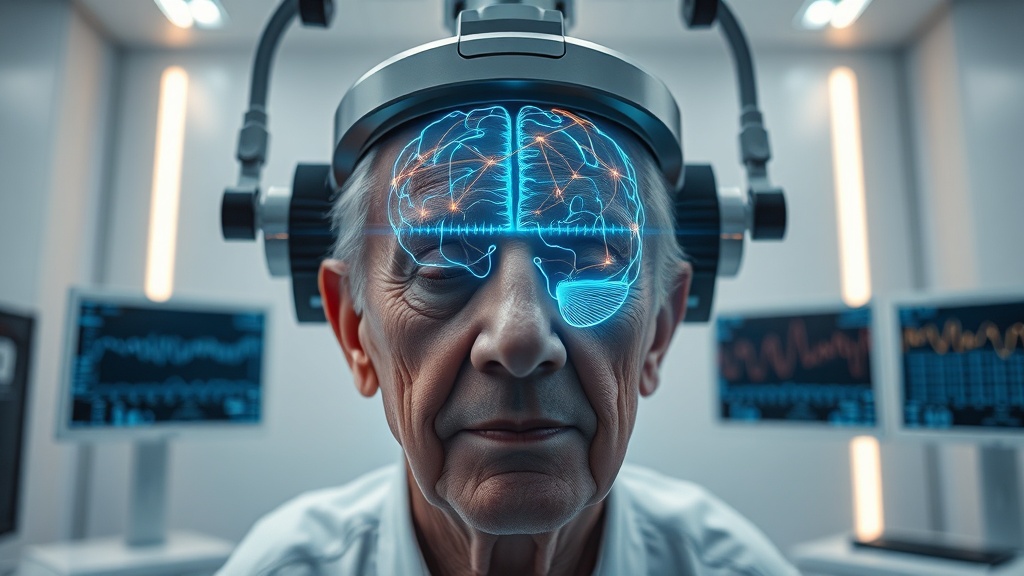
SNIPPET: High-frequency repetitive transcranial magnetic stimulation (rTMS) applied to the left dorsolateral prefrontal cortex may modulate cortical excitability — an emerging biomarker of cognitive resilience in aging. A new crossover study protocol from the University of Turin outlines a 36-session, 12-week rTMS framework designed to characterize changes in executive function, mood, and neuroplasticity in healthy older adults, positioning cortical excitability measurement as a potential early-detection tool for age-related cognitive decline.
THE PROTOHUMAN PERSPECTIVE#
Here is the uncomfortable truth about brain aging: we have been measuring it wrong. For decades, the cognitive decline conversation has centered on what's lost — memory scores dropping, processing speed slowing, the quiet erosion of executive function. But a growing body of research is flipping the question. Instead of asking how fast are you declining?, scientists at the University of Turin and IRCCS Istituto Neurologico Carlo Besta are asking how resilient is your cortex?
Cortical excitability — the brain's readiness to fire in response to stimulation — may be the biomarker that bridges the gap between lifespan and healthspan. And rTMS, a non-invasive technique already approved for treatment-resistant depression, is the tool they're using to both measure and modulate it. For the biohacking community, this matters because it reframes cognitive aging not as inevitable entropy, but as a modifiable electrical property of the brain. That's a fundamentally different starting point.
THE SCIENCE#
What Is Cortical Excitability, and Why Should You Care?#
Cortical excitability (CE) refers to the threshold at which neurons in the cortex respond to stimulation — essentially, how easily your brain's circuits activate. It's measured non-invasively through transcranial magnetic stimulation (TMS)-derived motor-evoked potentials (MEPs), which capture the electrical responsiveness of the motor cortex as a proxy for broader cortical health[1]. CE sits at the intersection of synaptic plasticity, GABAergic and glutamatergic neurotransmission, and the integrity of cortical networks that underpin attention, memory, and inhibitory control.
Palermo, Di Fazio, and colleagues argued in a 2025 perspective article that CE could serve as a dynamic, non-invasive biomarker of cognitive resilience — the brain's capacity to maintain function despite age-related structural changes[2]. Their key observation: preliminary evidence suggests that CE is reduced in individuals who demonstrate cognitive resilience in old age, which sounds counterintuitive until you consider that lower excitability may reflect more efficient, less noisy neural processing. Think of it as a well-tuned engine running cooler under load.
But here's where it gets complicated. Cespón et al. (2022) demonstrated that age-related changes in CE are linked to decreased attentional and inhibitory control[2]. So the relationship isn't linear — CE isn't simply "higher is better" or "lower is better." It's about the pattern of excitability shifts and what they tell us about the brain's compensatory mechanisms.
I think the word "resilience" is doing a lot of heavy lifting in this literature. What we're really talking about is a measurable electrical signature that correlates with — but doesn't yet predict — who will maintain cognitive function and who won't. No study has prospectively linked CE changes to individual cognitive trajectories in healthy older adults across time[2]. That's precisely the gap this new protocol aims to address.
The Turin rTMS Protocol: 36 Sessions, 12 Weeks, One Crossover#
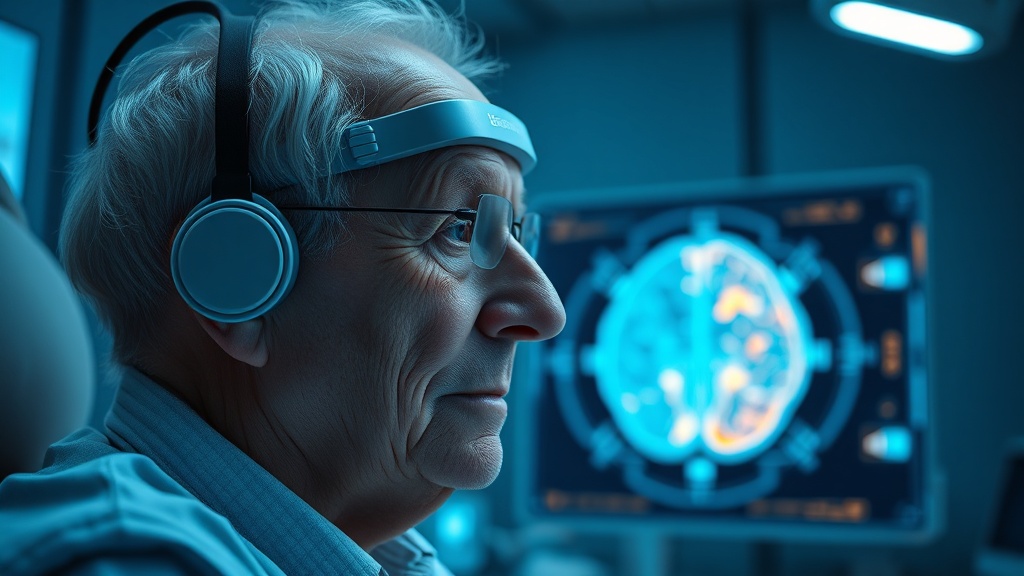
Di Fazio et al. (2026) published a detailed study protocol in Frontiers in Human Neuroscience describing a crossover design in which healthy older adults receive high-frequency rTMS to the left dorsolateral prefrontal cortex (DLPFC) — the same target used in FDA-approved depression treatments[1]. The protocol specifies 36 sessions over 12 weeks, conducted three times per week.
The primary outcome is CE modulation, measured via MEPs. Secondary outcomes include executive functioning, mood, and quality of life. The crossover design means each participant serves as their own control, which is methodologically smart for a pilot — it reduces between-subject variability in a population where individual differences in brain aging are enormous.
What I find most interesting about this protocol is what it doesn't claim. It's not pitched as a treatment. It's a feasibility study — can we reliably measure CE changes in response to rTMS in healthy older adults? Can we characterize what those changes look like across cognitive and emotional domains? The pilot data indicate the protocol is tolerable and the data acquisition is reliable, with the clearest condition-related pattern observed in MEP-derived cortical excitability[1].
The Depression Connection: Positive Bias as Mechanism#
A parallel line of evidence strengthens the case for DLPFC-targeted TMS. Sarrazin et al. (2026), publishing in Molecular Psychiatry, studied 49 patients with major depression who received 20 daily sessions of intermittent theta-burst TMS to left DLPFC[3]. Their finding: an increase in behavioral and neural measures of positive bias after just one week predicted clinical response after four weeks of treatment.
Specifically, TMS responders showed a bias toward interpreting ambiguous facial expressions as positive — a shift in emotional information processing, not just symptom reduction. Neurally, clinical improvement correlated with increased activation in the rostral anterior cingulate cortex (rACC) for positive versus negative emotional faces[3].
This matters for the aging-cognition story because late-life depression and cognitive decline share overlapping neural substrates. As a 2026 review in Neuropsychopharmacology emphasized, impaired cortical synaptic plasticity in the prefrontal cortex may drive both depressive vulnerability and dementia risk[4]. rTMS could theoretically promote cortical plasticity, improve network connectivity, and reduce cognitive decline — though I'd want to see that hypothesis tested directly before building protocols around it.
The catch, though. Sarrazin et al.'s study was open-label with no sham control. Machine learning models indicated the neural measures predicted outcomes beyond early symptom reduction, which is encouraging, but open-label TMS studies carry significant placebo expectancy effects. I'm less convinced by the behavioral bias data than the neural connectivity findings.
When Timing Is Everything: The Mitophagy Lesson#
A seemingly unrelated study published in npj Aging (Jara et al., 2026) offers a critical conceptual parallel[5]. Using mouse models, the researchers found that Urolithin A — a natural mitophagy activator — could prevent but not reverse age-related cognitive impairment. In younger SAMP8 mice, UA sharply increased ATP production, reduced mitochondrial stress markers, and improved cognitive performance. In older C57BL/6 mice with established deficits, UA improved mitochondrial metrics but did not restore memory[5].
The implication for rTMS is obvious and unsettling: intervention timing may be everything. If cortical excitability modulation works like mitophagy activation — effective as prevention, insufficient as reversal — then the window for rTMS-based cognitive resilience protocols may be narrower than we'd like. This is preclinical data in mice, so direct translation to human brain stimulation protocols requires caution. But the pattern holds across multiple domains of aging biology.
The Meta-Analytic Picture#
Vásquez-Carrasco et al. (2025) conducted a systematic review with meta-analysis of non-invasive brain stimulation combined with cognitive training in older adults with mild cognitive impairment[6]. Across 10 randomized controlled trials (from 1,689 screened records), they found a moderate positive effect on attention and processing speed (effect size = 0.54) as measured by the Trail-Making Test Part A. Improvements in global cognition (MoCA) were also observed, though effects on executive function (TMT-B) were smaller and inconsistent, with effect sizes ranging from 0.05 to 0.52[6].
The certainty of evidence, assessed via GRADE criteria, was not robust enough for definitive conclusions — a finding the authors themselves acknowledged. Small sample sizes across most trials and short follow-up periods (≤3 months) limit confidence. But the direction is consistent: NIBS paired with cognitive engagement appears to produce measurable cognitive benefits, particularly in attention and processing speed.
Effect Sizes of NIBS + Cognitive Training on Cognitive Domains (MCI)
COMPARISON TABLE#
| Method | Mechanism | Evidence Level | Cost | Accessibility |
|---|---|---|---|---|
| High-frequency rTMS (left DLPFC) | Modulates cortical excitability via electromagnetic pulses; promotes synaptic plasticity | Protocol-stage for aging; FDA-approved for depression | $200–400/session; ~$7,200–14,400 for 36 sessions | Requires clinical setting with trained operator |
| Intermittent theta-burst stimulation (iTBS) | Condensed TMS protocol (~3 min vs. 37 min); similar DLPFC targeting | Growing RCT evidence for depression; limited for cognitive aging | $150–350/session | Clinical setting; shorter sessions increase throughput |
| Transcranial direct current stimulation (tDCS) | Weak electrical current modulates neuronal firing threshold | Meta-analytic support for attention/processing speed in MCI | $30–100/session; consumer devices ~$300–500 | Home-use devices available; lower precision |
| Cognitive training alone | Task-dependent neural activation; use-dependent plasticity | Moderate evidence for domain-specific gains; limited transfer | $0–50/month (apps) | Fully accessible; no clinical supervision needed |
| Urolithin A (mitophagy activation) | Enhances mitochondrial clearance and biogenesis in hippocampus | Preclinical only for cognitive aging; human trials in muscle function | $30–60/month (supplement) | Over-the-counter; timing-dependent efficacy |
THE PROTOCOL#
How to approach rTMS-based cognitive resilience — based on current evidence and the parameters described in the Turin protocol. This is not medical advice; rTMS requires clinical supervision and individualized assessment.
Step 1: Get a baseline cognitive and neurophysiological assessment. Before any stimulation, establish your starting point. The Turin protocol uses MEP-derived cortical excitability measures, plus standardized cognitive batteries covering executive function, attention, memory, and mood (including quality-of-life instruments)[1]. At minimum, request a MoCA screening and discuss TMS-specific contraindications (metallic implants, seizure history, certain medications).
Step 2: Identify a qualified rTMS provider with neuronavigation capabilities. The DLPFC target must be precisely localized. The Di Fazio protocol uses neuronavigation-guided rTMS — not the approximation methods some clinics still use[1]. Ask specifically whether the clinic uses MRI-guided or Beam F3 targeting methods. Precision matters.
Step 3: Begin a high-frequency rTMS course targeting the left DLPFC. The protocol specifies three sessions per week, high-frequency stimulation, for 12 weeks (36 sessions total)[1]. Standard clinical rTMS for depression uses 10 Hz at 120% motor threshold, though the exact parameters should be determined by your clinician based on individual MEP measurements. Sessions typically last 20–37 minutes for standard protocols, or approximately 3 minutes for iTBS variants.
Step 4: Pair stimulation with active cognitive engagement. The meta-analytic evidence from Vásquez-Carrasco et al. suggests that NIBS combined with cognitive training produces stronger effects than stimulation alone, particularly for attention and processing speed[6]. Consider structured cognitive training — working memory tasks, attentional control exercises, or even well-designed cognitive training apps — during or immediately after rTMS sessions, when cortical plasticity is theoretically elevated.
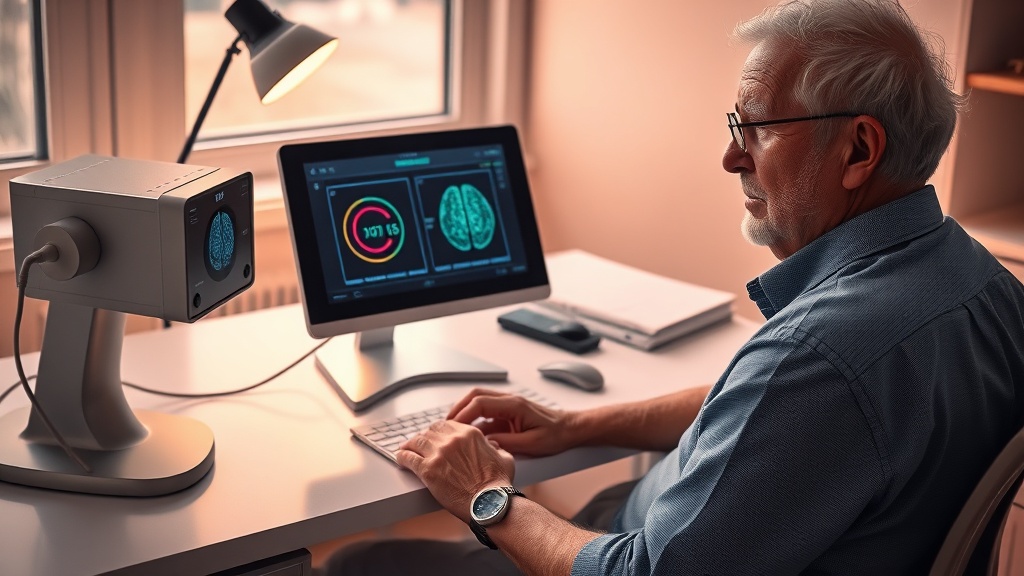
Step 5: Monitor CE and cognitive outcomes at regular intervals. The crossover design in the Turin protocol includes repeated MEP measurements and cognitive assessments across conditions[1]. For personal tracking, request interim cognitive testing at 4-week intervals. Track subjective measures too — mood, sleep quality, attentional focus in daily life. These aren't just "soft" endpoints; the Sarrazin et al. data suggest emotional processing shifts may be among the earliest detectable changes[3].
Step 6: Consider the timing window seriously. Based on the Urolithin A findings in mouse models and the broader aging biology literature, earlier intervention may yield stronger results[5]. If you're cognitively healthy and in your 50s or 60s, the preventive framing of these interventions may be more realistic than the restorative framing. Honestly, we don't know the optimal human timing window yet. But the preclinical signal is clear: don't wait for deficits to appear.
Step 7: Reassess after 12 weeks and decide on maintenance. Long-term rTMS maintenance protocols for cognitive resilience don't yet exist in the literature. Depression protocols sometimes use monthly boosters. If your CE and cognitive measures show improvement, discuss a maintenance schedule with your provider — but recognize that you're in uncharted territory.
Related Video
What is cortical excitability and how is it measured?#
Cortical excitability refers to how readily neurons in the brain's cortex respond to stimulation. It's measured using TMS-derived motor-evoked potentials (MEPs) — essentially, a magnetic pulse is delivered to the motor cortex, and the resulting muscle twitch is recorded to gauge the brain's electrical responsiveness[2]. Lower excitability in cognitively healthy older adults may paradoxically indicate more efficient neural processing.
How does rTMS differ from tDCS for cognitive enhancement?#
rTMS uses focused electromagnetic pulses to induce neuronal firing, while tDCS applies a weak constant electrical current to shift neuronal firing thresholds. rTMS is more focal and can reliably produce action potentials; tDCS is more diffuse and modulatory. The meta-analytic evidence suggests both can improve attention and processing speed in MCI when combined with cognitive training, but rTMS requires clinical equipment and tDCS is available in consumer devices[6]. The tradeoff is precision versus accessibility.
Who is a good candidate for rTMS-based cognitive resilience protocols?#
Based on the current protocol design, the target population is healthy older adults without dementia or neurological disease[1]. People with treatment-resistant depression already have strong evidence supporting rTMS. For cognitively healthy aging adults, this remains investigational. Contraindications include metallic cranial implants, history of seizures, and certain cardiac devices. A thorough screening by a trained clinician is non-negotiable.
Why might early intervention matter more than late intervention for brain aging?#
Preclinical data from Jara et al. (2026) showed that activating mitophagy pathways early in aging mice prevented cognitive impairment, but the same intervention in older mice with established deficits improved mitochondrial function without restoring memory[5]. This suggests that certain neurobiological repair mechanisms have a window of efficacy — once sufficient damage accumulates, enhancement of clearance and plasticity pathways may be necessary but insufficient. Whether this translates directly to rTMS in humans is unknown, but the principle of earlier-is-better appears consistent across multiple aging interventions.
When will rTMS for cognitive resilience be available as a standard treatment?#
Not soon. The Di Fazio et al. protocol is a feasibility study — it hasn't yet generated efficacy data[1]. We're likely 5–10 years from randomized controlled trials large enough to support clinical guidelines for cognitive resilience in healthy aging. rTMS is currently available off-label through some clinics, but insurance coverage for cognitive enhancement (as opposed to depression treatment) is essentially nonexistent. The honest answer is the science is promising but the clinical infrastructure isn't there yet.
VERDICT#
Score: 6.5/10
The science here is genuinely interesting and the protocol is methodologically sound. Cortical excitability as a biomarker for cognitive resilience is a concept I find more compelling than most aging biomarkers being discussed in the biohacking space — partly because it's functional, not just structural, and partly because it's modifiable. The convergence from multiple research groups (Turin, the BRAEN-MAP study, the Vásquez-Carrasco meta-analysis) pointing toward DLPFC-targeted stimulation for cognitive preservation gives this more weight than a single-lab finding.
But I have to be honest about what's missing. The Di Fazio protocol is pre-data. The Sarrazin depression study was open-label. The meta-analysis found moderate effects but low certainty of evidence. And the most elegant mechanistic story — the Urolithin A timing data — is entirely in mice. I'd score this higher if any single study had delivered a large, sham-controlled RCT with long-term cognitive outcomes in healthy older adults. That study doesn't exist yet.
What I find most valuable is the conceptual shift: from measuring decline to measuring resilience, from treating pathology to characterizing electrical signatures of healthy aging. That framing alone may change how we think about the aging brain.
References
- 1.Di Fazio C, Scaliti E, Stanziano M, Nigri A, Demichelis G, Tamietto M, Palermo S. Exploring cortical excitability modulation to promote cognitive resilience in aging: an rTMS study protocol. Frontiers in Human Neuroscience (2026). ↩
- 2.Palermo S, Di Fazio C, Scaliti E, Stanziano M, Nigri A, Tamietto M. Cortical excitability and the aging brain: toward a biomarker of cognitive resilience. Frontiers in Psychology (2025). ↩
- 3.Sarrazin V, Suen P, Cavendish B. Positive bias in brain and behaviour as a mechanism of transcranial magnetic stimulation depression treatment. Molecular Psychiatry (2026). ↩
- 4.Author(s) not listed. Neuromodulation and cognition in late-life depression. Neuropsychopharmacology (2026). ↩
- 5.Jara C, Venegas-Zamora L, Park-Kang HS. Early mitophagy activation by Urolithin A prevents, but late activation does not reverse, age-related cognitive impairment. npj Aging (2026). ↩
- 6.Vásquez-Carrasco E, Jamett-Oliva P, Quijada A, Hernandez-Martinez J, Branco BHM, Carmine-Peña E, Sepúlveda P, Sandoval C, Valdés-Badilla P. Effects of non-invasive brain stimulation combined with cognitive training on cognitive functions in older people with mild cognitive impairment: a systematic review with meta-analysis. Frontiers in Medicine (2025). ↩
Fen Adler
Fen writes with psychological nuance and a slightly meandering quality that feels human. He'll start pursuing one idea, realize it connects to something else, and follow it briefly before returning: 'This reminds me of something from the attentional blink literature — different context, but the pattern holds.' He's interested in the experience, not just the mechanism, which means he'll occasionally ask: 'What does this actually feel like?' when discussing neurological effects.
View all articles →