Red Light Therapy: How Photobiomodulation Boosts Cellular Energy

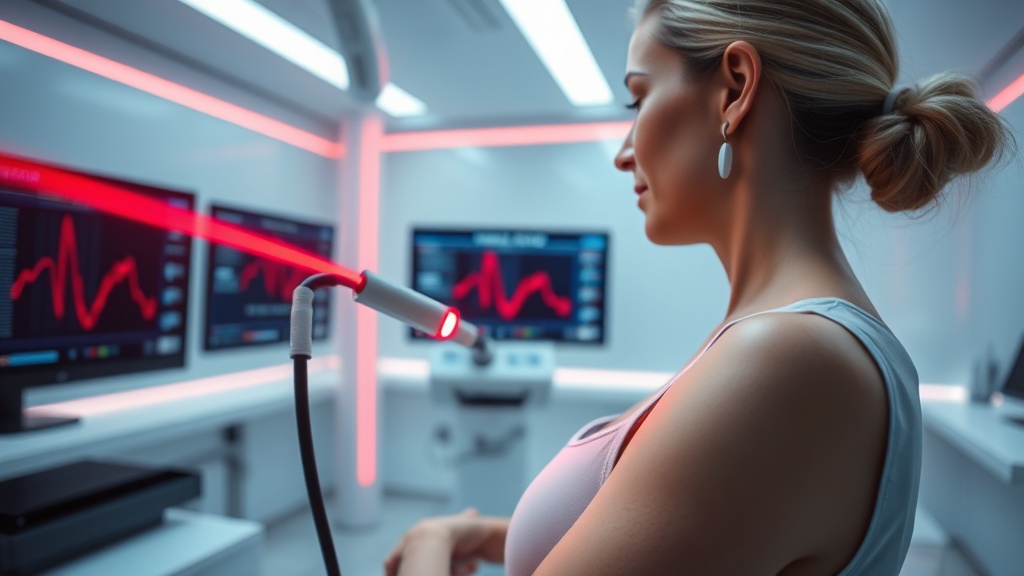
SNIPPET: Photobiomodulation therapy (PBMT) enhances cellular energy by stimulating cytochrome c oxidase in mitochondria, increasing ATP production, modulating reactive oxygen species, and triggering nitric oxide signaling. A 2025 crossover trial found a single 12-minute red/NIR light session boosted resting energy expenditure by 9.3% in women with obesity. Efficacy is dose- and wavelength-dependent.
THE PROTOHUMAN PERSPECTIVE#
Photobiomodulation is one of the few interventions that acts directly at the mitochondrial level without requiring you to swallow anything. That distinction matters. In a landscape saturated with NAD+ precursors, peptide stacks, and metabolic shortcuts, PBMT operates on first principles — photons hitting chromophores, electrons moving through the transport chain, ATP coming out the other side. The recent wave of 2025 research finally starts to quantify what practitioners have reported for years: measurable shifts in resting metabolism, stem cell proliferation, and cognitive recovery after stroke. But here's where it gets complicated. The field's biggest enemy isn't skepticism — it's the flood of consumer devices shipping with vague specs and no dosimetry standards. If you don't control wavelength, irradiance, and energy density, you're not doing photobiomodulation. You're doing expensive ambient lighting. The data emerging now gives us parameters worth paying attention to. Whether the market will actually use them is another question entirely.
THE SCIENCE#
What Photobiomodulation Actually Is#
Photobiomodulation therapy is the application of red (600–700 nm) or near-infrared (700–1100 nm) light at low power densities to biological tissue, where it triggers photochemical responses primarily through mitochondrial chromophores. It matters for human performance and longevity because it represents a non-pharmacological route to enhancing cellular bioenergetics — the same energy systems that decline with aging, metabolic disease, and neurodegeneration. In the 2025 crossover trial by De Nardi et al., a 12-minute PBM session increased resting energy expenditure by 9.3% (from 1,486 to 1,624 kcal/day) in women with obesity [4]. The therapy has now been investigated across dermatology, neurology, orthopedics, and oncology support, with a 2025 systematic review in the Journal of Translational Medicine cataloguing its expansion across medical disciplines [1].
The Mitochondrial Mechanism: Cytochrome C Oxidase and Beyond#
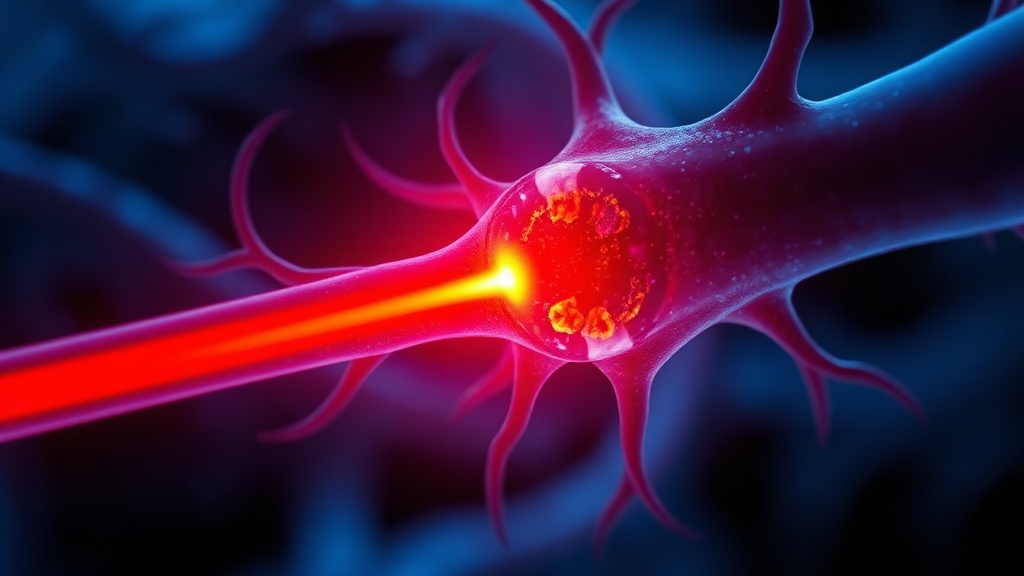
The primary molecular target of PBM is cytochrome c oxidase (CCO), also known as Complex IV of the mitochondrial electron transport chain. When photons in the red/NIR range are absorbed by CCO, they dissociate inhibitory nitric oxide from the enzyme's binuclear center, restoring electron flow and increasing the mitochondrial membrane potential. The downstream result: more ATP, a transient burst of reactive oxygen species that activates redox-sensitive transcription factors (NF-κB, Nrf2), and released NO that improves local vasodilation [1][6].
Martins et al. (2025) detail this cascade thoroughly in their review of PBMT for neuropathic pain, noting that the photochemical activation of CCO also upregulates neurotrophic factors like BDNF and modulates inflammatory cytokines — effects that extend well beyond simple energy production [6].
But I need to push back on the simplicity of this narrative. The 2025 stem cell study from Scientific Reports found something that complicates the CCO-centric model. When researchers irradiated meniscus-derived stem cells at multiple wavelengths (400–1064 nm) and energy densities (3–60 J/cm²), CCO activity and nitric oxide concentration remained unchanged across all conditions [2]. The proliferative effects they observed — strongest at 700–710 nm and 1064 nm at 15 J/cm² — were instead mediated by the TRPV1 calcium channel, not by CCO activation.
That's a significant finding. It suggests PBM's mechanisms are more heterogeneous than the standard textbook explanation allows.
The TRPV1-Calcium-ROS Axis#
The stem cell work deserves closer attention. The research team found that PBM increased intracellular calcium and ROS in a dose-dependent manner across all wavelengths tested. When they inhibited the TRPV1 channel, both the calcium elevation and the ROS burst were abolished — and so were the proliferative effects [2].
The sweet spot was narrow. At 700–710 nm and 1064 nm, energy densities of 3, 15, and 30 J/cm² improved MeSC proliferation, with 15 J/cm² producing the most significant effect. Every other condition — including visible blue/green wavelengths and the highest energy density of 60 J/cm² — actually reduced mitochondrial function and proliferative capacity [2].
Wavelength matters. Irradiance matters. Time matters. Dose matters. Most consumer devices get at least one of these wrong.
Resting Metabolism: The De Nardi Trial#
The most clinically tangible result from the 2025 literature comes from De Nardi et al.'s randomized crossover study [4]. Sixteen women with obesity (BMI: 36 ± 4 kg/m²) and sixteen normal-weight controls underwent 12 minutes of dual-wavelength PBM (red at 633–660 nm; NIR at 850–940 nm) with front and back exposure, compared to sham stimulation.
The results in the obesity group: resting energy expenditure jumped 9.3% post-PBM (p < 0.001), with no change in the respiratory exchange ratio — meaning the metabolic increase wasn't driven by a substrate shift but by genuine upregulation of energy utilization [4]. Both groups showed decreased rate of perceived exertion and improved flexibility. Skin temperature increased significantly, particularly on the back, consistent with increased local blood flow and metabolic activity.
I'll be honest — n=16 per group is small. This is a pilot. The acute nature of the measurement (single session) leaves open the question of whether these effects accumulate, plateau, or attenuate with repeated exposure. But the crossover design with sham control is clean, and the effect size is notable for a 12-minute passive intervention.
Cognitive Recovery: The Stroke Trial#
Sun et al. (2025) conducted a randomized controlled trial with 90 stroke patients, examining whether 630 nm red light therapy could improve post-stroke cognitive impairment [5]. The mechanism they investigated is unusual — rather than the standard CCO pathway, they focused on formaldehyde metabolism. Their hypothesis: red light at 630 nm activates formaldehyde dehydrogenase (FDH), degrading excess formaldehyde that accumulates after stroke and contributes to cognitive decline and depression.
Of the enrolled patients, 44 in the red-light group and 38 controls completed the 6-month study (3 months of active therapy, 3 months follow-up). Cognitive assessments used the MoCA and MMSE; neuropsychiatric measures included the HAMD and HAMA depression and anxiety scales [5].
The trial design — assessor blinding, concealed allocation, intention-to-treat analysis — is stronger than most PBM studies I've seen. The formaldehyde-degradation mechanism is novel and, frankly, unexpected. I'd want replication before building any protocol around it, but it opens a genuinely new line of investigation.
Resting Energy Expenditure: Pre vs. Post PBM in Women with Obesity
COMPARISON TABLE#
| Method | Mechanism | Evidence Level | Cost | Accessibility |
|---|---|---|---|---|
| Red/NIR PBM (630–940 nm) | CCO activation, TRPV1-Ca²⁺ signaling, ROS modulation, NO release | Multiple RCTs, systematic reviews (2025) | $200–$2,000+ (consumer panels to clinical devices) | Home use available; clinical units in rehab centers |
| Cold Laser Therapy (LLLT) | Same photochemical pathways, coherent light source | Established for pain/wound healing; older evidence base | $300–$5,000 (handheld to clinical) | Primarily clinical settings |
| NAD+ Precursors (NMN/NR) | Boosting NAD+ synthesis, sirtuin activation, mitochondrial support | RCTs emerging but mixed; dose-response unclear | $40–$150/month (supplements) | Over-the-counter; widely accessible |
| Exercise | Mitochondrial biogenesis via PGC-1α, AMPK activation, autophagy pathways | Strongest evidence base across all outcomes | Free–$100/month (gym) | Universal |
| Hyperbaric Oxygen (HBOT) | Increased dissolved O₂, angiogenesis, reduced inflammation | Strong for wound healing; emerging for neuro | $100–$250/session; $5,000+ (home chamber) | Clinical centers; limited home access |
THE PROTOCOL#
Based on current evidence, here is a structured approach to incorporating photobiomodulation. These recommendations reflect the parameters used in the 2025 clinical studies — not marketing claims from device manufacturers.
Step 1: Select the correct wavelengths. Your device must deliver light in the 630–660 nm (red) and/or 850–940 nm (near-infrared) range. These are the wavelengths with the strongest evidence for CCO activation and metabolic effects [1][4]. Avoid devices that only list "red light" without specifying exact nanometer output.
Step 2: Verify energy density parameters. For general metabolic and tissue repair applications, target 3–30 J/cm² at the tissue surface. The MeSC study found 15 J/cm² optimal for stem cell proliferation at 700–1064 nm, with 60 J/cm² causing harm [2]. More is not better. Calculate your dose: irradiance (mW/cm²) × time (seconds) ÷ 1,000 = J/cm².
Step 3: Establish session duration and distance. The De Nardi metabolism trial used 12 minutes of combined front and back exposure [4]. For consumer LED panels, typical recommended distances are 6–18 inches from the skin, but this depends entirely on the device's irradiance at distance. Measure or obtain the manufacturer's irradiance data at your chosen distance — without this number, you cannot calculate dose.
Step 4: Target exposed skin. PBM requires photons reaching tissue. Clothing blocks most wavelengths. Expose the target area directly. For systemic metabolic effects, the De Nardi protocol used front and back torso exposure [4]. For joint or injury-specific applications, position the device directly over the affected area.

Step 5: Session frequency. Most clinical protocols use 3–5 sessions per week. The stroke cognition trial ran daily sessions for 3 months [5]. For general wellness and metabolic support, 3–4 sessions weekly is a reasonable starting point based on current evidence. Optimal frequency in humans is not yet established with certainty.
Step 6: Track and adjust. Monitor subjective markers (energy, recovery, sleep quality) and, if possible, objective ones (HRV, resting metabolic rate, skin temperature via infrared thermometer). If you notice no change after 4–6 weeks of consistent use, reassess your dosimetry before assuming the therapy doesn't work for you.
Related Video
What wavelength of red light therapy is most effective for cellular energy?#
The strongest evidence points to 630–660 nm (red) and 850–940 nm (near-infrared) for activating cytochrome c oxidase and increasing ATP production. The 2025 stem cell study also found 700–710 nm and 1064 nm effective for proliferation via the TRPV1 channel [2]. Shorter wavelengths in the blue-green range (400–505 nm) actually impaired mitochondrial function in that same study.
How long should a red light therapy session last?#
Based on the De Nardi et al. trial, 12 minutes of combined red and NIR exposure was sufficient to produce a 9.3% increase in resting energy expenditure [4]. Session length depends on your device's irradiance — a weaker device needs longer exposure to reach the same energy density. Always calculate total dose (J/cm²) rather than relying on time alone.
Why do some studies show no benefit from photobiomodulation?#
The 2025 systematic review in Journal of Translational Medicine specifically flags this: negative or equivocal results often appear in trials involving trained athletes or low-stress cohorts [1]. PBM appears to be context-dependent — it may offer the greatest benefit when cellular systems are already under oxidative or inflammatory stress. Non-standardized dosimetry across studies also makes comparison difficult.
Who should avoid red light therapy?#
Current evidence does not identify major safety risks for most adults. However, individuals on photosensitizing medications, those with active malignancies in the treatment area, and pregnant women should consult a physician before use. The 2025 neuropathic pain review notes the field still lacks sufficient data on sex-based response differences [6].
How does red light therapy compare to NAD+ supplements for mitochondrial function?#
They operate on different parts of the energy production system. PBM acts directly on Complex IV (cytochrome c oxidase) of the electron transport chain, while NAD+ precursors like NMN support the coenzyme pool used by Complexes I and III. In principle, they're complementary — but I'd want to see a head-to-head trial before claiming synergy. Neither has a definitive long-term human dataset yet.
VERDICT#
7.5/10. The mechanistic foundation for photobiomodulation is sound — CCO activation, TRPV1-mediated calcium signaling, and downstream metabolic effects are now supported by multiple 2025 publications across different tissue types and clinical populations. The De Nardi metabolism trial and Sun et al. stroke trial are genuinely encouraging. But the field's Achilles heel remains the same as it was five years ago: no standardized dosimetry, wildly variable device quality, and too many small-sample studies being treated as definitive. The stem cell data showing that most wavelength/dose combinations actually harmed proliferation should be a wake-up call for anyone using a device they haven't verified. I'm cautiously optimistic about PBM's trajectory, but the gap between what the best studies show and what most people actually do with their panels at home is still enormous.
References
- 1.Author(s) not listed. From light to healing: photobiomodulation therapy in medical disciplines. Journal of Translational Medicine (2025). ↩
- 2.Author(s) not listed. Photobiomodulation stimulates mitochondrial function and cell proliferation in meniscus-derived stem cells (MeSCs) via activation of TRPV1 channel. Scientific Reports (2025). ↩
- 4.De Nardi M, Allemano S, Buratti M, Conti E, Filipas L, Gotti D, Luzi L, Codella R. Photobiomodulation Acutely Augments Resting Metabolism in Women with Obesity. Nutrients (2025). ↩
- 5.Sun Z, Wu W, Lou L, Wang P, Fu Y, Xu L, Song M, Zhu L, Huang J, Ni S, Huang X, Wang Q, Chen G, Liu X, Tong Z. Red-light photobiomodulation improves cognition and neuropsychiatric symptoms in post-stroke cognitive impairment: a randomized trial. Frontiers in Neurology (2025). ↩
- 6.Martins DO, Rocha IRC, Watkins LR, Chacur M. Photobiomodulation therapy in neuropathic pain: mechanisms, evidence, and future directions. Frontiers in Photonics (2025). ↩
Sova Reld
Sova writes with focused intensity and low tolerance for vague claims. She came to photobiomodulation through personal experimentation and is irritated by both true believers and reflexive skeptics. Her writing has edge: 'The wellness market has done more damage to this field than the skeptics ever could.' She's extremely precise about parameters — wavelength, irradiance, duration — and will tell you when a study used inadequate dosing without apology.
View all articles →