Psilocin Neuroplasticity in Human Neurons: iPSC Study Explained

SNIPPET: Psilocin — psilocybin's active metabolite — directly increases BDNF abundance, upregulates synaptic proteins, and enhances neuronal complexity in human cortical neurons via 5-HT2A receptor activation, according to a new eLife study using iPSC-derived neurons. These neuroplastic changes may explain psilocybin's sustained antidepressant effects, with environmental context further modulating synaptic density outcomes.
THE PROTOHUMAN PERSPECTIVE#
We've spent decades trying to understand why a single dose of a mushroom compound can reshape someone's inner life for months. The animal data has been accumulating — dendritic spines grow, BDNF surges, prefrontal circuits rewire — but there's always been this uncomfortable gap: we were extrapolating from mouse cortex to human experience. That gap just got narrower.
What makes this new eLife study genuinely important isn't just that psilocin promotes neuroplasticity. We already suspected that. It's that researchers finally demonstrated these effects in human cortical neurons — iPSC-derived, yes, but human nonetheless. For anyone tracking the optimization of cognitive flexibility, stress resilience, or sustained mental health, this is the kind of mechanistic clarity that moves psilocybin from "promising psychedelic" toward something we can reason about with precision. The convergence with mouse circuit-mapping from Nature and single-cell sequencing data from prefrontal cortex creates a picture that's increasingly hard to dismiss. The substrate for psilocybin's lasting effects is becoming visible at the cellular level.
THE SCIENCE#
Psilocin Acts on Human Neurons — Not Just Rodent Models#
The central contribution of the eLife study, published March 27, 2026, is methodological as much as it is pharmacological. The research team treated human cortical neurons — derived from induced pluripotent stem cells (iPSCs) — with psilocin, the psychoactive metabolite that psilocybin converts into after ingestion. This matters because most prior neuroplasticity data came from rodent models, and species differences in serotonin receptor distribution and cortical architecture are real[1].
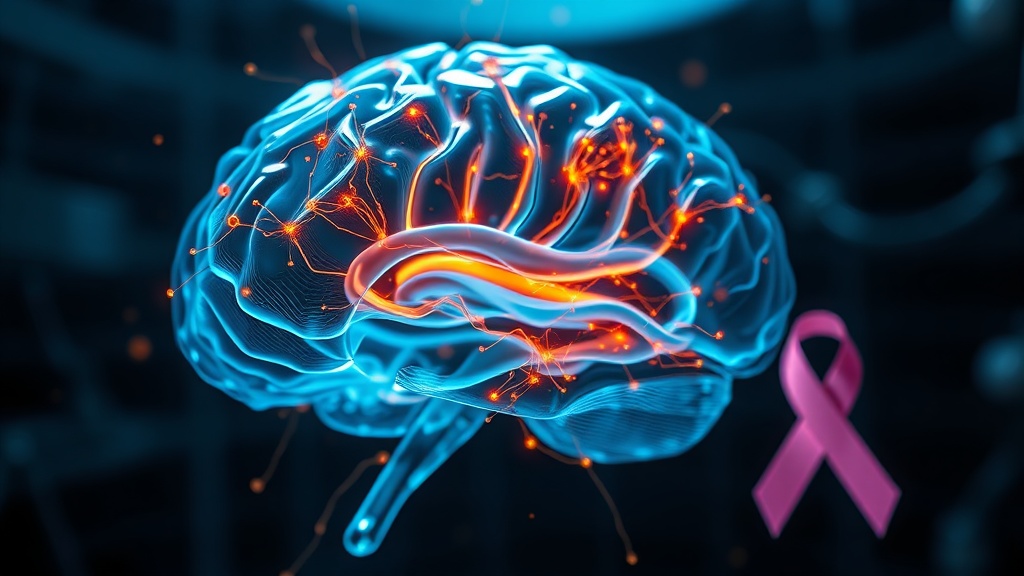
The results: psilocin provoked a 5-HT2A receptor-mediated augmentation of BDNF (brain-derived neurotrophic factor) abundance. Transcriptomic profiling revealed gene expression signatures that essentially prime neurons for plasticity — not just a transient response, but a coordinated shift in the molecular machinery that governs synaptic remodeling[1].
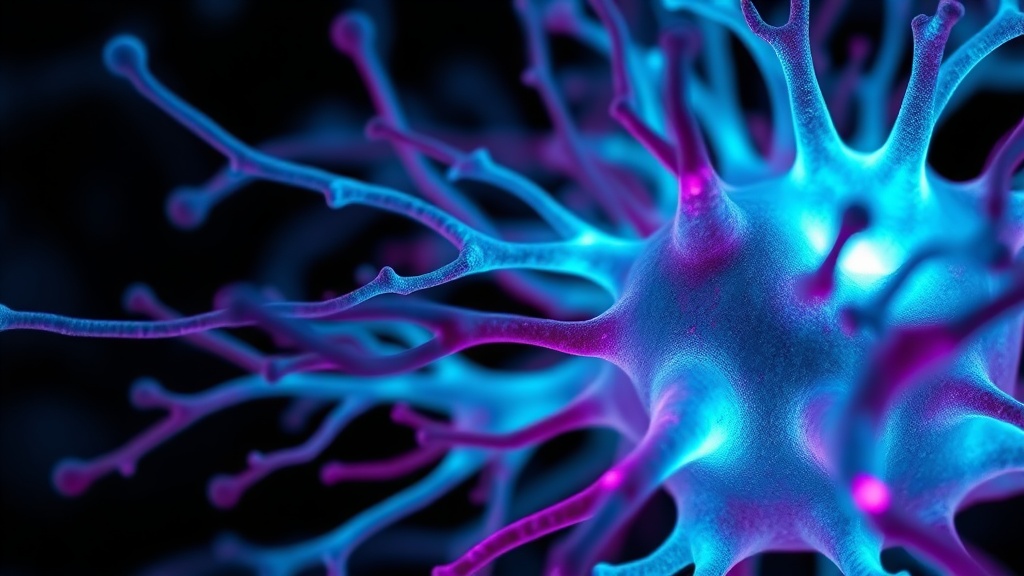
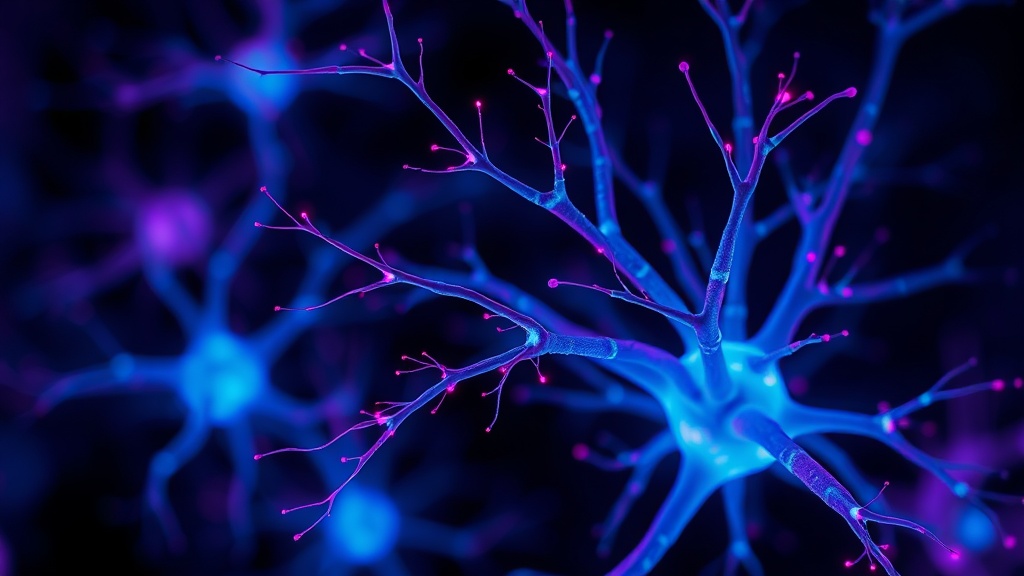
On a structural level, psilocin-treated neurons showed enhanced morphological complexity. More branching. Increased expression of synaptic proteins, with a notable emphasis on postsynaptic compartment markers. Functionally, these neurons demonstrated increased excitability and enhanced synaptic network activity[1].
I think the word "neuroplasticity" is doing too much work in popular coverage of psychedelics. What does it actually feel like when your postsynaptic density thickens? That's the question this data can't answer — but the fact that we can now observe these changes in human-derived neurons, with convincing methodology (eLife rated the evidence as "convincing" and the significance as "fundamental"), gives us a concrete biological vocabulary for something that has been frustratingly vague.
The Circuit Map: PT Neurons as the Critical Cell Type#
But here's where it gets complicated. Not all neurons respond equally, and the story of which cells carry psilocybin's lasting effects is emerging from parallel mouse work.
Jiang et al., published in Nature, used in vivo optical imaging and chemogenetic perturbation to demonstrate that psilocybin increases dendritic spine density in both pyramidal tract (PT) and intratelencephalic (IT) neurons in mouse medial frontal cortex. However, only PT neurons proved essential for psilocybin's ability to ameliorate stress-related behaviors. Silencing IT neurons? No detectable effect[5].
In PT neurons specifically, psilocybin boosted synaptic calcium transients and elevated firing rates acutely. And critically, targeted knockout of 5-HT2A receptors abolished both the behavioral and structural plasticity effects entirely[5]. This confirms the receptor dependency that the eLife iPSC study also identified — a convergence across species and methodologies.
Single-Cell Resolution: L5/6NP Neurons and GABAergic Suppression#
Zhou et al.'s preprint from bioRxiv adds granularity through single-cell RNA sequencing of mouse medial prefrontal cortex 24 hours after psilocybin administration. The most robustly regulated cell type was a class of deep-layer near-projecting (L5/6NP) neurons. Interestingly, this cell-type specificity didn't simply track with 5-HT2A receptor expression — it was consistent with integrated signaling via cell-type-specific 5-HT receptor co-expression patterns[3].
A finding I find particularly underappreciated: psilocybin broadly suppressed GABAergic inhibition across cell-cell communication networks[3]. This disinhibition may be a critical permissive condition for the plasticity cascade. If you reduce the brakes on neural activity while simultaneously upregulating BDNF-mTOR signaling, you create a window where synaptic connections can be rewritten. This reminds me of something from the critical period literature in developmental neuroscience — different context, but the pattern of disinhibition enabling plasticity holds.
Let me push back on one thing, though. The Zhou et al. data is from female mice only, and sex differences in serotonergic signaling are well-documented. I'd want to see this replicated across sexes before treating L5/6NP specificity as settled.
BDNF-mTOR: The Downstream Machinery#
Zhao et al., writing in the Journal of Psychopharmacology, filled in the downstream signaling cascade in a mouse depression model. A single dose of psilocybin ameliorated chronic corticosterone-induced neuroplasticity deficits in the prefrontal cortex and hippocampus. Specifically, they observed increases in dendritic branching, spine density, and levels of key synaptic proteins including PSD95, synapsin-1, and phosphorylated GluA1. BDNF-mTOR signaling pathway activation — increases in BDNF, TrkB receptor, and mTOR levels — accompanied these structural changes[4].
The hippocampal neurogenesis finding (increased DCX-positive cells) is worth noting but also worth being cautious about. Adult human hippocampal neurogenesis remains debated, and mouse neurogenesis doesn't map cleanly onto what happens in adult human brains.
Set and Setting: The Human Synaptic Density Data#
Perhaps the most provocative piece of this puzzle comes from Johansen et al.'s preprint. In 15 healthy participants, a single dose of psilocybin altered synaptic density as measured by [¹¹C]UCB-J PET imaging of Synaptic Vesicle glycoprotein 2A in the frontal cortex and hippocampus, assessed one week post-dose[6].
The catch, though — and this is genuinely interesting — participants who received psilocybin in a therapeutic-like room showed greater increases in synaptic density than those dosed inside an MRI scanner. They also reported more intense mystical-type experiences and longer-lasting psychological benefits at three months[6].
This is a small study. Fifteen people, no placebo control for the synaptic density measure. But it suggests something that the preclinical data can't capture: the context in which neuroplasticity is triggered may shape what gets consolidated. The neurons don't exist in isolation from experience.
Key Neuroplasticity Markers Affected by Psilocin/Psilocybin
COMPARISON TABLE#
| Method | Mechanism | Evidence Level | Cost | Accessibility |
|---|---|---|---|---|
| Psilocybin/Psilocin | 5-HT2A → BDNF-mTOR → dendritic spine growth, postsynaptic protein upregulation | Convincing preclinical + early human PET data | Low (compound) / High (clinical setting) | Restricted — legal in limited jurisdictions |
| Ketamine (IV/Esketamine) | NMDA antagonism → AMPA surge → BDNF-mTOR activation | Strong human RCT evidence for depression | High (~$500–900/session) | FDA-approved (esketamine) — clinical access |
| SSRIs (e.g., fluoxetine) | Serotonin reuptake inhibition → gradual synaptic remodeling | Extensive RCT evidence, slow onset | Low (~$10–30/month) | Widely available globally |
| Transcranial Magnetic Stimulation (TMS) | Electromagnetic induction → cortical excitability modulation | Strong evidence for treatment-resistant depression | Moderate–High (~$300/session) | FDA-cleared — requires clinic |
| Lion's Mane (Hericium erinaceus) | NGF stimulation → potential neurite outgrowth | Limited human evidence, mostly preclinical | Low (~$20–40/month) | Over-the-counter supplement |
THE PROTOCOL#
Important disclaimer: Psilocybin remains a controlled substance in most jurisdictions. The following protocol reflects the current research parameters and is not medical advice. If you're exploring psilocybin-assisted therapy, do so only within legal frameworks and ideally under clinical supervision.
Step 1: Establish Baseline Neuropsychological Status. Before any psilocybin session, complete a validated self-assessment of mood, cognitive flexibility, and stress reactivity. Tools like the PHQ-9 for depression screening and the Five Facet Mindfulness Questionnaire provide trackable baselines. This is not optional — you need pre/post comparisons to distinguish signal from noise.
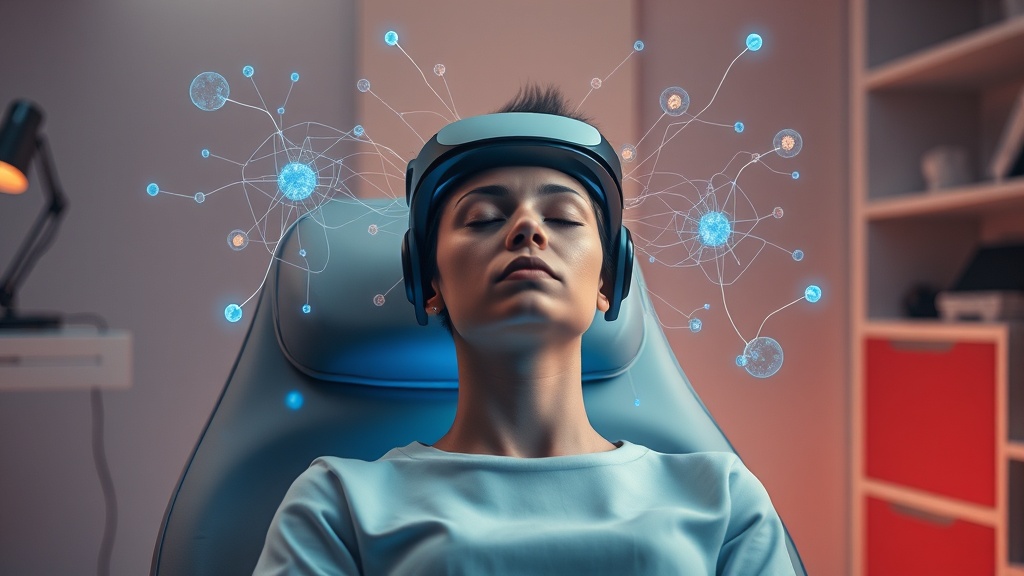
Step 2: Optimize the Setting. The Johansen et al. data suggests that environment meaningfully modulates neuroplastic outcomes[6]. A calm, therapeutic-like environment with comfortable furnishings, controlled lighting, and a trusted guide or therapist present appears to enhance both subjective experience and measurable synaptic changes. An MRI tube is not ideal. Nor is a festival.
Step 3: Dosing Parameters from Clinical Literature. Clinical trials typically use 25 mg of synthetic psilocybin (equivalent to roughly 3.5–5 g of dried Psilocybe cubensis, though potency varies enormously). The eLife study used psilocin directly on neurons in vitro, so dose translation is indirect. Start with the lowest clinically studied dose if working within a legal/clinical context, and never self-dose without medical oversight.
Step 4: The Integration Window Is the Protocol. Based on the convergent data showing BDNF upregulation, dendritic spine growth, and synaptic protein increases occurring within 24–72 hours post-dose, the days following a psilocybin experience represent a critical neuroplastic window. Use this period for structured psychological integration — therapy sessions, journaling, mindfulness practice. The GABAergic suppression data from Zhou et al. suggests the brain may be in a temporarily disinhibited state that's receptive to new learning[3].

Step 5: Support Ongoing Plasticity Through Lifestyle. The BDNF-mTOR pathway activated by psilocybin is also responsive to exercise, sleep quality, and nutritional factors. Aerobic exercise within the integration window may synergize with psilocybin-induced plasticity. Prioritize 7–9 hours of sleep (synaptic consolidation is sleep-dependent) and ensure adequate protein intake for the structural remodeling process.
Step 6: Track and Reassess at 1 Week and 3 Months. Johansen et al. measured synaptic density changes at one week and subjective outcomes at three months[6]. Repeat your baseline assessments at these intervals. If pursuing this within a clinical program, discuss results with your provider.
Related Video
VERDICT#
8.2 / 10
The convergence here is what earns the high score. We now have human iPSC neuron data (eLife), mouse circuit-level specificity (Nature), single-cell transcriptomics (bioRxiv), downstream signaling characterization (Journal of Psychopharmacology), and a small but suggestive human PET imaging study — all pointing in the same direction. Psilocin activates 5-HT2A receptors, upregulates BDNF, remodels synaptic architecture, and enhances neural excitability. The iPSC data from eLife is the most important new contribution because it bridges the species gap that has limited translational confidence.
Where I dock points: the human data remains thin. Fifteen participants without a placebo-controlled synaptic density comparison is preliminary. The iPSC neurons, while human, exist outside the circuit context that clearly matters (PT vs. IT selectivity, GABAergic disinhibition). And I'm less convinced by anyone who frames psilocybin neuroplasticity as an unqualified good — plasticity is direction-agnostic, and the conditions under which it occurs shape whether outcomes are therapeutic or destabilizing. The setting data from Johansen et al. hints at this, but the field needs to take it more seriously.
Still — this is the most mechanistically coherent picture of psychedelic-induced neuroplasticity we've had. The trajectory is clear, even if the destination isn't fully mapped.
Frequently Asked Questions5
References
- 1.Author(s) not listed. Psilocin fosters neuroplasticity in iPSC-derived human cortical neurons. eLife (2026). ↩
- 2.Lewis S. Psilocybin shapes neural plasticity in selective brain networks. Nature Reviews Neuroscience (2026). ↩
- 3.Zhou D, Schuler H, Cvetkovska V, Meccia J, Harutyunyan AS, Ragoussis J, Bagot RC. Single-cell sequencing reveals psilocybin induces sustained cell-type specific plasticity in mouse medial prefrontal cortex. bioRxiv (2025). ↩
- 4.Zhao X, Du Y, Yao Y, Dai W, Yin Y, Wang G, Li Y, Zhang L. Psilocybin promotes neuroplasticity and induces rapid and sustained antidepressant-like effects in mice. Journal of Psychopharmacology (2024). ↩
- 5.Jiang Q et al.. Psilocybin triggers an activity-dependent rewiring of large-scale cortical networks. Nature (2025). ↩
- 6.Johansen A, Plavén-Sigray P, Madsen MK, Søndergaard A. Psilocybin's effect on human brain synaptic plasticity. Research Square (2025). ↩
Fen Adler
Fen writes with psychological nuance and a slightly meandering quality that feels human. He'll start pursuing one idea, realize it connects to something else, and follow it briefly before returning: 'This reminds me of something from the attentional blink literature — different context, but the pattern holds.' He's interested in the experience, not just the mechanism, which means he'll occasionally ask: 'What does this actually feel like?' when discussing neurological effects.
View all articles →