Photobiomodulation vs Cryotherapy for Muscle Recovery: Evidence

THE PROTOHUMAN PERSPECTIVE#
Skeletal muscle isn't just tissue. It's metabolic currency. Every percentage point of lean mass you lose past 40 correlates with reduced insulin sensitivity, blunted mitochondrial efficiency, and accelerated biological aging. The question has never been whether recovery modalities matter — it's which ones actually shift the needle at the cellular level.
PBMT sits at an inflection point. The clinical literature is building a case that targeted light therapy does something cryotherapy cannot: it intervenes at the mitochondrial membrane, potentially upregulating cytochrome c oxidase activity and modulating inflammatory cascades before they cascade. For the biohacker community, this matters because it suggests a tool that doesn't just mask soreness — it may alter the trajectory of muscle repair itself. But the gap between what the research shows and what your $200 red light panel delivers remains vast. Parameters matter. Most people ignore them.
THE SCIENCE#
What PBMT Actually Does (And Doesn't Do)#
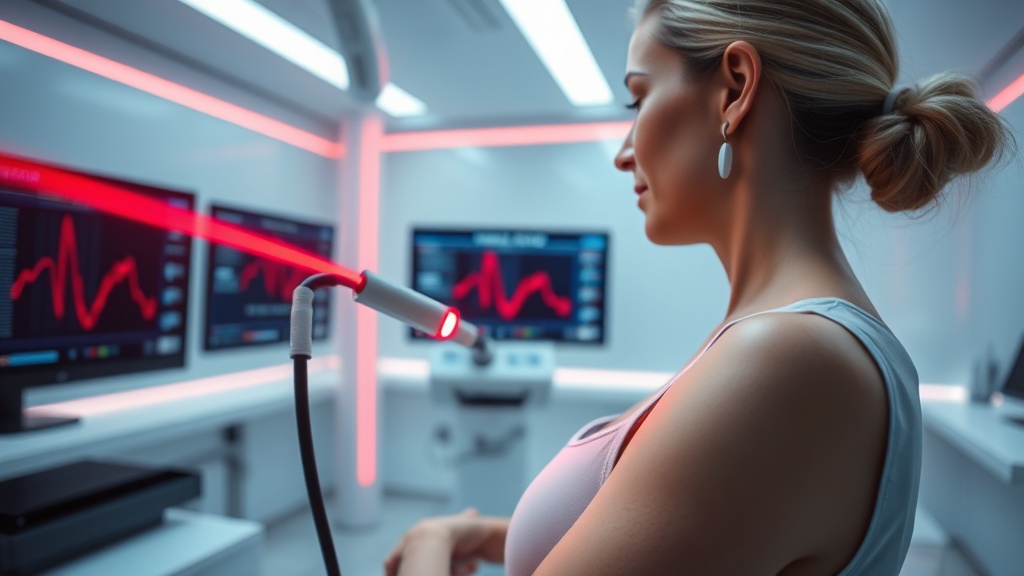
Photobiomodulation therapy — previously called low-level laser therapy or LED therapy — applies specific wavelengths of light (typically 630–1000 nm) to tissue. The proposed mechanism centers on cytochrome c oxidase in the mitochondrial electron transport chain. Photon absorption dissociates nitric oxide from the enzyme, restoring oxygen binding and increasing ATP output. That's the elevator pitch. The reality is messier.
The strongest comparative data comes from Fisher et al., who conducted a critically appraised topic review examining PBMT versus cryotherapy for skeletal muscle recovery [3]. All five included studies — three moderate- to high-quality double-blinded RCTs in humans and two translational rat studies — favored PBMT. The therapy reduced creatine kinase levels, lowered inflammation markers, and decreased blood lactate concentrations more effectively than cryotherapy. That's not a marginal finding. Creatine kinase is the gold standard proxy for muscle damage, and seeing consistent reductions across multiple trial designs carries weight.
But here's where I push back. Two of those five studies were rat models. And the human trials, while double-blinded and placebo-controlled, aren't large-scale. The evidence is directional, not definitive. I'd call it promising — not proven.
TNF-α Suppression and Muscle Fiber Hypertrophy#
Gregio et al. examined PBMT combined with aquatic training in Wistar rats undergoing compensatory hypertrophy [4]. The combination reduced TNF-α expression — a pro-inflammatory cytokine directly implicated in muscle catabolism — and enhanced muscle fiber cross-sectional area in the plantar muscle. TNF-α is not a trivial target. Elevated levels drive proteolytic pathways through NF-κB activation, accelerating muscle breakdown.
The combination therapy outperformed either intervention alone. That's the finding worth noting. PBMT didn't just add a marginal benefit on top of exercise — the synergy produced a measurably different inflammatory and hypertrophic profile.
The catch, though. These are rats. Not humans. Not aged humans. Not humans with sarcopenia. The translational gap between rodent compensatory hypertrophy models and a 62-year-old trying to preserve quad mass is enormous. I've seen too many studies make that leap without flagging it.
The Mitochondrial Connection: Astaxanthin and the NRF2-SIRT3 Axis#
The astaxanthin study from npj Aging adds a parallel dimension [1]. While not a PBMT study directly, it illuminates the same mitochondrial pathways that photobiomodulation targets. Astaxanthin enhanced proliferation and myogenic commitment of aged human muscle progenitor cells, with effects mediated through increased NRF2 and SIRT3 expression. SIRT3 is a mitochondrial deacetylase critical for maintaining electron transport chain function and managing ROS production.
Here's what caught my attention: the sexual dimorphism. Male hMPCs showed increased SIRT3 mitochondrial expression with astaxanthin treatment. Female hMPCs did not. The NRF2-SIRT3 axis appears to be a key driver of the sex-specific response, suggesting that mitochondrial-targeted interventions — whether chemical or photonic — may need sex-stratified protocols. This has implications for PBMT as well, though no photobiomodulation study I've reviewed has adequately stratified by sex. That's a gap.
Mechanical Stimulation: A Complementary Pathway#
The Nature Communications study on mechanical rejuvenation of senescent stem cells adds another layer [2]. Moderate mechanical stimulation restored intracellular force in senescent bone marrow stem cells, increased chromatin accessibility at the FOXO1 locus, and reversed markers of cellular senescence in aged mice. Physical performance improved. Systemic inflammation showed a tendency to decrease.
The critical finding: excessive force induced chromatin overextension and DNA damage. Dose matters. Whether you're applying mechanical load or photonic energy, the therapeutic window is real and the margins can be tight. This parallels PBMT dosimetry — too little does nothing, too much can increase oxidative stress. The biphasic dose response (Arndt-Schulz curve) isn't just theoretical in photobiomodulation. It's functional.
PBMT in Metabolic and Inflammatory Contexts#
The systematic review and meta-analysis by the IJMS group evaluated PBMT's effects on metabolic, inflammatory, and neurological outcomes in type 2 diabetes [6]. While not muscle-specific, T2DM is characterized by chronic low-grade inflammation, oxidative stress, and impaired mitochondrial function — the same pathological triad that drives age-related muscle decline. The authors found PBMT showed potential as a complementary approach, though they explicitly noted that effects in T2DM remain unclear and require further controlled investigation.
Honest assessment: the meta-analysis is useful for establishing that PBMT's anti-inflammatory effects extend beyond acute muscle damage into chronic metabolic states. But "unclear" is doing a lot of work in that conclusion.
PBMT vs Cryotherapy: Outcomes Across Recovery Markers
COMPARISON TABLE#
| Method | Mechanism | Evidence Level | Cost | Accessibility |
|---|---|---|---|---|
| PBMT (clinical-grade) | Cytochrome c oxidase photon absorption → ATP upregulation, NO dissociation | Moderate (multiple RCTs, CAT review) | $2,000–$15,000 device | Limited — clinical settings, specialized devices |
| Cryotherapy (whole-body) | Vasoconstriction → reduced metabolic waste, nerve conduction slowing | Moderate (established practice, mixed RCT outcomes) | $50–$80/session; $30,000+ units | Moderate — gyms, recovery centers |
| Cold Water Immersion | Hydrostatic pressure + cold-induced vasoconstriction | Moderate-High (large evidence base) | $0–$500 (tub/ice) | High — universally available |
| Astaxanthin (oral) | NRF2-SIRT3 axis activation, ROS scavenging, mitochondrial support | Preliminary (in vitro, aged hMPCs) | $15–$40/month | High — supplement form |
| Mechanical Stimulation | FOXO1 chromatin remodeling, senescence reversal | Preliminary (mouse models) | Variable (exercise is free; devices vary) | High — bodyweight loading available |
| Consumer Red Light Panels | Similar proposed mechanism to PBMT; lower irradiance, inconsistent parameters | Low (few validated at consumer specs) | $100–$1,500 | High — home use |
THE PROTOCOL#
Based on current evidence, here's how to integrate PBMT into a muscle recovery strategy. I want to be clear: optimal dosing in humans is not yet fully established. These parameters draw from the clinical literature, not from marketing materials.
Step 1: Identify your wavelength range. Target 630–660 nm (red) for superficial tissue and 810–850 nm (near-infrared) for deeper muscle penetration. Dual-wavelength devices covering both ranges are preferable. Wavelength matters more than brand name. If the manufacturer won't publish the spectral output, walk away.
Step 2: Verify irradiance and dose. Clinical studies showing positive outcomes typically use irradiance of 10–50 mW/cm² and energy densities of 1–6 J/cm² per treatment site. Measure at the tissue surface, not at the diode. Most consumer panels specify output at the LED, which overstates actual tissue delivery by 40–70%. Get a solar power meter. They cost $25.
Step 3: Apply pre-exercise or immediately post-exercise. The Fisher et al. review suggests PBMT applied before exercise may precondition muscle tissue, reducing subsequent damage markers [3]. Post-exercise application within 30 minutes targets the acute inflammatory window. Both timing strategies have shown benefit. Pick one and be consistent.
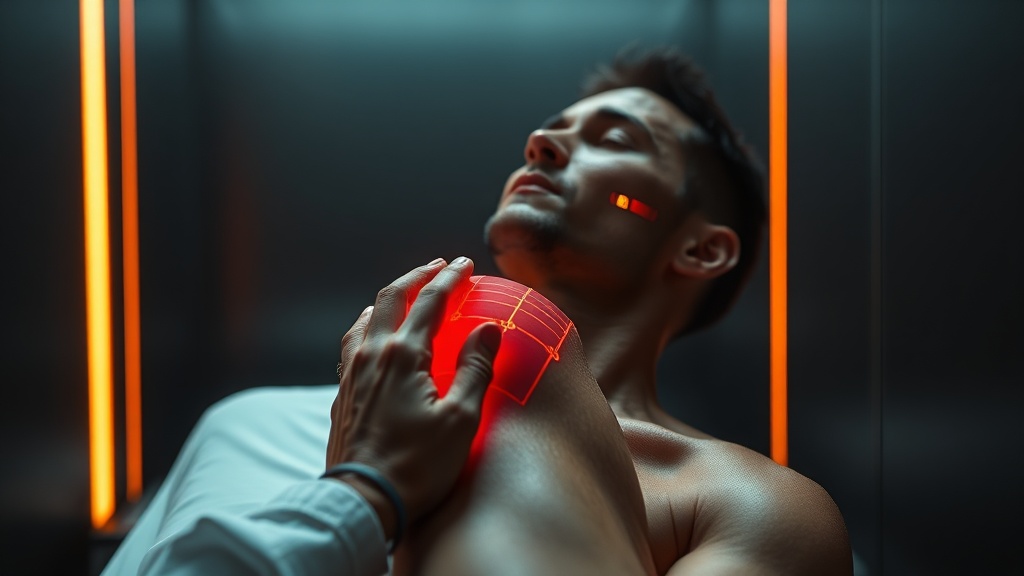
Step 4: Target specific muscle groups directly. Hold the device 0–6 inches from skin over the target muscle. Treat each site for 30–120 seconds depending on your device's verified irradiance. Don't wave it around. Stationary application per point. Cover the full muscle belly systematically.
Step 5: Consider stacking with anti-inflammatory nutritional support. Based on the astaxanthin data, adding 8–12 mg/day of astaxanthin may support mitochondrial function through the NRF2-SIRT3 pathway [1]. This is preclinical evidence applied speculatively — I'd frame it as a low-risk adjunct, not a proven protocol. Take with a fat-containing meal for absorption.
Step 6: Incorporate controlled mechanical loading. The mechanical stimulation data suggests that moderate-intensity resistance training complements photonic interventions by activating overlapping anti-senescence pathways [2]. Avoid excessive loading that could drive DNA damage. Progressive overload, not maximal effort, aligns with the chromatin remodeling findings.
Step 7: Track recovery markers subjectively and objectively. Use HRV monitoring (morning resting measurements) and perceived recovery scales. If you have access, periodic creatine kinase blood draws offer direct comparison to the clinical endpoints used in the PBMT literature.
Related Video
What is photobiomodulation therapy and how does it differ from a standard red light panel?#
PBMT uses specific wavelengths of light at validated irradiance levels to stimulate mitochondrial function in target tissue. The critical difference between clinical PBMT and consumer red light panels is parameter control — wavelength precision, measured irradiance at the tissue surface, and documented energy density per treatment point. Most consumer panels lack third-party verification of their output specifications, which means you genuinely don't know what dose you're getting. That uncertainty undermines the entire mechanism.
Why might PBMT outperform cryotherapy for muscle recovery?#
The Fisher et al. review found PBMT superior across creatine kinase, inflammation markers, and blood lactate in all five included studies [3]. The proposed mechanism is fundamentally different: cryotherapy slows metabolic processes through temperature reduction, while PBMT may actively upregulate mitochondrial ATP production and modulate inflammatory signaling at the cellular level. One suppresses. The other potentially accelerates repair. Whether that translates to faster functional recovery in real-world athletic populations still needs larger trials.
How does sex affect the response to mitochondrial-targeted recovery interventions?#
The astaxanthin study revealed significant sexual dimorphism in aged muscle progenitor cell responses [1]. Male cells showed increased SIRT3 mitochondrial expression while female cells did not, despite both showing NRF2 upregulation. This suggests that mitochondrial interventions — potentially including PBMT — may produce different outcomes based on sex. No major PBMT muscle recovery trial has published sex-stratified results, which is a genuine blind spot in the field.
When should PBMT be applied relative to exercise for best results?#
Both pre-exercise and immediate post-exercise application have shown benefit in the reviewed literature. Pre-exercise PBMT may precondition the muscle against damage, while post-exercise application targets the acute inflammatory cascade. I'd suggest starting with post-exercise application within 30 minutes of training, as this aligns with more of the available data, then experimenting with pre-exercise protocols once you've established your baseline response.
What are the risks of using photobiomodulation incorrectly?#
The primary risk is biphasic dose response — excessive energy density can increase oxidative stress rather than reduce it. This parallels findings from the mechanical stimulation literature, where excessive force caused chromatin overextension and DNA damage [2]. With PBMT, the therapeutic window is real. Underdosing wastes time. Overdosing may be counterproductive. This is exactly why verified irradiance measurements matter and why "more is better" thinking doesn't apply here.
VERDICT#
7/10. The directional evidence for PBMT in skeletal muscle recovery is consistent and the mechanistic rationale is sound. Every study in the Fisher review favored PBMT over cryotherapy, and the TNF-α suppression data from the Gregio group adds biological plausibility. But I'm not giving this an 8 because the human trial sample sizes remain small, two of five key studies are rat models, no large-scale RCT has been published with standardized parameters, and the consumer device market is a mess of unverified claims. The science is ahead of the products. If you can verify your device parameters and apply with precision, PBMT earns its place in a recovery stack. If you're waving a $150 panel vaguely at your legs, you're probably not replicating what the literature actually tested.
References
- 1.Author(s) not listed. Astaxanthin improves myogenicity of aged skeletal muscle progenitor cells in a sexually dimorphic manner. npj Aging (2026). ↩
- 2.Author(s) not listed. Mechanical rejuvenation of senescent stem cells and aged bone via chromatin remodeling. Nature Communications (2026). ↩
- 3.Fisher SR, Rigby JH, Mettler JA, McCurdy KW. The Effectiveness of Photobiomodulation Therapy Versus Cryotherapy for Skeletal Muscle Recovery: A Critically Appraised Topic. Journal of Sport Rehabilitation (2025). ↩
- 4.Gregio VA, Martinelli A, Malavazzi TCS, Andreo L, Terena SML, Bussadori SK, Marcos RL, Horliana ACRT, Fernandes KPS, Mesquita-Ferrari RA. Photobiomodulation and aquatic training reduce TNF-α expression and enhance muscle fiber area in Wistar rats with compensatory hypertrophy. Lasers in Medical Science (2025). ↩
- 6.Author(s) not listed. Effects of Photobiomodulation on Metabolic, Inflammatory, and Neurological Outcomes in Type 2 Diabetes: A Systematic Review and Meta-Analysis. International Journal of Molecular Sciences (2026). ↩
Sova Reld
Sova writes with focused intensity and low tolerance for vague claims. She came to photobiomodulation through personal experimentation and is irritated by both true believers and reflexive skeptics. Her writing has edge: 'The wellness market has done more damage to this field than the skeptics ever could.' She's extremely precise about parameters — wavelength, irradiance, duration — and will tell you when a study used inadequate dosing without apology.
View all articles →