Neuroplasticity and Addiction Recovery: New Brain Restoration Science

SNIPPET: Substance use disorder rewires the brain through maladaptive neuroplasticity affecting dopaminergic, glutamatergic, and neurotrophic systems — but emerging evidence from 57 studies shows recovery is possible through multimodal interventions combining neuromodulation, psychoplastogens, epigenetic therapies, and memory reconsolidation techniques that restore prefrontal cortex function and normalize reward circuitry.
THE PROTOHUMAN PERSPECTIVE#
This is where addiction science finally catches up with what the biohacking community has intuited for years: the brain isn't static, and neither is the damage. Substance use disorder has long been framed as a moral failure or, more generously, a chronic disease with limited treatment options. But the latest synthesis of neuroplasticity research flips that script. Recovery isn't just abstinence — it's active neural reconstruction.
For anyone optimizing cognitive performance, this matters beyond addiction. The same synaptic machinery that gets hijacked by substances — BDNF signaling, glutamatergic homeostasis, prefrontal-accumbens connectivity — is the machinery you're trying to enhance. Understanding how it breaks tells you how it works. And the emerging therapeutic toolkit — from personalized deep brain stimulation to mGluR2 receptor activation — represents the next frontier of targeted neuroplasticity, whether you're recovering from opioid dependence or trying to sharpen executive function after years of chronic stress.
The convergence here is striking. We're no longer talking about one pathway or one drug. We're talking about multi-level restoration.
THE SCIENCE#
What Substance Use Disorder Actually Does to Neural Architecture#
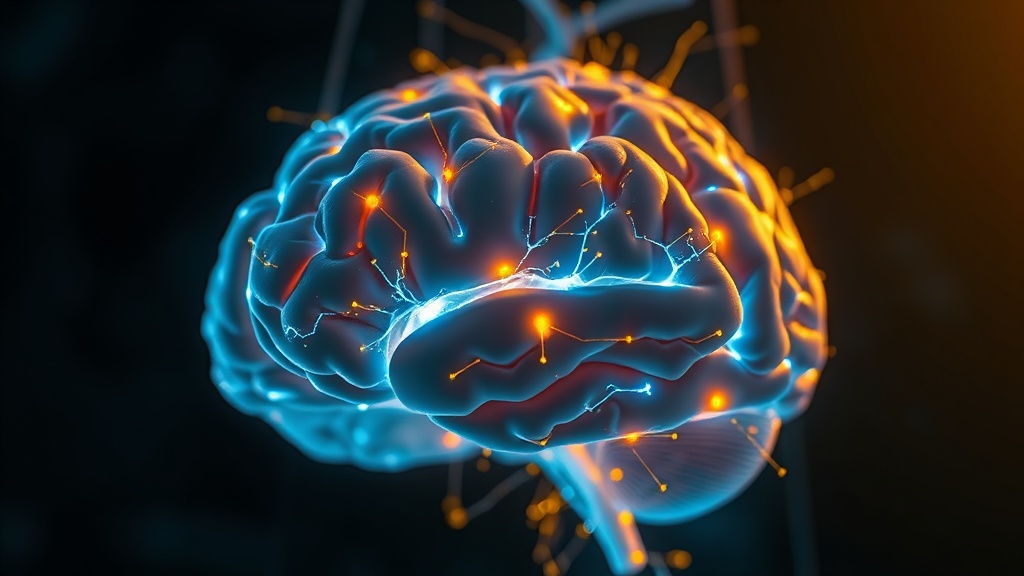
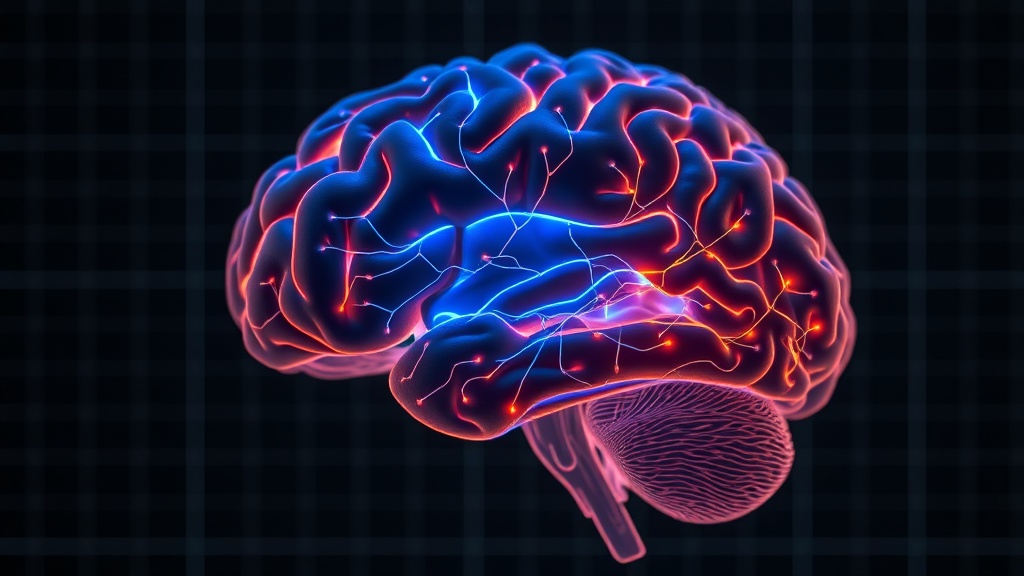
Substance use disorder (SUD) is a neurobiological condition defined by the consolidation of maladaptive neuroplasticity — the brain literally rewiring itself to prioritize drug-seeking over everything else. A systematic review by Turpo-Chaparro, Briones-Llamoctanta, and Estrada-Medina (2026), integrating 57 studies published between 2020 and 2025, maps this damage across multiple levels: molecular, synaptic, and circuit-wide[1].
The key systems affected are dopaminergic reward pathways, glutamatergic signaling (which governs excitatory neurotransmission), and BDNF/TrkB neurotrophic signaling — the molecular infrastructure responsible for synaptic strengthening and neuronal survival. Consistent alterations in synaptic density were found across the prefrontal cortex (PFC), nucleus accumbens (NAc), and amygdala — three regions that collectively govern decision-making, reward valuation, and emotional memory[1].
I think the word "damage" is doing too much work here, actually. What's happening isn't simple deterioration. It's reorganization — the brain becomes extremely efficient at the wrong things. Craving pathways get strengthened while executive control circuits atrophy. It's plasticity working against the organism.
The Dopamine Switch: From Hypo to Hyper#
One of the more striking findings comes from Valenti et al. (2025) at the Medical University of Vienna, working with amphetamine models in mice. After repeated amphetamine exposure, ventral tegmental area (VTA) dopamine neuron activity initially drops — a hypodopaminergic state lasting roughly 4 days. Then, within 15 days of abstinence, it flips to a hyperdopaminergic state[3].
This isn't just academic. The initial suppression was coordinated through an amygdala → nucleus accumbens → VTA pathway, while the subsequent hyperactivity relied on the ventral hippocampus. Two different circuits driving two opposite problems during the same withdrawal timeline. The practical implication: treating early abstinence and late abstinence may require fundamentally different approaches.
The catch, though — this is mouse data. I'd want to see this temporal switching pattern confirmed in human neuroimaging before building protocols around it. The circuit logic is plausible, but translating rodent VTA electrophysiology to human clinical timelines is where many promising findings have quietly died.
mGluR2 as a Restoration Target#
Here's where the Valenti study gets genuinely interesting for anyone thinking about targeted interventions. Selective activation of mGluR2 (but not mGluR3) receptors restored the hypodopaminergic VTA state toward physiological levels during early abstinence[3]. This restoration depended on glutamatergic transmission within the NAc and propagation through the ventral pallidum.
This is a specific, mechanistically characterized pathway for pharmacological intervention during withdrawal. Not a blunt serotonergic hammer. Not generalized dopamine replacement. A targeted glutamatergic modulation that works through identified circuit nodes.
Deep Brain Stimulation Gets Personal#
Perhaps the most clinically advanced finding comes from Qiu, Nho, Seilheimer et al. (2026), published in Nature Communications. In a proof-of-principle case study, researchers used drug-cue-reactivity recordings from the nucleus accumbens to optimize deep brain stimulation (DBS) in a patient with opioid use disorder[2].
The approach was straightforward in concept but unprecedented in execution: they identified a drug-cue-evoked electrophysiological signal in the ventral NAc that correlated with elevated craving, then demonstrated that stimulation delivered to that same area attenuated the signal. This biomarker-informed reprogramming resulted in sustained suppression of drug-related cravings[2].
Over 30% of people with opioid use disorder don't respond to available treatments — that's the population this targets. And the principle of using real-time electrophysiology to personalize neuromodulation parameters has implications far beyond addiction. This is what precision neuroscience actually looks like, as opposed to the vague promise of it.
But let me push back: it's a single patient. One case. The word "sustained" in a case report carries different weight than in a randomized controlled trial. I find the mechanism compelling and the approach elegant, but anyone treating this as validated clinical evidence is getting ahead of the data.
Four Domains of Neuroplastic Restoration#
The Turpo-Chaparro systematic review identifies four therapeutic domains that showed capacity to restore neuroplasticity in the SUD-affected brain[1]:
- Neuromodulation — rTMS, tDCS, and DBS normalizing prefrontal activity and modulating reward networks
- Psychoplastogens — compounds promoting neuroplasticity via neurotrophic signaling (BDNF/TrkB pathways)
- Epigenetic and anti-inflammatory interventions — addressing the chromatin-level changes and neuroinflammation that maintain maladaptive plasticity
- Memory reconsolidation-based psychotherapy — targeting the associative memories that drive cue-reactivity and relapse
What matters is the convergence. No single domain was sufficient. Recovery appears to require simultaneous intervention at molecular, synaptic, and circuit levels[1].
Therapeutic Domains for SUD Neuroplastic Restoration
The Broader Plasticity Landscape#
An editorial by Allegra Mascaro, Baroncelli, and Cambiaghi (2026) in Frontiers in Cellular Neuroscience reinforces the convergence thesis from a different angle — neurodevelopmental and neurodegenerative disorders[4]. Their synthesis highlights that behavioral interventions (including voluntary exercise) remain among the most consistent drivers of plasticity across conditions, and that effective plasticity enhancement requires manipulation at molecular, cellular, and circuit levels simultaneously.
This reminds me of something from the attentional blink literature — different context, but the pattern holds. Single-target interventions consistently underperform multi-level approaches when the problem spans multiple systems.
COMPARISON TABLE#
| Method | Mechanism | Evidence Level | Cost | Accessibility |
|---|---|---|---|---|
| Deep Brain Stimulation (NAc) | Direct neuromodulation of reward circuitry; biomarker-guided | Case study / proof-of-principle | Very high ($50K–$100K+) | Specialized surgical centers only |
| rTMS (Prefrontal) | Non-invasive cortical stimulation; normalizes PFC activity | Multiple small RCTs | Moderate ($200–$500/session) | Growing clinical availability |
| tDCS | Low-current cortical stimulation; modulates excitability | Small trials, mixed results | Low ($30–$100 home devices) | High (consumer devices exist) |
| mGluR2 Agonists | Targeted glutamatergic restoration of VTA dopamine balance | Preclinical (mouse models) | Unknown (experimental) | Not yet clinically available |
| Psychoplastogens (BDNF modulators) | Neurotrophic signaling enhancement | Preclinical + early clinical | Variable | Limited (research settings) |
| Memory Reconsolidation Therapy | Destabilizes and updates drug-associated memories | Small human trials | Low–moderate (therapist fees) | Moderate (trained therapists needed) |
| Standard Pharmacotherapy (MAT) | Opioid receptor agonism/antagonism (methadone, buprenorphine) | Strong RCT evidence | Low–moderate | Widely available |
THE PROTOCOL#
A neuroplasticity-focused recovery support protocol based on the current evidence. This is not a replacement for clinical addiction treatment — it's a framework for those working with qualified professionals who want to incorporate plasticity-enhancing strategies.
Step 1: Establish baseline neurological assessment. Before any intervention, get a comprehensive evaluation including cognitive testing (Montreal Cognitive Assessment or equivalent), and if accessible, quantitative EEG or fMRI connectivity mapping. This baseline is critical for measuring actual change, not perceived improvement.
Step 2: Prioritize glutamatergic homeostasis through evidence-supported supplements. N-acetylcysteine (NAC) at 1,200–2,400 mg/day has shown promise in restoring glutamate balance in the nucleus accumbens in both preclinical and early clinical studies. Take in divided doses, morning and evening. This targets the cystine-glutamate exchanger that becomes dysregulated in chronic substance use.
Step 3: Implement structured aerobic exercise — 150+ minutes per week. The Allegra Mascaro editorial confirms voluntary exercise as one of the most consistent drivers of neuroplasticity across conditions[4]. Aim for moderate-intensity aerobic activity (heart rate 60–75% max). This upregulates BDNF, enhances hippocampal neurogenesis, and improves prefrontal cortex function. Timing matters: morning exercise may better support circadian-aligned cortisol and dopamine rhythms.
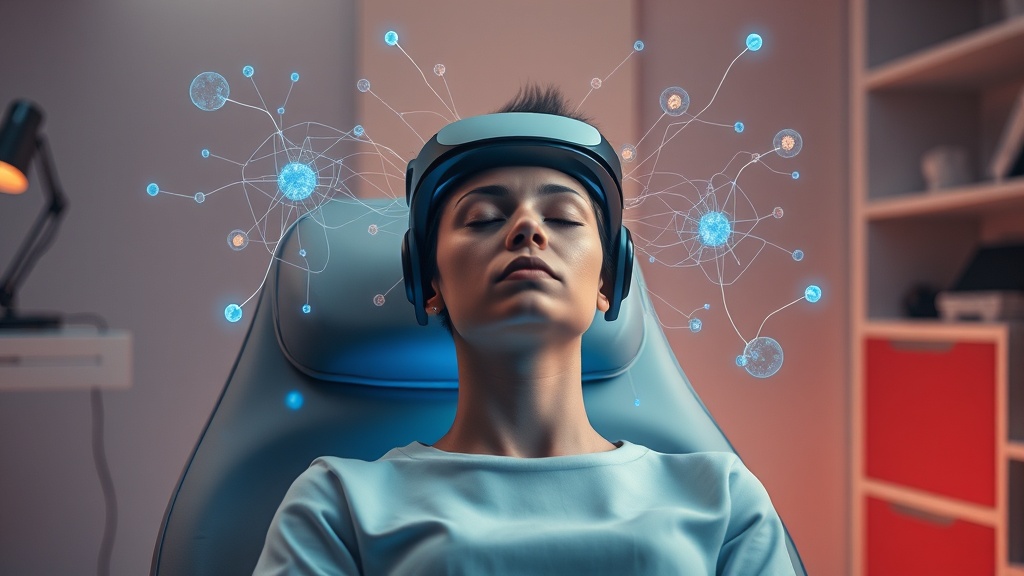
Step 4: Explore non-invasive neuromodulation with clinical guidance. Repetitive transcranial magnetic stimulation (rTMS) targeting the left dorsolateral prefrontal cortex (DLPFC) at 10 Hz has the strongest evidence base for reducing craving and normalizing prefrontal hypoactivation. Protocols typically involve 20–30 sessions over 4–6 weeks. tDCS is a lower-cost alternative, though the evidence is less consistent.

Step 5: Address neuroinflammation. Chronic substance use elevates neuroinflammatory markers. Anti-inflammatory strategies with evidence in the neuroplasticity literature include omega-3 fatty acids (2–4 g EPA/DHA daily), curcumin (500 mg bioavailable formulation), and reducing ultra-processed food intake. The Turpo-Chaparro review specifically identifies anti-inflammatory interventions as one of four core therapeutic domains[1].
Step 6: Engage in memory reconsolidation-based therapy. Work with a therapist trained in retrieval-extinction or reconsolidation-update approaches. These techniques destabilize drug-associated memories during a brief reconsolidation window (typically 10 minutes to 6 hours after retrieval) and pair them with new, non-drug associations. This is not standard CBT — it specifically targets the memory trace that drives cue-reactivity.
Step 7: Track progress with objective markers. Reassess cognitive function every 8–12 weeks. If accessible, repeat neuroimaging to monitor connectivity changes. Heart rate variability (HRV) tracking can serve as a proxy for autonomic recovery and prefrontal regulatory function. Look for trends over months, not days.
Related Video
What is neuroplasticity's role in addiction and recovery?#
Neuroplasticity is both the problem and the solution. Substances hijack normal synaptic plasticity mechanisms — strengthening drug-associated pathways while weakening executive control circuits in the prefrontal cortex. Recovery involves reversing this process through targeted interventions that restore BDNF signaling, glutamatergic balance, and prefrontal-accumbens connectivity. The Turpo-Chaparro systematic review confirms that this restoration requires intervention across molecular, synaptic, and circuit levels simultaneously[1].
How does deep brain stimulation work for opioid use disorder?#
DBS involves implanting electrodes that deliver electrical stimulation to specific brain regions — in this case, the nucleus accumbens. The Qiu et al. (2026) study in Nature Communications showed that by recording drug-cue-evoked electrophysiological signals from the NAc, clinicians could identify the precise stimulation site that suppressed craving[2]. It's still at the proof-of-principle stage with a single patient, but the approach represents a shift from anatomical targeting to biomarker-guided personalization.
Why do different withdrawal phases require different treatments?#
Valenti et al. (2025) demonstrated in mouse models that VTA dopamine neuron activity shifts from a hypodopaminergic state (first 4 days of abstinence) to a hyperdopaminergic state (by day 15), mediated by entirely different neural circuits[3]. Early abstinence suppression involves the amygdala-NAc-VTA pathway, while later hyperactivity depends on the ventral hippocampus. An intervention that works for one phase may be irrelevant — or counterproductive — for another.
What are psychoplastogens and how do they relate to addiction recovery?#
Psychoplastogens are compounds that promote structural and functional neuroplasticity, typically through enhancement of BDNF/TrkB signaling pathways. In the context of SUD recovery, they may help restore synaptic density and dendritic complexity that chronic substance use has degraded. The term covers a range of compounds from established molecules like ketamine to experimental agents. The evidence base is still developing, with most data coming from preclinical studies, and optimal dosing in humans is not yet established.
When should someone consider neuromodulation for substance use disorder?#
Non-invasive neuromodulation like rTMS should be considered when standard pharmacological and behavioral treatments have proven insufficient — particularly for individuals with persistent craving or measurable prefrontal hypoactivation. It's not a first-line treatment. DBS remains experimental and reserved for severe, treatment-resistant cases. In our analysis, the strongest case for neuromodulation exists when cognitive testing or neuroimaging reveals specific deficits that the technique is designed to address.
VERDICT#
Score: 7.5/10
The convergence of evidence here is genuinely important. The Turpo-Chaparro systematic review does what the field needed — synthesizing fragmented research into a coherent multi-level framework. The Qiu et al. DBS case study is elegant and points toward a future of personalized neuromodulation that I find more credible than most precision medicine claims. And the Valenti mGluR2 data adds mechanistic specificity that moves beyond vague calls for "more research."
But I'm less convinced by the overall clinical readiness than the papers' conclusions suggest. The systematic review acknowledges methodological heterogeneity and limited generalizability. The DBS work is n=1. The mGluR2 findings are preclinical. The gap between "we understand the mechanisms better" and "we can reliably restore neuroplasticity in clinical populations" remains wide. What I see is a strong conceptual framework with a thin translational bridge. Promising — genuinely — but not yet a protocol I'd follow with high confidence.
References
- 1.Turpo-Chaparro JE, Briones-Llamoctanta BE, Estrada-Medina R. Neuroplasticity and recovery of the brain affected by substance use disorder: multilevel mechanisms and new therapeutic strategies (2020–2025). Frontiers in Molecular Neuroscience (2026). ↩
- 2.Qiu L, Nho YH, Seilheimer RL et al.. Electrographic cue-reactivity co-localizes with accumbens deep brain stimulation in a case of opioid use disorder. Nature Communications (2026). ↩
- 3.Valenti O, Rekawek KA, Wieser S, Bulut H, Scholze P, Boehm S. Plasticity of ventral tegmental area disturbance during abstinence after repeated amphetamine exposure: restoration by selective activation of group II metabotropic glutamate receptors. Frontiers in Pharmacology (2025). ↩
- 4.Allegra Mascaro AL, Baroncelli L, Cambiaghi M. Editorial: Novel approaches to foster brain plasticity in neurodevelopmental and neurodegenerative disorders. Frontiers in Cellular Neuroscience (2026). ↩
Fen Adler
Fen writes with psychological nuance and a slightly meandering quality that feels human. He'll start pursuing one idea, realize it connects to something else, and follow it briefly before returning: 'This reminds me of something from the attentional blink literature — different context, but the pattern holds.' He's interested in the experience, not just the mechanism, which means he'll occasionally ask: 'What does this actually feel like?' when discussing neurological effects.
View all articles →