iTBS vs rTMS for Depression: Theta-Burst Stimulation Trial

THE PROTOHUMAN PERSPECTIVE#
Depression isn't a mood problem. It's a circuit problem — prefrontal-limbic networks misfiring, emotion regulation pathways running cold, cognitive reappraisal mechanisms stuck offline. And for the performance-optimization community, this matters whether or not you carry a clinical diagnosis, because the same circuits that collapse in major depressive disorder are the ones that govern executive function, stress resilience, and the capacity to reframe setbacks as data.
What we're looking at here is a head-to-head comparison of two non-invasive brain stimulation protocols — one old-guard, one newer and dramatically faster — and the results have implications far beyond the psychiatrist's office. If a three-minute stimulation session can outperform a 37-minute one on both depression scores and emotion regulation, the calculus of who can access brain stimulation shifts entirely. Shorter sessions mean lower costs, higher clinic throughput, and fewer barriers for anyone exploring neuromodulation as a cognitive tool. This is the kind of efficiency gain that changes adoption curves.
THE SCIENCE#
What iTBS and rTMS Actually Do to Your Brain#
Intermittent theta-burst stimulation (iTBS) is a patterned form of transcranial magnetic stimulation that delivers bursts of high-frequency pulses organized at a theta rhythm — mimicking endogenous neural oscillation patterns involved in synaptic plasticity. Standard repetitive transcranial magnetic stimulation (rTMS) uses a simpler 10 Hz pulse train delivered over longer periods. Both target the dorsolateral prefrontal cortex (DLPFC), a region central to emotion regulation, working memory, and top-down control of limbic structures like the amygdala.
The critical distinction isn't just speed. It's mechanism. iTBS appears to potentiate long-term potentiation (LTP)-like plasticity more efficiently than conventional rTMS, which is why a 192-second session can rival or exceed the effects of a 37.5-minute protocol[1]. This connects to deeper questions about how prefrontal-limbic circuit integrity drives not just mood, but the entire architecture of emotional processing.
The Deng et al. Trial: iTBS Pulls Ahead on Emotion Regulation#
The February 2026 randomized controlled trial by Deng, Yan, and colleagues at the University of Electronic Science and Technology of China enrolled 114 patients with MDD, of whom 106 completed the study[1]. Participants were assigned 1:1 to either sequential bilateral rTMS (n = 50) or iTBS targeting the left DLPFC (n = 56) over two weeks.
Here's what caught my attention. Both groups improved on the Hamilton Depression Rating Scale (HAMD) — no surprise there. But the iTBS group showed more pronounced improvements in both depressive symptoms and cognitive reappraisal. That second finding is the one I think the word "mood" obscures. Cognitive reappraisal is a specific emotion regulation strategy — the ability to reinterpret a situation to change its emotional impact. It's not just feeling better. It's thinking differently about feeling.
In the iTBS group, improvements in cognitive reappraisal were significantly associated with reductions in depressive symptoms (B = −0.324, P = 0.001). No such association appeared in the rTMS group[1]. This suggests iTBS may be doing something mechanistically distinct — not just suppressing symptoms, but enhancing the prefrontal circuits that allow a person to regulate their own emotional responses. That's a qualitatively different kind of improvement.
I think the word "mood" is doing too much work in how we talk about depression treatment. What this study actually measured was whether people could reframe their experience — and that's closer to a cognitive skill than a feeling state.
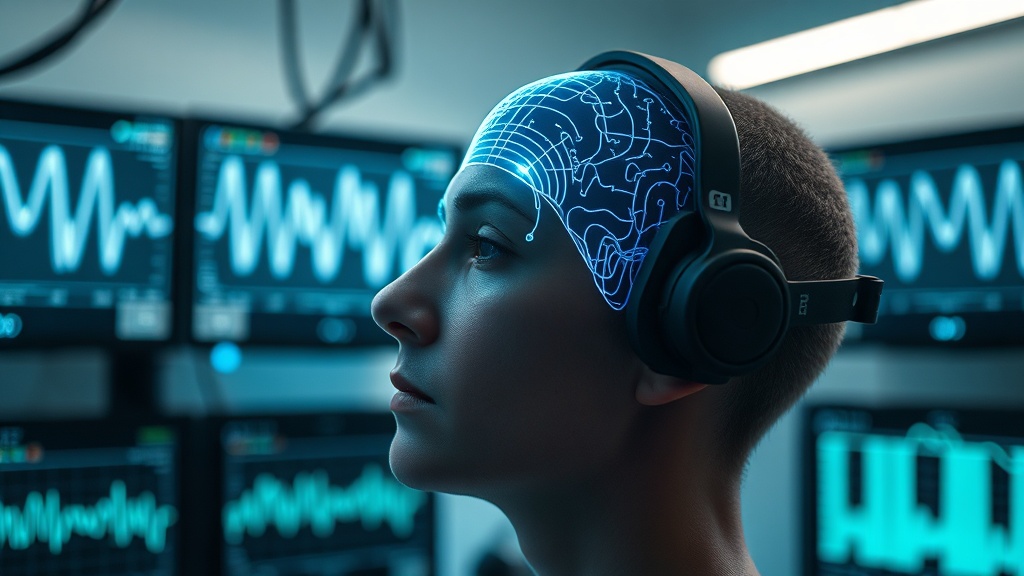
The Meta-Analytic Context: Equal Efficacy, Unequal Efficiency#
The Deng trial doesn't exist in a vacuum. A 2025 meta-analysis by Tao et al. pooled five RCTs involving 1,196 patients with treatment-resistant depression (TRD) and found no significant differences between rTMS and TBS in reducing depression (SMD = −0.07, 95% CI: −0.19 to 0.04) or anxiety (SMD = −0.02, 95% CI: −0.15 to 0.11)[3]. Side effect profiles were also comparable — headache, nausea, and fatigue occurred at similar rates.
But here's where it gets complicated. The Tao meta-analysis looked at TRD populations broadly and didn't disaggregate by TBS subtype (intermittent vs. continuous) or by stimulation laterality. The Deng trial specifically compared unilateral left DLPFC iTBS against sequential bilateral rTMS — a design that makes the iTBS group's superior cognitive reappraisal outcomes more interpretable, because left prefrontal cortex engagement is specifically implicated in positive reappraisal strategies.
Meanwhile, the BEAT-D trial by Wada, Nakajima, Blumberger, and colleagues tested whether bilateral TBS was non-inferior to bilateral rTMS in 180 participants with TRD[4]. The result: non-inferiority could not be established, with a −2.44 point difference on the Montgomery-Åsberg Depression Rating Scale favoring rTMS. This is an important counterpoint. Bilateral TBS — combining iTBS to the left DLPFC and continuous TBS (cTBS) to the right — didn't match bilateral rTMS, at least in that sample.
So we have a split picture. Unilateral iTBS may outperform bilateral rTMS on emotion regulation measures. Bilateral TBS may underperform bilateral rTMS on depression severity. The protocol geometry matters enormously here, and I'd want to see this replicated before drawing hard lines.
The Systematic Review: iTBS vs. cTBS Remains Murky#
Li, Shi, Yang, and colleagues published a systematic review in February 2026 comparing iTBS to continuous theta-burst stimulation (cTBS) across MDD and bipolar depression[2]. They identified only three RCTs (n = 87) — a sample so small that the honest answer is we simply don't have enough data to declare a winner between iTBS and cTBS.
One study showed daily iTBS outperforming daily cTBS for depressive symptoms. Two others found accelerated iTBS and accelerated cTBS comparable in MDD and bipolar populations[2]. The review's conclusion was appropriately cautious: efficacy and safety comparisons remain uncertain. I'm less convinced by the attempt to draw any directional conclusions from 87 total participants across three studies. That's barely enough to power a single arm.
Treatment Session Duration Comparison
A Case Worth Noting: When iTBS Fails and cTBS Rescues#
Sun, Zhang, and Wang reported a case of a 53-year-old woman with treatment-resistant depression who had failed pharmacotherapy, iTBS, and electroconvulsive therapy over two years[5]. She then received accelerated continuous theta-burst stimulation (a-cTBS) targeting the right DLPFC — 18,000 pulses daily for five consecutive days. Her Montgomery Depression Rating Scale score dropped from 32 to 9. Suicidal ideation disappeared.
A single case proves nothing about population-level efficacy, obviously. But it does something else — it reminds us that the relationship between stimulation parameters and individual neurobiology isn't a simple formula. What does treatment resistance actually feel like, after two years of protocols that don't work? That experiential dimension rarely makes it into the discussion, and it matters for understanding why protocol flexibility — having multiple TBS approaches available — is clinically valuable.
COMPARISON TABLE#
| Method | Mechanism | Evidence Level | Session Duration | Accessibility |
|---|---|---|---|---|
| Sequential Bilateral rTMS | 10 Hz excitatory (left DLPFC) + 1 Hz inhibitory (right DLPFC) | Strong — multiple RCTs, FDA-cleared | 37–45 min | Widely available in clinics |
| Unilateral iTBS (left DLPFC) | Patterned theta-burst excitation, LTP-like plasticity | Moderate-strong — RCTs including Deng 2026 | ~3 min | Growing availability, FDA-cleared |
| Bilateral TBS (iTBS + cTBS) | Combined excitatory left + inhibitory right DLPFC | Mixed — BEAT-D trial could not establish non-inferiority | ~6–8 min | Available in research/specialty clinics |
| Accelerated TBS (multiple daily sessions) | Compressed dosing over 5 days | Emerging — open-label trials, case reports | ~3 min × 8–10/day | Limited to research centers |
| Electroconvulsive Therapy (ECT) | Generalized seizure induction | Gold standard for TRD | ~10 min (procedure) + recovery | Hospital-based, requires anesthesia |
THE PROTOCOL#
If you're considering TMS-based neuromodulation for depression — whether clinical MDD or subclinical mood dysregulation — here's a practical framework based on current evidence. This is not a substitute for clinical evaluation. Work with a trained provider.
Step 1: Get a proper diagnostic workup. Before pursuing any neuromodulation, ensure you have a formal assessment — ideally structured clinical interview, not just a screening questionnaire. Depression overlaps with thyroid dysfunction, sleep disorders, and other conditions that need different interventions. Baseline HAMD or MADRS scores help track progress.
Step 2: Discuss protocol options with your clinician. Based on the Deng et al. 2026 data, unilateral iTBS to the left DLPFC may offer advantages in both antidepressant response and cognitive reappraisal capacity[1]. However, if you have treatment-resistant depression, bilateral rTMS still has a stronger evidence base for overall symptom reduction[4]. Your clinician should factor in your specific symptom profile — particularly whether anhedonia or emotion regulation deficits predominate.
Step 3: Standard iTBS parameters (based on current clinical protocols). Treatment typically involves 600 pulses per session at 120% resting motor threshold, delivered in a triplet burst pattern at 50 Hz repeated at 5 Hz (theta rhythm). Sessions last approximately 3 minutes and 12 seconds. Standard course is 20–30 daily sessions (weekdays over 4–6 weeks).
Step 4: Track cognitive reappraisal alongside mood scores. This is something I think most clinics miss. The Deng trial showed that the link between cognitive reappraisal improvement and depression reduction was specific to iTBS[1]. Use the Emotion Regulation Questionnaire (ERQ) at baseline and at regular intervals. If reappraisal scores aren't moving, discuss protocol adjustments with your provider.
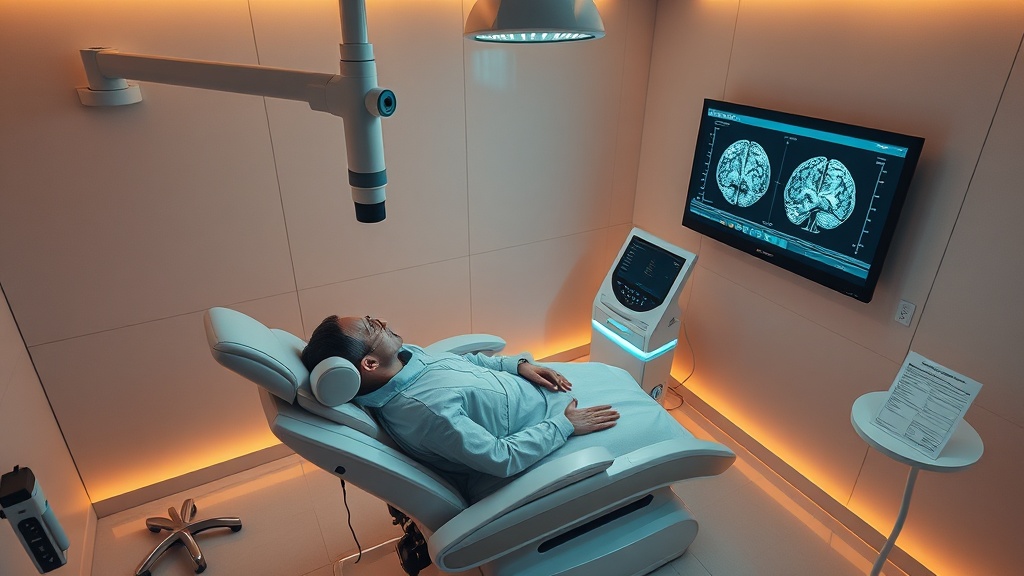
Step 5: Consider accelerated protocols if time is a constraint. Emerging data from the ACCELDER trial (Hui, Blumberger, and colleagues) suggests that accelerated bilateral TBS — eight sessions daily for five consecutive days — is feasible and well-tolerated in older adults, with remission rates of 18% and significant symptom improvement persisting at 4-week follow-up[6]. However, this is open-label data, not yet confirmed by randomized trials.
Step 6: Re-evaluate at the midpoint. After 10 sessions, reassess HAMD/MADRS scores and ERQ. If response is minimal, discuss switching protocols (e.g., from unilateral iTBS to bilateral rTMS, or vice versa). The Sun et al. case report demonstrates that patients who fail one TBS protocol may respond to another[5].
Step 7: Combine with psychotherapy for durable gains. Neuromodulation enhances prefrontal circuit function — but cognitive reappraisal is also a skill. Pairing iTBS with cognitive behavioral therapy (CBT) or other structured emotion regulation training may lock in the neuroplastic gains. Based on current evidence, this is a reasonable hypothesis rather than a proven protocol, but the mechanistic logic is sound.
Related Video
What is the main difference between iTBS and standard rTMS for depression?#
iTBS delivers patterned theta-burst pulses that mimic natural brain rhythms associated with synaptic plasticity, completing a session in roughly 3 minutes. Standard rTMS uses simpler 10 Hz stimulation over 37+ minutes. According to Deng et al. (2026), iTBS may additionally improve cognitive reappraisal — the ability to reframe emotional experiences — beyond what rTMS achieves[1].
How long does a course of iTBS treatment typically take?#
A standard iTBS course involves daily sessions (Monday through Friday) for 4–6 weeks, totaling 20–30 sessions. Each session lasts approximately 3 minutes. Accelerated protocols compress this into 5 consecutive days with multiple daily sessions, though these remain under investigation[6].
Who is a good candidate for iTBS over rTMS?#
Based on current data, patients whose depression features prominent emotion regulation deficits — difficulty reframing negative experiences, persistent rumination, blunted positive reappraisal — may benefit more from iTBS targeting the left DLPFC. However, for treatment-resistant depression, bilateral rTMS retains a stronger evidence base[4]. The honest answer is that individual response prediction remains imprecise.
Why did the BEAT-D trial fail to show non-inferiority for bilateral TBS?#
The Wada et al. trial found a −2.44 point difference favoring bilateral rTMS over bilateral TBS on the MADRS, which crossed the pre-specified non-inferiority margin[4]. This may reflect that combining iTBS and cTBS bilaterally doesn't summate cleanly — the inhibitory cTBS component targeting the right DLPFC might partially offset the excitatory iTBS effects. More research is needed to understand optimal bilateral TBS configurations.
How does accelerated TBS compare to standard daily protocols?#
Early evidence from the ACCELDER trial suggests accelerated bilateral TBS (8 sessions/day for 5 days) produces comparable improvements to once-daily protocols, with significant symptom reductions persisting at 4-week follow-up[6]. The advantage is speed — a full course in one week rather than six. The limitation is that this data comes from an open-label study in older adults, so efficacy could differ across populations.
VERDICT#
7.5/10. The Deng et al. 2026 trial adds a genuinely useful piece to the puzzle: iTBS doesn't just match rTMS for depression — it appears to engage emotion regulation circuits more effectively, and that association between cognitive reappraisal and symptom reduction was specific and statistically convincing. That's a meaningful finding. But the sample was 106 patients over two weeks. The BEAT-D trial complicates the narrative by showing bilateral TBS can't automatically be assumed non-inferior. And the iTBS-vs-cTBS literature is still embarrassingly thin. I'd adjust my personal protocol toward unilateral left DLPFC iTBS based on this data, but I wouldn't declare the debate settled. What I find most valuable here isn't the horse-race question of which protocol wins — it's the shift toward measuring how people regulate emotion, not just whether they score lower on a depression scale. That's a better question, and iTBS seems to be giving a better answer to it.
References
- 1.Deng Z, Deng C, Hu A, Wu J, Yan G, Yan H, Yao D, Chen Z, Li Y, Pu L. Comparative effects of intermittent theta-burst stimulation and sequential bilateral rTMS on depression and emotion regulation in major depressive disorder: a randomized controlled trial. Frontiers in Neuroscience (2026). ↩
- 2.Li Z, Shi Z, Yang X, Su Z, Wei W, Qin Z, Lan X, Wei X, Zheng W. Efficacy and safety of intermittent theta-burst stimulation versus continuous theta-burst stimulation for major depressive disorder and bipolar depression: a systematic review. Frontiers in Psychiatry (2026). ↩
- 3.Tao X, Zheng W, Wang K, Guo H, Xie J, Liao M. A meta-analysis comparing the effectiveness and safety of repetitive transcranial magnetic stimulation versus theta burst stimulation for treatment-resistant depression. Frontiers in Psychiatry (2025). ↩
- 4.Wada M, Nakajima S, Taniguchi K, Honda S, Mimura Y, Takemura R, Thorpe KE, Tsugawa S, Tarumi R, Moriyama S, Arai N, Kitahata R, Uchida H, Koike S, Daskalakis ZJ, Mimura M, Blumberger DM, Noda Y. Effectiveness of sequential bilateral repetitive transcranial stimulation versus bilateral theta burst stimulation for patients with treatment-resistant depression (BEAT-D): A randomized non-inferiority clinical trial. Brain Stimulation (2025). ↩
- 5.Sun G, Zhang X, Wang M, Shen Z. Case Report: Application of accelerated continuous theta burst stimulation in treatment-resistant depression. Frontiers in Psychiatry (2025). ↩
- 6.Hui J, Trevizol AP, Espinola CW, Kelkar RS, Lee H, Mulsant BH, Prillo J, Zomorrodi R, Zrenner C, Blumberger DM. Feasibility and clinical effects of accelerated sequential bilateral theta burst stimulation in late-life depression (ACCELDER Trial). Transcranial Magnetic Stimulation (2025). ↩
Fen Adler
Fen writes with psychological nuance and a slightly meandering quality that feels human. He'll start pursuing one idea, realize it connects to something else, and follow it briefly before returning: 'This reminds me of something from the attentional blink literature — different context, but the pattern holds.' He's interested in the experience, not just the mechanism, which means he'll occasionally ask: 'What does this actually feel like?' when discussing neurological effects.
View all articles →