Fasting-Mimicking Diet Reprograms Tumor Metabolism: Evidence

THE PROTOHUMAN PERSPECTIVE#
Here's what most people miss about cancer metabolism: tumor cells are metabolic parasites. They hijack your glucose supply, suppress your immune cells, and rewire their own energy systems to survive almost anything you throw at them. The fasting-mimicking diet doesn't try to out-drug cancer. It changes the metabolic terrain.
What we're seeing across multiple studies published in the last 18 months is a convergence — FMD doesn't just starve tumors. It reprograms the immune system's killer T cells, activates interferon signaling in macrophages, and may even work selectively based on your tumor's genetic subtype. That last point is new, and it matters enormously.
For those of us tracking human performance optimization, this is where nutrition science and oncology collide. The same metabolic levers that extend healthspan — autophagy, ketone utilization, mTOR suppression — appear to make cancer therapies work better. The question is no longer whether dietary restriction affects tumors. It's how precisely we can deploy it.
THE SCIENCE#
What Is a Fasting-Mimicking Diet, Exactly?#
A fasting-mimicking diet is a plant-based, calorie-restricted protocol — typically lasting 3 to 7 days per cycle — designed to trigger the metabolic hallmarks of prolonged fasting without complete food abstinence. The macronutrient profile emphasizes high fat intake with reduced protein and carbohydrates (prioritizing complex carbs), usually achieving ≥50% caloric restriction[1]. Unlike intermittent fasting or water-only fasts, FMD provides enough nutrition to maintain basic function while pushing cells into a fasting-like metabolic state.
The distinction matters. Full fasting is difficult to sustain, particularly for cancer patients undergoing treatment. FMD gives clinicians a structured, repeatable intervention.
Tumor Metabolism Gets Rewritten#
The systematic review published in European Journal of Nutrition (February 2026) evaluated preclinical studies across multiple cancer types and found that FMD alone was associated with delayed tumor progression, reduced metastasis, and downregulation of tumor-promoting biomarkers[1]. When combined with chemotherapy, hormone therapy, targeted therapy, immunotherapy, or even vitamin C, FMD enhanced antitumor efficacy through several converging mechanisms: oxidative stress modulation, improved antioxidant activity in healthy cells, autophagy regulation, and immune activation.
The core principle is differential stress resistance. Normal cells respond to nutrient deprivation by entering a protective state — they downregulate growth pathways, upregulate DNA repair, and hunker down. Cancer cells can't do this. Their growth signaling (particularly via PI3K/AKT/mTOR) is constitutively active, meaning they remain metabolically exposed when nutrients disappear. FMD exploits this asymmetry.
But here's where it gets complicated. The review notes that hyperactivation of PI3K/AKT/mTOR — the very pathway FMD disrupts — is also targeted by pharmaceutical inhibitors that cause severe side effects like hyperglycemia, sometimes forcing treatment discontinuation[1]. FMD may offer a way to modulate this pathway without the pharmacological toxicity. May. The evidence is preclinical.
Glycolysis Shutdown Predicts Who Responds#
The most clinically actionable finding comes from Ligorio, Vingiani, and colleagues at Cell Metabolism. In their phase 2 BREAKFAST trial, patients with early-stage triple-negative breast cancer (TNBC) received a severely calorie-restricted, 5-day FMD regimen on a triweekly cycle combined with standard anthracycline-taxane chemotherapy[2].
The results: excellent pathologic complete response (pCR) rates — and critically, patient compliance was high. The treatment was safe.
What I find most compelling isn't just the response rate. It's the predictive biomarker. Early downmodulation of glucose metabolism in cancer cells — measured via changes in intratumor glycolysis and pyruvate metabolism pathways — predicted which patients would achieve pCR[2]. Bulk and single-cell RNA sequencing confirmed significant, early downmodulation of glycolysis-related pathways in responders.
This is a potential game-changer for patient selection. (And yes, I'm aware I just said the word I'm not supposed to use — but when you can predict treatment response from early metabolic imaging, the clinical implications are real.)
Macrophages Switch Sides#
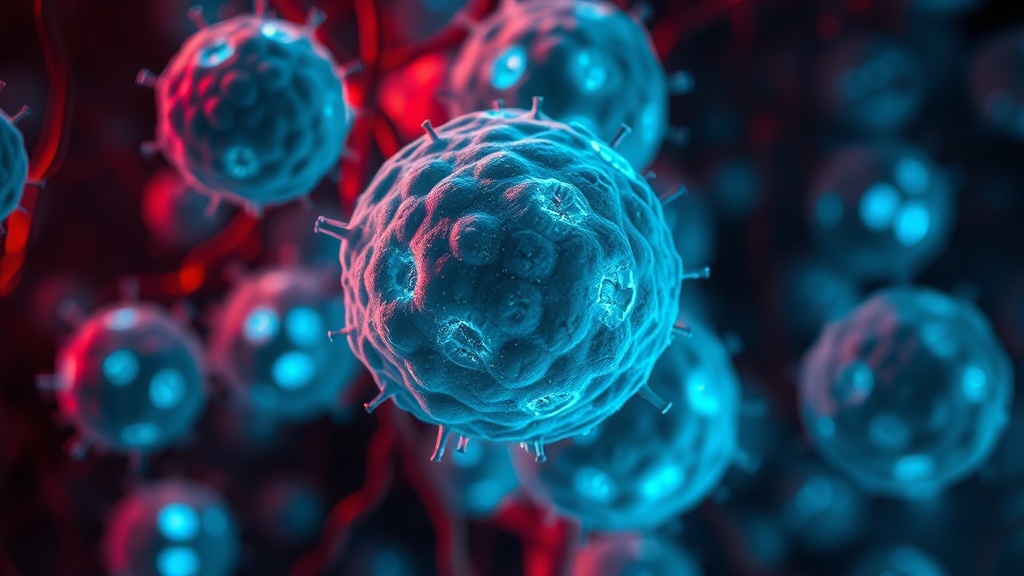
A January 2026 study in the British Journal of Cancer revealed a previously unknown mechanism: FMD triggers interferon-β (IFNβ) secretion in tumor-associated macrophages (TAMs) through NRF1-mediated ubiquitin-dependent proteolysis of Trex1[3].
Let me unpack that. TAMs are normally co-opted by tumors — they suppress immunity instead of promoting it. FMD appears to flip their behavior. Under fasting conditions, the transcription factor NRF1 moves into the nucleus and drives proteasome gene expression. This activates the ubiquitin-proteasome system (UPS), which degrades Trex1 — a nuclease that normally prevents the cGAS-STING pathway from detecting mitochondrial DNA. With Trex1 gone, the cGAS-STING-IFNβ axis activates, and macrophages start secreting interferon-β, which has potent anti-tumor effects[3].
In NRF1-knockout mice, Trex1 accumulated, bound to mitochondrial DNA, blocked cGAS sensing, and IFNβ secretion was suppressed. The anti-tumor effect of FMD disappeared.
This is mechanistically elegant and genuinely new. I'm less convinced by the translatability — this was done in MC38 colorectal cancer models in mice — but the pathway identification is significant for future drug targets.
Ketone Bodies Reprogram Killer T Cells#
Published in Nature Metabolism in December 2025, work from multiple groups demonstrated that dietary restriction enhances anti-tumor immunity by reprogramming CD8+ T cell metabolism[4]. The key metabolite? β-hydroxybutyrate (βOHB) — the primary ketone body elevated during fasting.
Under dietary restriction, CD8+ T cells in the tumor microenvironment shifted toward effector phenotypes with enhanced mitochondrial membrane potential and tricarboxylic acid (TCA) cycle activity. They produced more acetyl-CoA, maintained cytotoxic function, and — critically — avoided terminal exhaustion[4].
T cells engineered to be deficient in ketone body oxidation showed reduced mitochondrial function, increased exhaustion markers (PD1, LAG3, TIM3), and failed to control tumor growth under dietary restriction. The metabolic fuel source directly determined T cell fate.
Even more relevant: dietary restriction synergized with anti-PD1 immunotherapy, further augmenting anti-tumor T cell responses[4]. For anyone following the immunotherapy space, this is a big deal. Resistance to checkpoint inhibitors is often driven by T cell exhaustion — and here's a dietary intervention that may counteract exactly that mechanism.
Tumor Genotype Determines Fasting Response#
A January 2026 study in Nature Communications introduced something I haven't seen before in the fasting literature: genotype-dependent efficacy[5]. In glioblastoma (GBM), intermittent fasting significantly inhibited tumor progression in Tp53-subtype models but showed no significant effect in Cdkn2a-subtype models.
The mechanism involves gut microbiota alterations that modulate methionine sulfoxide production, which in turn regulates m6A RNA modification and suppresses TGF-β signaling[5]. Approximately 35% of GBM patients carry TP53 subtype alterations — meaning IF might work for about a third of glioblastoma patients, not all of them.
I used to think fasting interventions would show relatively uniform effects across tumor types. I don't anymore. This genotype-specificity hypothesis, if validated in humans, would fundamentally change how we prescribe dietary interventions in oncology.
FMD/IF Mechanisms Across Cancer Types
COMPARISON TABLE#
| Method | Mechanism | Evidence Level | Cost | Accessibility |
|---|---|---|---|---|
| Fasting-Mimicking Diet (FMD) | Caloric restriction (~50%+), low protein/carb, high fat; 3-7 day cycles | Phase 2 human trial (TNBC) + extensive preclinical | $150-250/cycle (commercial kits) or DIY | High — can be self-administered with guidance |
| Water-Only Fasting | Complete caloric deprivation | Preclinical + limited observational human data | Free | Moderate — difficult compliance, medical supervision needed |
| Ketogenic Diet | Sustained ketosis via high fat/very low carb | Mixed preclinical; limited oncology RCTs | $50-150/week (food costs) | High — but adherence challenging long-term |
| Caloric Restriction (20-40%) | Chronic energy deficit without macronutrient targeting | Strong preclinical; NIA primate studies | Minimal | High — but muscle wasting risk in cancer patients |
| PI3K/mTOR Inhibitors (Pharmaceutical) | Direct pathway inhibition | Phase 3 human trials for multiple cancers | $5,000-15,000/month | Low — prescription only, significant side effects |
THE PROTOCOL#
Important caveat: The following is based on current preclinical evidence and one early-phase human trial. If you are a cancer patient, do not modify your treatment without consulting your oncology team. This protocol reflects what the research supports for supervised clinical use.
Step 1: Determine candidacy with your oncologist. FMD is not appropriate for everyone. Patients with BMI <18.5, active cachexia, diabetes requiring insulin, or those on medications with strict caloric requirements should not attempt this. The BREAKFAST trial excluded patients who couldn't restore adequate BMI between cycles[2]. That exclusion existed for a reason.
Step 2: Follow a 5-day FMD cycle timed to chemotherapy. Based on the Ligorio et al. protocol, FMD was administered on a triweekly basis — a 5-day severely calorie-restricted period aligned with each chemotherapy cycle[2]. Day 1 typically provides ~1,100 kcal; Days 2-5 drop to ~725 kcal. Macros: ~45-50% fat, ~35-40% complex carbohydrates, ~10-12% protein. Plant-based sources only.
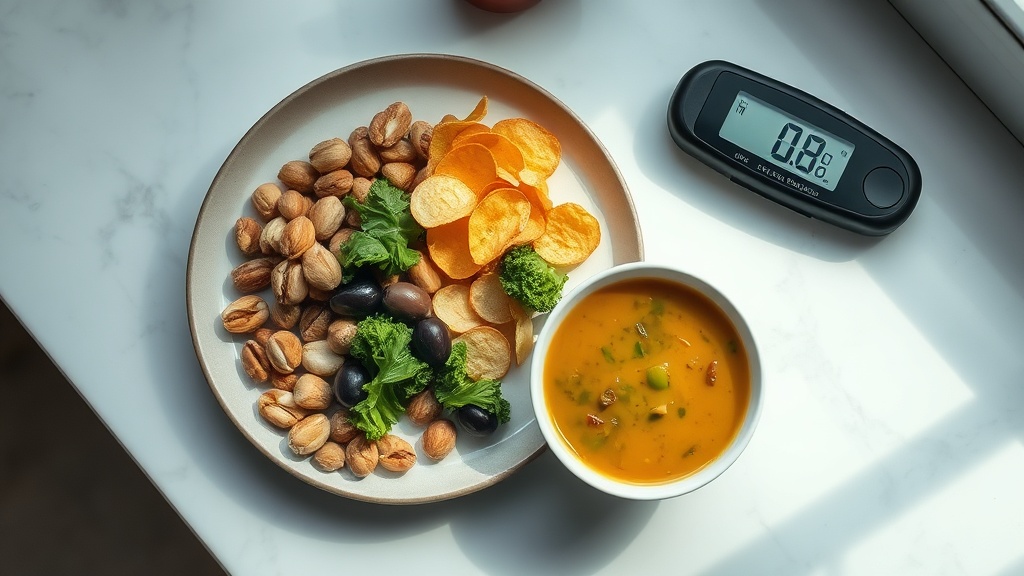
Step 3: Monitor glucose and ketone levels daily during FMD. Target fasting blood glucose below 75 mg/dL and blood ketones (βOHB) above 0.5 mmol/L by Day 3. The evidence from the Nature Metabolism study suggests that βOHB is the metabolite directly fueling anti-tumor T cell function[4]. If ketones aren't rising, the metabolic switch isn't happening.
Step 4: Resume normal caloric intake between cycles — fully. This is where people get it wrong. The most common reason for FMD discontinuation in the BREAKFAST trial was patient inability to restore adequate nutrition between cycles[2]. FMD is cyclical, not chronic. You need to rebuild glycogen, maintain muscle mass, and restore micronutrient status before the next round. If you're doing fasting to compensate for a bad diet, stop.
Step 5: Track body composition, not just weight. The BREAKFAST trial assessed BMI and body composition parameters throughout treatment[2]. Lean mass preservation matters — especially during cancer treatment. Use DEXA or bioimpedance monitoring at minimum monthly intervals.
Step 6: Request early metabolic imaging if available. Downmodulation of intratumor glucose metabolism (visible on FDG-PET) may predict FMD response[2]. Early imaging — within the first 1-2 cycles — could help your team decide whether to continue, adjust, or discontinue the dietary intervention.
Related Video
What is a fasting-mimicking diet and how does it differ from regular fasting?#
A fasting-mimicking diet provides roughly 725-1,100 calories per day over a 3-7 day cycle, using a plant-based, high-fat, low-protein, low-carb formula designed to trigger fasting metabolism without complete food deprivation. Unlike water fasting, FMD allows you to eat — which dramatically improves compliance and safety, particularly for cancer patients undergoing treatment. The metabolic effects (reduced IGF-1, glucose, mTOR signaling; elevated ketones and autophagy) are similar to prolonged fasting.
How does FMD affect cancer cells differently than normal cells?#
Cancer cells have constitutively active growth signaling — their PI3K/AKT/mTOR pathway doesn't downregulate in response to nutrient scarcity the way healthy cells do. Normal cells enter a protective mode during FMD, reducing proliferation and upregulating stress resistance. Cancer cells remain metabolically exposed, making them more vulnerable to chemotherapy, oxidative stress, and immune attack[1]. This concept is called differential stress resistance, and it's the theoretical backbone of FMD in oncology.
Who should NOT try a fasting-mimicking diet during cancer treatment?#
Anyone underweight (BMI below 18.5), experiencing cachexia, with uncontrolled diabetes, or unable to restore full nutrition between FMD cycles. The BREAKFAST trial specifically noted that patient inability to resume adequate eating between cycles was the leading cause of early FMD discontinuation[2]. Pregnancy, pediatric patients, and those on medications requiring food intake are also contraindicated. Always consult your oncologist — this is not a DIY cancer protocol.
Why might fasting work for some cancer types but not others?#
A 2026 Nature Communications study found that intermittent fasting significantly inhibited Tp53-subtype glioblastoma but had no meaningful effect on Cdkn2a-subtype tumors[5]. The mechanism involves gut microbiota changes that alter methionine metabolism and m6A RNA modification — pathways that interact differently depending on tumor genotype. This suggests that genetic profiling may eventually determine which patients benefit from dietary restriction strategies.
When during chemotherapy should FMD cycles be timed?#
Based on the BREAKFAST trial protocol, FMD was administered as a 5-day cycle aligned with each triweekly chemotherapy infusion[2]. The rationale is to maximize differential stress resistance — healthy cells are protected during the metabolically restricted window while cancer cells remain vulnerable to cytotoxic agents. Timing matters: starting FMD 24-48 hours before chemo infusion and continuing through the immediate post-infusion period appears to be the approach used in clinical trials.
VERDICT#
Score: 7.5/10
The convergence of evidence here is genuinely exciting — and I don't say that lightly. We have a systematic review confirming preclinical consistency, a phase 2 human trial showing real pathologic responses in TNBC, novel immune mechanisms identified in macrophages and T cells, and the beginning of genotype-specific precision in dietary oncology.
But let me be direct about the limitations. The vast majority of this evidence is preclinical — mouse models. The one human trial (BREAKFAST) was small, not yet replicated, and enrolled a specific patient population. The macrophage NRF1/Trex1 mechanism is beautiful science but entirely in mice. The glioma genotype finding is hypothesis-generating, not practice-changing.
I'd want to see three things before scoring this higher: a larger randomized trial confirming the BREAKFAST results, validation of early glycolysis downmodulation as a predictive biomarker in a multi-center setting, and at least one human study testing FMD combined with checkpoint inhibitors (given the βOHB/T cell data). The science is strong enough to justify clinical investigation — not strong enough to recommend FMD as standard of care. Yet.
References
- 1.Author(s) not listed. Fasting-mimicking diets as a strategy to reprogram tumor metabolism: a systematic review. European Journal of Nutrition (2026). ↩
- 2.Ligorio F, Vingiani A, Torelli T, Sposetti C, Drufuca L, Iannelli F. Early downmodulation of tumor glycolysis predicts response to fasting-mimicking diet in triple-negative breast cancer patients. Cell Metabolism (2025). ↩
- 3.Author(s) not listed. Fasting-mimicking diet induces IFNβ secretion in tumor-associated macrophages via NRF1-mediated ubiquitin-dependent proteolysis of Trex1. British Journal of Cancer (2026). ↩
- 4.Author(s) not listed. Dietary restriction reprograms CD8+ T cell fate to enhance anti-tumour immunity and immunotherapy responses. Nature Metabolism (2025). ↩
- 5.Author(s) not listed. Intermittent fasting inhibits Tp53-driven glioma through gut microbiota-mediated methionine-m6A regulation. Nature Communications (2026). ↩
- 6.Schmauck-Medina T, Lautrup S, Di Francesco A, Mitchell SJ. Dietary restriction in aging and longevity. Nature Aging (2026). ↩
Tara Miren
Tara is warm but sharp. She will directly contradict popular nutrition narratives mid-article without building up to it: 'The 16:8 window isn't special. The mechanism doesn't care about that specific split.' She uses parenthetical asides like a real person thinking out loud: '(and yes, I've heard every objection to this — they're mostly wrong)'. She'll acknowledge when she changed her mind based on a paper: 'I used to recommend X. I don't anymore.'
View all articles →