Epigenetic Skin Reprogramming: PRC2 Targets and Rejuvenation

SNIPPET: Partial epigenetic reprogramming using Yamanaka factors (OSKM) reverses age-related DNA methylation changes in skin by restoring Polycomb repressive complex 2 (PRC2) targets, reducing epigenetic entropy, and remodeling the cellular microenvironment. New non-invasive epigenetic clocks can now measure these rejuvenation effects directly from facial skin with ~4-year accuracy.
Reprogramming Skin Aging: Epigenetic Rejuvenation Moves From Mouse Models to Measurable Human Outcomes
THE PROTOHUMAN PERSPECTIVE#
Skin is the organ we watch age in real time. Every line, every shift in texture — it's a visible readout of epigenetic decay. What makes the latest research genuinely significant is that we're no longer just describing that decay. We're learning how to reverse specific molecular signatures of it, and — critically — how to measure that reversal with precision.
The convergence happening here matters on a decade-level timescale. Partial cellular reprogramming, once confined to embryology labs, is being mapped onto the epigenetic architecture of aging tissue. Simultaneously, new skin-specific biological clocks trained on hundreds of human epidermal samples allow us to track interventions non-invasively. For those of us tracking the longevity field, this is where the abstract becomes actionable. The skin isn't just a cosmetic target — it's becoming a real-time biomarker for systemic biological age. The data tells me we're closer to closed-loop rejuvenation monitoring than most people realize. That matters.
THE SCIENCE#
What Is Epigenetic Skin Reprogramming?#
Epigenetic reprogramming of skin aging refers to the targeted reversal of age-associated changes in DNA methylation, histone modifications, and chromatin architecture — without altering the underlying DNA sequence. The most studied approach uses cyclic expression of four transcription factors — OCT4, SOX2, KLF4, and c-MYC (collectively called OSKM or Yamanaka factors) — to partially dedifferentiate aged cells back toward a younger epigenetic state[1][2]. This is distinct from full reprogramming to pluripotency, which would erase cellular identity entirely.
Why does this matter for performance and longevity? Because the epigenetic landscape of skin governs everything from stem cell renewal and wound healing to collagen synthesis and immune signaling. When that landscape drifts with age — gaining methylation entropy, losing precise histone marks — the tissue degrades. The question driving this field: can you push the clock backward without losing the tissue's functional identity?
The data says yes. At least in mice.
PRC2: The Central Node of Skin Aging and Rejuvenation#
The most striking finding from the February 2026 study published in Molecular Systems Biology is the convergence of both aging-related and rejuvenation-related epigenetic changes on targets of the Polycomb repressive complex 2 (PRC2)[1].
Using whole-genome bisulfite sequencing — the gold standard for comprehensive DNA methylation profiling — the researchers compared skin from young mice, old mice, and old mice subjected to long-term partial OSKM reprogramming. What emerged was unmistakable: PRC2 target regions accumulated increased DNA methylation and elevated epigenetic entropy during aging, and partial reprogramming restored these regions toward youthful patterns.
Let me unpack that. PRC2 normally deposits the histone mark H3K27me3, which silences genes involved in differentiation and development. In aged mouse epidermis, native ChIP-seq revealed extensive loss of H3K27me3 — meaning the genes PRC2 was supposed to keep quiet were becoming deregulated. This partially overlapped with the regions showing aberrant DNA methylation changes during aging.
The boundaries of these chaotic, hypomethylated regions weren't random, either. Large H3K9me2-marked heterochromatin domains — called LOCKs (Large Organized Chromatin K9-modifications) — defined the edges of the most entropic methylation blocks. When LOCKs erode, the epigenetic noise spreads.
This one actually moved me. It's the first time I've seen such a clean demonstration that aging and rejuvenation are essentially mirror images operating through the same chromatin regulatory machinery — PRC2. The implication is that you don't need to reprogram the entire epigenome. You need to restore PRC2 function at specific loci.
Mosaic Reprogramming: You Don't Need to Reprogram Every Cell#
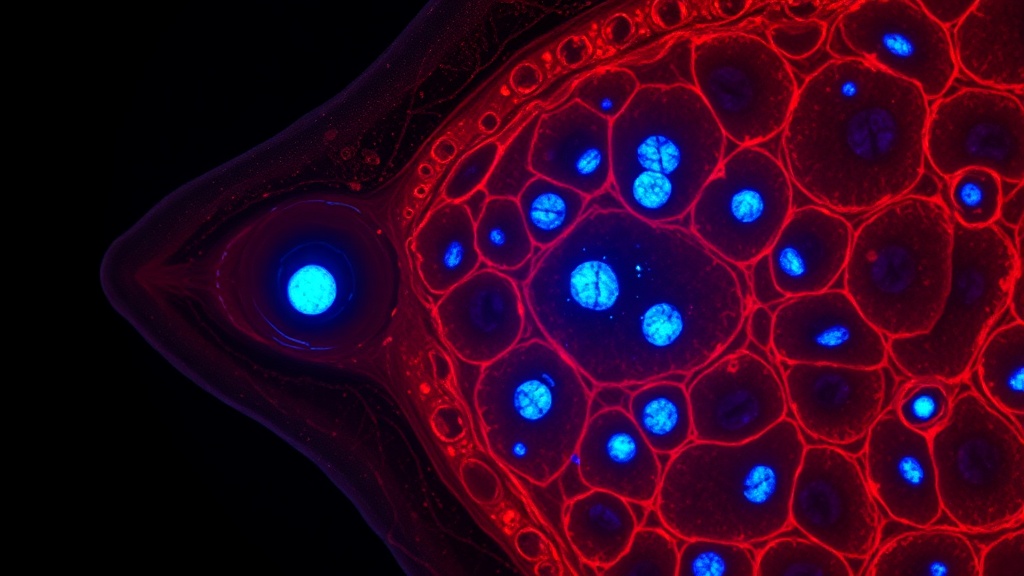
Here's where it gets complicated — and more interesting. The January 2026 study in Nature Communications demonstrated that you don't even need to reprogram all epidermal cells to get tissue-wide benefits[2].
By inducing OSKM expression in only a fraction of epithelial stem cell progeny (mosaic expression), the researchers triggered beneficial changes across the entire skin's cellular network. The partially reprogrammed cells influenced their neighbors — including non-reprogrammed epithelial cells and T cells — conferring "widespread healing characteristics even in the absence of injury."
When wounds were introduced, re-epithelialization accelerated in both wild-type and hyperglycemic (diabetic model) mice. The effects extended to dermal healing: reduced scarring and altered angiogenesis.
This is a non-trivial finding. It suggests that partial reprogramming operates through paracrine signaling and niche remodeling, not just cell-autonomous rejuvenation. The microenvironment itself gets younger. For translational purposes, this dramatically lowers the bar — you wouldn't need systemic reprogramming factor delivery. Targeted, mosaic application might suffice.
I'm less convinced by one aspect, though. The study doesn't fully resolve whether the paracrine effects are durable or require sustained reprogramming factor expression. That's a gap worth watching.
Measuring It: Non-Invasive Epigenetic Clocks for Skin#
None of this matters clinically unless you can measure it in humans. That's the contribution of the MitraSolo and MitraCluster epigenetic clocks, published in npj Aging in late 2025[4].
Trained on the largest enzymatic methyl-sequencing dataset of human epidermis to date (n = 462), these clocks predict biological skin age with an error of approximately 4 years — directly from non-invasive tape-stripping of facial skin. No biopsy required. Intra-individual variation was less than 2 years, and the clocks maintained accuracy at low sequencing depths.
Critically, MitraSolo and MitraCluster successfully captured the rejuvenating effects of Yamanaka factor treatment. This means we now have a validated, non-invasive tool to quantify epigenetic rejuvenation interventions in human skin.
The honest answer is that 4-year median error is still coarse for detecting subtle interventions — a topical peptide that shifts biological age by 6 months won't register clearly. But for assessing partial reprogramming, laser-based interventions, or senolytic protocols, the resolution is adequate.
Lasers as Epigenetic Modulators#
Energy-based devices are entering this story from an unexpected angle. A 2025 EADV Congress feature highlighted emerging evidence that fractional lasers and radiofrequency devices don't just remodel collagen through thermal injury — they may directly reprogram the epigenetic architecture of skin cells[3][6].
The proposed mechanism: controlled thermal stress triggers DNA methylation changes, reduces cellular senescence markers, and normalizes aberrant signaling in aged fibroblasts. Haykal et al. frame lasers as "molecular reprogramming tools" rather than purely ablative devices[6].
The design here was weak, and the conclusion oversells what they actually found. Most of the laser-epigenetic evidence remains correlational, drawn from before-after methylation snapshots without controlled mechanistic dissection. I'd want to see this replicated with proper time-course ChIP-seq before calling lasers "epigenetic modulators" with any confidence. Still, the direction is plausible.
Epigenetic Clock Accuracy: MitraSolo vs. Established Clocks on Epidermal Samples
COMPARISON TABLE#
| Method | Mechanism | Evidence Level | Cost | Accessibility |
|---|---|---|---|---|
| OSKM Partial Reprogramming | Restores PRC2 targets, reverses DNA methylation entropy | Preclinical (mouse in vivo) | Research-only | Lab only — no human protocols |
| Mosaic Epidermal OSKM | Paracrine niche remodeling via fractional cell reprogramming | Preclinical (mouse in vivo) | Research-only | Lab only |
| Fractional Lasers (epigenetic framing) | Thermal stress → methylation changes, senescence reduction | Low (observational/correlational) | $500–$2,000/session | Dermatology clinics |
| Epigenetic Clocks (MitraSolo/Cluster) | DNA methylation-based biological age measurement | Validated (n=462 human dataset) | ~$200–$500/test (est.) | Emerging commercial availability |
| Senolytic Topicals (e.g., fisetin, quercetin) | Clear senescent cells, reduce SASP | Mixed (preclinical + small human trials) | $20–$80/month | OTC supplements and topicals |
| Retinoids / Tretinoin | Gene expression modulation, collagen stimulation | Strong (decades of RCT data) | $10–$50/month | Prescription / OTC |
THE PROTOCOL#
A practical framework for those tracking skin epigenetic aging and wanting to act on the current evidence. Frame this as informed self-experimentation, not clinical prescription — optimal dosing in humans for most of these strategies is not yet established.
Step 1: Establish Your Baseline Biological Skin Age Obtain a non-invasive epigenetic skin age measurement using a methylation-based clock (MitraSolo or equivalent commercial service when available). Tape-strip collection from facial skin is sufficient. Record your biological age offset from chronological age. Retest every 6–12 months to track trajectory.
Step 2: Optimize Foundational Epigenetic Inputs Before chasing novel interventions, address the inputs that directly modulate DNA methylation: sleep quality and circadian alignment (7–9 hours, consistent timing), UV protection (daily SPF 30+ with UVA coverage), dietary methyl donors (folate, B12, choline from whole foods), and chronic inflammation reduction. These aren't exciting. They're the substrate on which everything else operates.
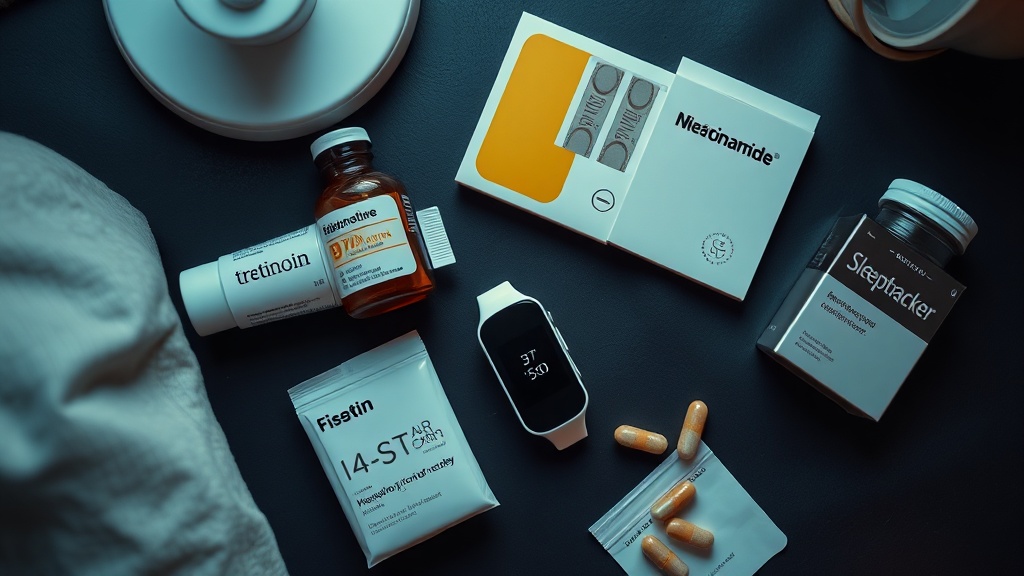
Step 3: Implement Evidence-Based Topicals Tretinoin (0.025–0.05% nightly, titrated) remains the most evidence-backed topical for skin gene expression modulation and collagen stimulation. Layer with niacinamide (NAD+ precursor, 4–5% serum) to support sirtuin activity and NAD+ synthesis in skin cells. Consider topical vitamin C (15–20% L-ascorbic acid) for antioxidant defense against mitochondrial dysfunction and oxidative methylation damage.
Step 4: Explore Senolytic Cycling (Cautiously) Based on preclinical evidence, intermittent senolytic exposure may clear senescent cells contributing to skin inflammaging. Oral fisetin (100–500 mg, 2 consecutive days per month) or quercetin (500–1,000 mg with dasatinib in research contexts) are the most studied candidates[5]. This remains experimental — the honest position is that optimal human skin senolytic dosing is not established.
Step 5: Consider Energy-Based Devices as Adjuncts If accessible, fractional non-ablative laser treatments (1–2 sessions per year) may provide epigenetic modulation benefits beyond collagen remodeling, though this evidence is still preliminary[3]. Discuss with a dermatologist who understands the biological — not just cosmetic — rationale.
Step 6: Monitor and Adjust Use your epigenetic skin age measurements as a feedback loop. If biological age is accelerating despite interventions, investigate inflammatory drivers, sleep disruption, or UV damage accumulation. The goal is a closed-loop system: intervene, measure, adjust.
Related Video
What is epigenetic reprogramming of skin aging?#
Epigenetic reprogramming refers to reversing age-related changes in DNA methylation and histone modifications in skin cells using transcription factors (OSKM/Yamanaka factors) or other interventions. It restores younger gene expression patterns without altering DNA sequence. Current evidence is primarily from mouse models, with human measurement tools now emerging[1][4].
How does PRC2 relate to skin aging?#
Polycomb repressive complex 2 (PRC2) deposits H3K27me3 marks that silence developmental genes. During aging, these marks are lost in the epidermis, leading to gene deregulation and increased epigenetic entropy. Partial reprogramming appears to restore PRC2 target regions to youthful methylation states, suggesting PRC2 is a central mediator of both skin aging and rejuvenation[1].
Who can benefit from non-invasive epigenetic skin clocks?#
Anyone interested in tracking biological skin age — from longevity-focused biohackers to clinical researchers evaluating anti-aging interventions. The MitraSolo and MitraCluster clocks require only tape-stripping from facial skin, predicting age within ~4 years of accuracy. They're particularly useful for monitoring the effects of rejuvenation protocols over time[4].
When will epigenetic skin reprogramming be available for humans?#
Direct OSKM-based reprogramming remains preclinical. No human skin reprogramming trials using Yamanaka factors have been completed as of early 2026. However, indirect epigenetic modulation through lasers, senolytics, and topicals is already accessible, though the evidence base varies significantly by intervention[2][5].
Why is mosaic reprogramming considered safer than whole-tissue reprogramming?#
Mosaic reprogramming targets only a fraction of cells, reducing the risk of uncontrolled dedifferentiation or tumor formation. The Nature Communications study showed that even partial reprogramming of some epidermal cells triggers beneficial paracrine effects across the entire tissue — meaning full coverage isn't necessary for therapeutic impact[2].
VERDICT#
7.5 / 10
The convergence of PRC2 as a central node in both aging and rejuvenation is the most intellectually satisfying finding I've seen in skin longevity research this year. The mosaic reprogramming data is elegant and has real translational implications. And the new epigenetic clocks finally give us a measurement tool that doesn't require cutting someone open.
But here's what keeps the score from climbing higher: this is still almost entirely preclinical. The mouse data is strong. The human measurement infrastructure is arriving. But no one has reprogrammed human skin epigenetically in a controlled trial. The laser-epigenetics story is premature. And the gap between "PRC2 targets are restored in mouse skin" and "here's your clinical protocol" remains wide.
What I find most promising isn't any single study — it's the convergence of the reprogramming biology, the measurement tools, and the delivery strategies all maturing simultaneously. That's what moves the needle on a decade-level timescale.
References
- 1.Author(s) not listed. Convergence of aging- and rejuvenation-related epigenetic alterations on PRC2 targets. Molecular Systems Biology (2026). ↩
- 2.Author(s) not listed. Mosaic partial epidermal reprogramming remodels neighbors and niches to refine skin homeostasis and repair. Nature Communications (2026). ↩
- 3.Haykal D. Lasers as Epigenetic Modulators: Reprogramming Skin Biology Toward Regeneration and Longevity. EMJ Dermatology (2025). ↩
- 4.Author(s) not listed. Epigenetic age predictors for non-invasive assessment of human skin. npj Aging (2025). ↩
- 5.Tauser RG. A State-of-the-Art Overview on (Epi)Genomics and Personalized Skin Rejuvenating Strategies. Pharmaceutics (2025). ↩
- 6.Haykal D, Flament F, Mora P, Balooch G, Cartier H. Unlocking Longevity in Aesthetic Dermatology: Epigenetics, Aging, and Personalized Care. International Journal of Dermatology (2025). ↩
Orren Falk
Orren writes with the seriousness of someone who thinks about their own mortality every day and has made peace with it. He takes the long view, which means he's less excited than others about marginal gains and more focused on whether something moves the needle on a decade-level timescale. He'll admit when a study impresses him: 'This one actually moved me.' He uses 'the data' as a character in his writing — it speaks, it tells him things, it sometimes disappoints him.
View all articles →