
Electroacupuncture for Obesity and Depression: Gut-Brain Axis

SNIPPET: Electroacupuncture (EA) may alleviate comorbid obesity and depression by restructuring gut microbiota to boost short-chain fatty acid (SCFA)-producing bacteria, which in turn restores hippocampal synaptic plasticity via a coordinated "Microbiota-Metabolism-Brain" axis, according to a March 2026 multi-omics rat study by Xian et al. in Frontiers in Microbiology.
THE PROTOHUMAN PERSPECTIVE#
The overlap between obesity and depression isn't a coincidence — it's a biological feedback loop, and anyone who's experienced both knows how one feeds the other in ways that feel inescapable. What makes this new research from Xian et al. worth paying attention to isn't electroacupuncture itself — it's the mechanistic map they've drawn. For the first time in a single preclinical study, a team has traced a continuous signal from gut bacteria through serum metabolites into hippocampal gene expression and synaptic architecture. That's not just "gut-brain axis" as a buzzword. That's a testable, multi-layered pathway.
For those of us interested in performance optimization, the implication is direct: interventions that reshape your microbial ecology might simultaneously address metabolic dysfunction and mood. Not sequentially. Simultaneously. The question, as always, is whether what works in stressed rats translates to humans who are also stressed — but in far messier, less controllable ways.
THE SCIENCE#
What Is Electroacupuncture and Why Pair It With Multi-Omics?#
Electroacupuncture is a modified form of traditional acupuncture in which small electrical currents are passed between pairs of needles inserted at specific acupoints. It matters for human performance and metabolic health because it represents a non-pharmacological intervention targeting both the nervous system and peripheral organ function. According to Xian et al., EA treatment significantly attenuated body weight gain and reversed depressive-like behaviors in a rat model of comorbid obesity and depression (COMBD) [1]. The technique has gained traction in integrative medicine circles, particularly across East Asian clinical settings, where it's increasingly paired with modern diagnostics.
The COMBD Model: Building a Broken System#
The research team at Guangzhou University of Chinese Medicine constructed their model using a combination of high-fat diet (HFD) and chronic unpredictable mild stress (CUMS) — a dual insult designed to mimic the metabolic and neuropsychiatric burden seen in humans who carry both conditions. This is worth noting because most animal models study obesity or depression in isolation. The real world doesn't work that way.
I think the word "comorbid" is doing too much work in most clinical literature — it implies two separate conditions that happen to coexist, when the biology here suggests something more entangled. The HFD disrupts gut microbial ecology; the CUMS disrupts HPA axis regulation and hippocampal function. But as this study shows, those aren't parallel tracks. They converge.
The Microbiota-Metabolism-Brain Axis#
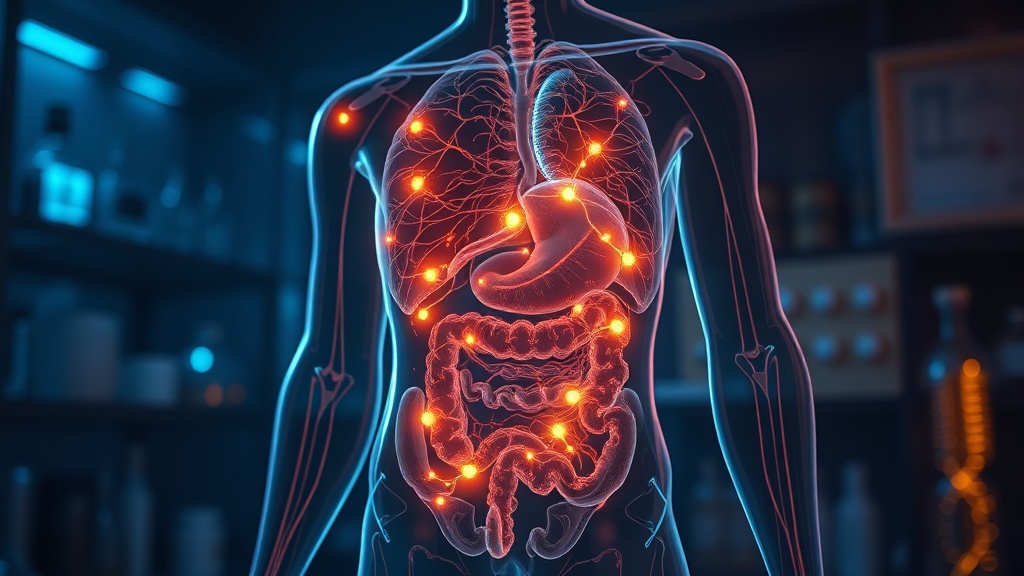
Here's where the data gets interesting. Using 16S rDNA sequencing, Xian et al. found that EA restructured the dysbiotic gut microbiota in COMBD rats, specifically increasing the abundance of SCFA-producing bacteria [1]. SCFAs — primarily acetate, propionate, and butyrate — are metabolic signaling molecules produced by bacterial fermentation of dietary fiber. They cross the gut barrier, enter systemic circulation, and influence everything from mitochondrial efficiency to neuroinflammation.
The critical finding: this microbial restoration was strongly correlated with a reprogrammed serum metabolic profile, as confirmed by LC-MS/MS metabolomics. In other words, fixing the gut bacteria didn't just change what was happening in the colon — it changed the chemical landscape of the blood.
This aligns with separate work by Zhang et al., who demonstrated that EA upregulated acetic acid and serotonin (5-HT) levels in obese rats, with effects dependent on intact gut microbiota — when antibiotics wiped out the microbiome, EA's anti-obesity effects were significantly blunted [3]. That's a strong signal that the microbiome isn't a bystander here. It's the mediator.
Hippocampal Synaptic Plasticity and Cd74#
In the hippocampus, transcriptomic analysis identified Cd74 as a pivotal upstream regulator modulated by EA [1]. Cd74 is traditionally associated with immune antigen presentation, but its role in neuroinflammation and synaptic remodeling is increasingly recognized. EA mitigated hippocampal oxidative stress and restored synaptic plasticity — evidenced by increased dendritic spine density and upregulated synaptic protein expression.
What does this actually feel like? This reminds me of something from the attentional blink literature — different context, but the pattern holds. When dendritic spine density drops, the subjective experience isn't just "sadness." It's cognitive fog, reduced working memory, and a sense that your thoughts can't gain traction. The restoration of synaptic architecture may explain why some patients report improved clarity alongside mood improvement after EA protocols.
But here's where I need to push back: this is a rat study with group sizes around n=6-8 per condition. The multi-omics approach is impressive, but the sample is small, and the behavioral assays (forced swim test, sucrose preference) are proxies for human depression, not equivalents. I'd want to see this replicated — ideally with larger cohorts and additional behavioral measures — before drawing strong mechanistic conclusions.
Converging Evidence From Related Studies#
Li et al. provided complementary evidence using WKY rats (a genetic model of depression with constipation), showing that EA rebalanced gut microbial composition and promoted recovery of colonic epithelial ultrastructure [2]. Critically, their fecal microbiota transplantation experiments demonstrated bidirectional causality: transplanting healthy microbiota into depressed rats improved behavior, while transplanting depressed-rat microbiota into healthy animals induced depressive phenotypes.
The narrative review by Ma et al. positions acupuncture as a systemic metabolic modulator analogous to nutritional therapeutics, emphasizing shared targets with diet-based interventions including SCFAs, GLP-1, and G protein-coupled receptors such as GPR43 [4]. This conceptual framing is useful — it suggests EA and dietary fiber interventions may be hitting the same molecular switches from different directions.
And then there's the human data. Wang et al. conducted a randomized, sham-controlled trial of EA in 106 women with obese PCOS, finding a mean BMI reduction of −2.46 over 12 weeks in the EA group [5]. That's a real trial with real controls, and while PCOS isn't depression, the metabolic overlap is significant.
EA Effects Across Preclinical and Clinical Models
COMPARISON TABLE#
| Method | Mechanism | Evidence Level | Cost | Accessibility |
|---|---|---|---|---|
| Electroacupuncture | Gut microbiota restructuring → SCFA production → hippocampal synaptic plasticity | Preclinical multi-omics + 1 human RCT | $50–150/session | Moderate (requires trained practitioner) |
| SSRIs (e.g., fluoxetine) | Serotonin reuptake inhibition | Extensive human RCTs, meta-analyses | $10–50/month | High (prescription required) |
| Prebiotic/Probiotic supplementation | Direct microbial modulation, SCFA production | Mixed human trials, growing evidence | $20–60/month | High (over-the-counter) |
| High-fiber dietary intervention | Substrate for SCFA-producing bacteria | Multiple human RCTs | Low (dietary cost) | Very high |
| Fecal Microbiota Transplant (FMT) | Complete microbial ecosystem replacement | Strong preclinical, limited human depression data | $1,000–2,500/procedure | Low (clinical setting only) |
THE PROTOCOL#
Based on the available preclinical and early clinical evidence, the following protocol synthesizes the principles observed across the cited studies. This is not a prescription — it's a framework for those who choose to explore EA as part of a broader metabolic-mood optimization strategy.
-
Find a qualified electroacupuncture practitioner. Look for licensed acupuncturists with specific EA training. In the studies reviewed, acupoints commonly targeted include ST36 (Zusanli), ST25 (Tianshu), and CV12 (Zhongwan) — points associated with gastrointestinal and metabolic regulation. Verify credentials through your national acupuncture licensing board.
-
Establish a tapering frequency schedule. The Wang et al. RCT used a phased approach: three sessions per week during weeks 1–4, two sessions per week during weeks 5–8, and one session per week during weeks 9–12, totaling 24 sessions over 12 weeks [5]. This front-loaded structure appears to accelerate initial microbial shifts.
-
Support the microbial pathway with dietary fiber. EA appears to increase SCFA-producing bacteria, but those bacteria need substrate. Aim for 30–40g of diverse dietary fiber daily from sources like oats, legumes, Jerusalem artichoke, and green bananas. This is the nutritional parallel Ma et al. describe [4].
-
Track metabolic and mood biomarkers. Before starting and at 4-week intervals, measure: fasting glucose, lipid panel, body composition (not just BMI), and use a validated mood scale such as the PHQ-9. If accessible, gut microbiome testing (e.g., 16S sequencing services) can provide baseline and follow-up microbial data.

-
Consider adjunctive SCFA support. If dietary fiber alone isn't shifting things, sodium butyrate supplementation (300–600mg/day) may provide direct SCFA support. Early data suggests starting with a lower dose and assessing gastrointestinal tolerance over 1–2 weeks. Optimal dosing in humans for mood outcomes is not yet established.
-
Maintain the protocol for a minimum of 12 weeks. Both the preclinical and clinical data suggest that microbial restructuring takes time. The Wang et al. trial showed continued improvement at the 24-week follow-up mark, suggesting benefits may compound beyond the active treatment window [5].
Related Video
What is electroacupuncture and how does it differ from traditional acupuncture?#
Electroacupuncture uses the same needle insertion points as traditional acupuncture but adds low-frequency electrical stimulation between needle pairs. This allows for more consistent and measurable dosing of the stimulus. In the context of the studies reviewed here, the electrical component appears important for the magnitude of gut microbial shifts observed.
How does electroacupuncture affect gut bacteria?#
Based on preclinical evidence from Xian et al. and Zhang et al., EA appears to increase the relative abundance of SCFA-producing bacterial populations, particularly Firmicutes-associated genera [1][3]. The mechanism likely involves vagus nerve stimulation altering intestinal motility and mucosal immunity, which in turn shapes the microbial environment. However, the precise signaling cascade from needle to bacterium is still being mapped.
Who should consider electroacupuncture for metabolic and mood issues?#
Individuals dealing with overlapping metabolic dysfunction (weight gain, insulin resistance) and mood disturbance (persistent low mood, anhedonia) may find EA worth exploring as a complementary approach. The strongest human evidence currently exists for obese PCOS patients [5]. If you're on existing medication, discuss EA with your prescribing physician — it's not a replacement for established treatments.
Why is the Microbiota-Metabolism-Brain axis important?#
Because it reframes depression and obesity as interconnected systemic conditions rather than isolated diagnoses. The data from Xian et al. suggests that gut bacteria, blood metabolites, and hippocampal gene expression form a continuous signaling chain [1]. Intervening at one node — the microbiome — may cascade through the others. This model, if validated in humans, could reshape how we design combination therapies.
When might we see human clinical trials specifically for comorbid obesity and depression?#
The honest answer is: probably not for several years. The preclinical work is still establishing mechanism, and human trials for comorbid conditions require complex multi-arm designs. The PCOS trial by Wang et al. is the closest existing model, and its metabolic endpoints are promising [5]. I'd watch for pilot studies emerging from the Guangzhou and Shanghai groups within the next 2–3 years.
VERDICT#
6.5/10. The multi-omics mechanistic mapping by Xian et al. is genuinely novel — tracing a signal from gut bacteria through serum metabolites to hippocampal transcriptomics in a single comorbid model is not trivial. The converging preclinical evidence from multiple independent groups strengthens the case. But this remains, fundamentally, a small-sample rat study. The behavioral endpoints are standard but limited. The one human RCT is for PCOS, not depression. I'm cautiously interested, not convinced. The Microbiota-Metabolism-Brain framework is the real contribution here — it gives future researchers a testable scaffold. For practitioners, the protocol is low-risk and plausibly beneficial, especially when paired with dietary fiber interventions that have their own independent evidence base. But anyone claiming EA "cures" comorbid obesity and depression based on this data is outrunning the evidence.
References
- 1.Xian R, Wen Q, Li Z, Yan L, Xie Z, Li J, Zhou P, Fu W, Liang J, Tan H, Pang Y, Zhang Y. Electroacupuncture alleviates comorbid obesity and depression via the gut-brain axis: orchestrating SCFA-producing bacteria and hippocampal synaptic plasticity. Frontiers in Microbiology (2026). ↩
- 2.Li X, Cui K, Yang W, Li W, Xu S, Yin X, Li G. Electroacupuncture improves depression with constipation by balancing gut microbiota in WKY rats. Frontiers in Microbiology (2026). ↩
- 3.Zhang J, Yang C, Xiong J, Qian H, Xie Y, Xie S, Luo Y, Yu J, Yu H, Xu J. Electroacupuncture Exerts Anti-Obesity Effects by Affecting the Gut Microbiota and Upregulating Acetic Acid and 5-HT Levels in Obese Rats. Diabetes, Metabolic Syndrome and Obesity (2025). ↩
- 4.Ma K, Wang F, Zhang X, Guo L, Huang Y. Acupuncture and nutritional parallels in obesity: a narrative review of multi-pathway modulation of the microbiota–gut–brain axis. Frontiers in Nutrition (2025). ↩
- 5.Wang Y, Fu L, Wang J, Fang X, Xu S, Li S, Mi Y. Effect of electroacupuncture on metabolic level and quality of life in patients with obese polycystic ovary syndrome: a randomized controlled trial. Frontiers in Endocrinology (2026). ↩
Fen Adler
Fen writes with psychological nuance and a slightly meandering quality that feels human. He'll start pursuing one idea, realize it connects to something else, and follow it briefly before returning: 'This reminds me of something from the attentional blink literature — different context, but the pattern holds.' He's interested in the experience, not just the mechanism, which means he'll occasionally ask: 'What does this actually feel like?' when discussing neurological effects.
View all articles →