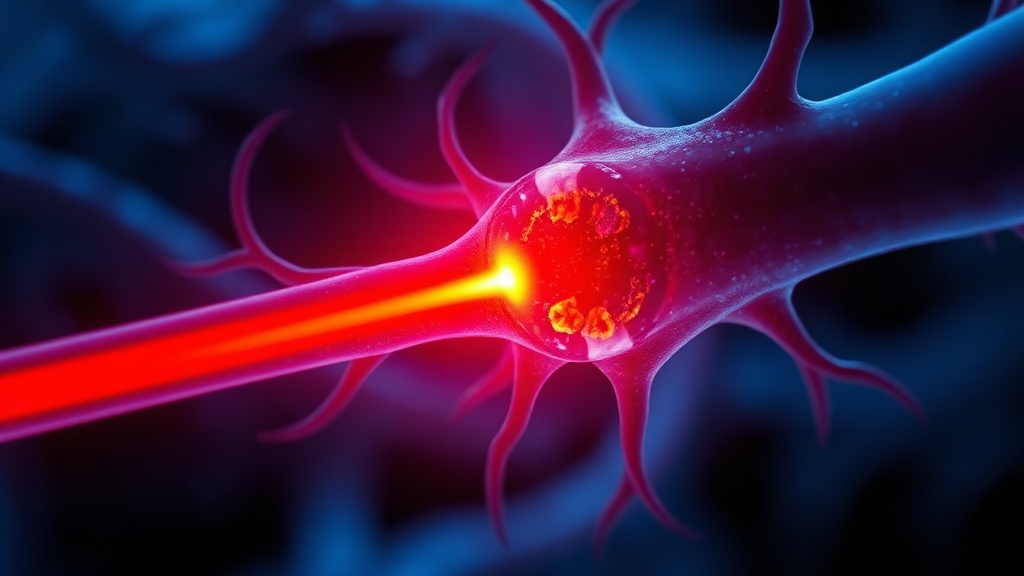
Cytochrome C Oxidase and Nitric Oxide: Mitochondrial Key to Longevity

SNIPPET: Cytochrome c oxidase (Complex IV) is the terminal enzyme of mitochondrial respiration, and its interaction with nitric oxide determines cellular energy output, immune function, and oxidative stress balance. New research confirms that photobiomodulation at 840 nm may restore Complex IV activity in stress-damaged brains, while COX7RP overexpression extends lifespan in mice by 6.6%. These findings reshape how we target mitochondrial efficiency.
THE PROTOHUMAN PERSPECTIVE#
Every cell in your body runs on a molecular engine that most people never think about. Cytochrome c oxidase — Complex IV of the electron transport chain — is the final gatekeeper of mitochondrial respiration. It decides how much ATP you produce, how much oxidative stress leaks out, and whether your immune cells can mount a response or collapse into apoptosis.
What's shifted in the past twelve months is the sheer convergence of evidence. We now have data showing COX-dependent respiration is non-negotiable for T cell memory formation. We have a mouse model where boosting a single COX assembly protein extends median lifespan by 5.6%. And we have a photobiomodulation study — in an animal model of depression, granted — demonstrating that near-infrared light restores Complex IV activity to baseline levels in the prefrontal cortex.
This isn't one finding. It's a pattern. The mitochondrial respiratory chain, and Complex IV specifically, is emerging as the central node where aging, immunity, neuropsychiatry, and metabolic health converge. If you're optimizing for performance and longevity, this is the mechanism to watch.
THE SCIENCE#
What Cytochrome C Oxidase Actually Does — And Why Nitric Oxide Complicates Everything#
Cytochrome c oxidase is the enzyme that accepts electrons at the end of the mitochondrial electron transport chain, reduces molecular oxygen to water, and pumps protons across the inner mitochondrial membrane to drive ATP synthase. Without it, oxidative phosphorylation stops. Full stop.
But here's where it gets complicated. Nitric oxide (NO) binds competitively to the same oxygen-binding site on COX. At physiological concentrations, NO reversibly inhibits Complex IV activity, acting as a brake on mitochondrial respiration[5]. This isn't pathological — it's regulatory. NO modulates oxygen consumption rates, redistributes oxygen to hypoxic tissues, and triggers signaling cascades that influence everything from vasodilation to gene expression.
Giordano et al. (2026) expanded this picture by demonstrating that NO also potently and reversibly inhibits mitochondrial persulfide dioxygenase (ETHE1), a key enzyme in hydrogen sulfide catabolism that feeds into the electron transport chain[5]. The implication: NO doesn't just slow down Complex IV — it hits an upstream sulfide metabolism node as well. This dual inhibition creates a more nuanced regulatory landscape than the simple "NO competes with oxygen at COX" story most of us learned.
I'm less convinced this finding translates directly to human biohacking protocols yet. The study used authentic NO and high-resolution respirometry under controlled conditions. What happens at the messy concentrations found in living tissue during exercise or inflammation remains an open question.
Photobiomodulation: Light Hits the Enzyme Directly#
The mechanistic basis of photobiomodulation has always centered on cytochrome c oxidase as the primary chromophore. Red and near-infrared light is absorbed by the copper centers in COX, photodissociating NO from its binding site and restoring electron flow[2]. Wavelength matters. Irradiance matters. Time matters. Skin matters. Most consumer devices get at least one of these wrong.
Bortoluzzi et al. (2026) published the most specific data I've seen in a while on this mechanism in a depression model. Using a chronic mild stress paradigm in Wistar rats, they tested transcranial PBM at two wavelengths: red (600 nm) and infrared (840 nm). Both wavelengths reversed anhedonic behavior — sucrose consumption increased significantly compared to sham (p < 0.001). But the biological effects diverged sharply[2].
The red group (600 nm) reduced peripheral lipid peroxidation (TBARS levels significantly lower than sham, p = 0.0048), bringing oxidative damage markers back to non-stressed control levels. The infrared group (840 nm) did something different: it increased hippocampal nitric oxide levels compared to sham (p = 0.0134) and elevated prefrontal cortex Complex IV activity above the red group (p = 0.012), restoring it to a level similar to non-stressed controls[2].
That last finding deserves emphasis. Infrared tPBM at 840 nm restored mitochondrial Complex IV activity in the prefrontal cortex of chronically stressed animals to baseline. The red wavelength did not achieve this to the same degree. Different wavelengths, different tissue penetration, different downstream effects. This is not a case where "any red light" works the same.

COX-Dependent Respiration: The Immune System Can't Function Without It#
The Nature Communications paper from McGuire's group at NIH is, in my view, the strongest piece of evidence in this collection[4]. They asked a deceptively simple question: can T cells function if you remove cytochrome c oxidase but keep the rest of mitochondrial respiration intact?
They engineered T cells from COX-deficient mice (TCox10−/−) and then expressed an alternative oxidase (AOX) — a non-proton-pumping enzyme that can accept electrons and reduce oxygen, bypassing COX entirely. AOX restored electron flow, membrane potential, and mitochondrial ATP production. It rescued T cell proliferation, effector differentiation, memory formation, and antiviral immunity[4].
The critical insight: it's the respiratory activity — the electron flow through Complex IV — that matters for T cell fate, not the proton pumping per se. Complex I provided the dominant upstream electron input; Complex II and DHODH contributed more modestly. Even with restored mitochondrial respiration, glycolysis remained elevated, suggesting that redox signaling (not just energy supply) is altered when COX is absent[4].
For anyone thinking about immune resilience, this reframes the conversation. Mitochondrial function isn't a background variable for immunity. It's a gating mechanism.
COX7RP and Lifespan: The Assembly Factor That Extended Mouse Life#
Ikeda et al. (2025) took a genetic approach and overexpressed COX7RP — a supercomplex assembly factor that organizes respiratory chain complexes into efficient supercomplexes — in mice[6]. The results were clean.
Male mice with elevated COX7RP lived 6.6% longer on average (median lifespan up 5.6%). At 10 months, these mice had significantly less visceral and subcutaneous fat. In aged adipose tissue, COX7RP reduced inflammatory senescence markers, preserved NAD⁺ levels, increased ATP output, and lowered oxidative stress[6].
The honest answer is: this is a genetic overexpression study in mice. You cannot take a COX7RP supplement. It doesn't exist. But the data points clearly to mitochondrial supercomplex assembly as a druggable target for aging — and it validates the broader thesis that optimizing Complex IV function has systemic anti-aging effects.
COX7RP Overexpression: Lifespan Extension in Male Mice
COX5A and Vascular Protection#
Guan et al. (2023) demonstrated that COX5A — a nuclear-encoded subunit of cytochrome c oxidase — protects vascular smooth muscle cells against phenotypic switching and neointima formation by preserving mitochondrial respiratory function and attenuating oxidative stress[1]. This is a vascular biology study, not a longevity study per se, but it reinforces the pattern: when Complex IV components are maintained or upregulated, mitochondrial integrity holds and downstream pathology is reduced.
COMPARISON TABLE#
| Method | Mechanism | Evidence Level | Cost | Accessibility |
|---|---|---|---|---|
| tPBM Infrared (840 nm) | Photodissociates NO from COX, restores Complex IV activity | Animal model (CMS rats), single study | $200–$2,000 (device) | Consumer devices available, clinical parameters unclear |
| tPBM Red (600 nm) | Absorbs at COX copper centers, reduces lipid peroxidation | Animal model (CMS rats), single study | $100–$1,500 (device) | Widely available, lower tissue penetration |
| COX7RP overexpression | Enhances supercomplex assembly, increases ATP/NAD⁺ | Mouse genetic model, single study | N/A (not yet translatable) | Research only |
| NMN/NR supplementation | Boosts NAD⁺ to support ETC function | Multiple human and animal trials | $30–$100/month | Commercially available |
| Metformin | Complex I modulation, AMPK activation | Extensive human data, multiple RCTs | $5–$15/month | Prescription (off-label for aging) |
| Cyrene (dihydrolevoglucosenone) | Geroprotective, cross-species lifespan extension, oxidative stress resistance | C. elegans and Drosophila models | N/A (not available for human use) | Research only |
THE PROTOCOL#
Based on current evidence — and I want to be clear that the photobiomodulation data is preclinical — here is a structured approach for those looking to optimize Complex IV function and the COX–NO axis.
Step 1: Establish baseline mitochondrial status. Request a metabolic panel that includes lactate-to-pyruvate ratio and, if available, organic acid testing. Elevated lactate relative to pyruvate can indicate impaired mitochondrial respiration. This isn't diagnostic alone, but it sets context.
Step 2: Support NAD⁺ synthesis upstream. Complex IV function depends on electron flow from Complexes I through III, which requires adequate NAD⁺. NMN (250–500 mg/day, taken in the morning) or NR (300–600 mg/day) are the most studied precursors. The Ikeda et al. data showed that COX7RP overexpression preserved NAD⁺ levels in aged tissue — you can approximate some of this effect by ensuring the cofactor pool isn't depleted[6].
Step 3: If trialing transcranial PBM, prioritize infrared wavelengths (810–850 nm) for mitochondrial targets. The Bortoluzzi et al. data showed 840 nm outperformed 600 nm for restoring prefrontal Complex IV activity[2]. Target irradiance of 25–50 mW/cm² at the scalp surface. Duration: 10–20 minutes per session. Frequency: 3–5 sessions per week. Do not exceed these parameters — more is not better with PBM, and biphasic dose-response curves are real.
Step 4: Manage nitric oxide intelligently. NO is not the enemy — it's a regulator. Excessive NO suppresses Complex IV; insufficient NO impairs vasodilation and signaling. Dietary nitrate from beetroot or leafy greens (approximately 400–500 mg nitrate/day) supports physiological NO production without overwhelming the COX binding site. Avoid combining high-dose NO precursors (e.g., L-arginine >6g) with PBM sessions, as the photodissociation of NO from COX is part of the therapeutic mechanism.
Step 5: Incorporate regular aerobic exercise as the most proven Complex IV upregulator. Endurance exercise increases mitochondrial biogenesis through PGC-1α signaling, directly expanding the pool of functional cytochrome c oxidase. Aim for 150–200 minutes per week of zone 2 cardio. This is the intervention with the deepest evidence base — deeper than any supplement or device.
Step 6: Consider time-restricted eating (14–16 hour overnight fast) to promote autophagy pathways. Clearing damaged mitochondria through mitophagy allows replacement with functional organelles containing intact Complex IV. This complements the biogenesis signals from exercise.
Related Video
What is cytochrome c oxidase and why does it matter for health?#
Cytochrome c oxidase (COX, Complex IV) is the terminal enzyme in the mitochondrial electron transport chain. It catalyzes the final electron transfer to oxygen, producing water and driving ATP synthesis. When COX function declines — through aging, chronic stress, or genetic defects — energy production drops and oxidative damage accumulates, contributing to neurodegeneration, immune dysfunction, and metabolic disease.
How does nitric oxide affect mitochondrial function?#
Nitric oxide binds reversibly to the oxygen-binding site on cytochrome c oxidase, temporarily inhibiting Complex IV activity. This is a normal regulatory mechanism that modulates oxygen consumption and cellular signaling. However, excessive or sustained NO exposure can impair mitochondrial respiration. Recent work by Giordano et al. (2026) shows NO also inhibits persulfide dioxygenase, adding another layer of mitochondrial regulation beyond the COX interaction[5].
Who should consider transcranial photobiomodulation?#
At this stage, the strongest evidence for tPBM comes from preclinical models of depression and neurodegeneration. Individuals experiencing treatment-resistant mood disorders or cognitive decline may be candidates, but I'd want to see replicated human RCTs before making strong recommendations. The Bortoluzzi et al. study is promising but remains an animal model. If you choose to trial tPBM, work with a clinician familiar with dosimetry — wavelength and irradiance parameters matter enormously[2].
Why did the 840 nm wavelength outperform 600 nm for Complex IV activity?#
Near-infrared light at 840 nm penetrates biological tissue more deeply than red light at 600 nm, reaching cortical structures that superficial wavelengths cannot. Additionally, the absorption spectrum of cytochrome c oxidase includes peaks in the near-infrared range. The combination of deeper penetration and direct COX absorption likely explains the superior Complex IV restoration seen in the infrared group[2].
How does COX7RP extend lifespan in mice?#
COX7RP is a supercomplex assembly factor — it helps organize individual respiratory chain complexes into efficient supercomplexes within the inner mitochondrial membrane. Ikeda et al. (2025) showed that overexpressing COX7RP increased ATP production, preserved NAD⁺ levels, reduced oxidative stress, and suppressed inflammatory senescence markers in adipose tissue. Male mice lived 6.6% longer on average[6]. No human translation exists yet.
VERDICT#
Score: 7.5/10
The convergence is real. Multiple independent research groups, using completely different models and methodologies, are arriving at the same conclusion: cytochrome c oxidase function is a central determinant of aging, immunity, neuropsychiatric health, and metabolic resilience. The Bortoluzzi tPBM data is the most immediately actionable for the biohacking community, but it's a single animal study — I'd want human replication before upgrading my confidence. The Nature Communications work on T cell metabolism is the most mechanistically rigorous paper in this set. The COX7RP lifespan extension is clean but untranslatable to humans today.
What lowers the score: no human RCT data on PBM for Complex IV restoration specifically, the Cyrene compound is years from any human application, and the NO–persulfide dioxygenase finding is too early-stage to build protocols around. What raises it: the mechanistic coherence across studies is unusually strong, and the PBM parameters from Bortoluzzi are specific enough to actually test.
References
- 1.Guan H, Sun J, Liang X, Yao W. Protective Role of Cytochrome C Oxidase 5A (COX5A) against Mitochondrial Disorder and Oxidative Stress in VSMC Phenotypic Modulation and Neointima Formation. Current Vascular Pharmacology (2023). ↩
- 2.Bortoluzzi L, Colombo R, da Motta Pinto KB. Transcranial Photobiomodulation Modulates Oxidative Stress Biomarkers and Complex IV Activity in Anhedonic-Like Behavior. Neurochemical Research (2026). ↩
- 3.AlOkda A, Van Raamsdonk JM. Cyrene: a novel geroprotective compound that extends lifespan and healthspan in C. elegans and Drosophila. npj Aging (2025). ↩
- 4.McGuire P, Tarasenko TN. Cytochrome c oxidase dependent respiration is essential for T cell activation, proliferation and memory formation. Nature Communications (2025). ↩
- 5.Giordano F. Human mitochondrial persulfide dioxygenase is potently and reversibly inhibited by nitric oxide. Biochimie (2026). ↩
- 6.Ikeda K, Shiba S, Yokoyama M, Fujimoto M, Horie K, Tanaka T, Inoue S. Mitochondrial Respiratory Supercomplex Assembly Factor COX7RP Contributes to Lifespan Extension in Mice. Aging Cell (2025). ↩
Sova Reld
Sova writes with focused intensity and low tolerance for vague claims. She came to photobiomodulation through personal experimentation and is irritated by both true believers and reflexive skeptics. Her writing has edge: 'The wellness market has done more damage to this field than the skeptics ever could.' She's extremely precise about parameters — wavelength, irradiance, duration — and will tell you when a study used inadequate dosing without apology.
View all articles →