Blood-Brain Barrier and Stress Resilience: New Pharmacological Targets

THE PROTOHUMAN PERSPECTIVE#
For decades, we talked about stress resilience as though it lived entirely in the mind — a matter of willpower, cognitive reframing, coping mechanisms. The research emerging now tells a fundamentally different story. Stress resilience may be, at its core, a vascular problem. The blood-brain barrier, that selectively permeable frontier between your circulatory system and your central nervous system, appears to degrade under chronic stress — letting inflammatory mediators flood mood-regulating brain regions and triggering depressive cascades. What makes this moment significant for human optimization is the convergence: multiple independent research groups, across preclinical and now early human studies, are identifying specific molecular levers that control BBB integrity under duress. We're not just describing the problem anymore. We're approaching the point where pharmacological and lifestyle interventions could be designed to harden the barrier before stress breaks through. That's a paradigm shift — from treating depression after the fact to engineering neurovascular resilience proactively.
THE SCIENCE#
The Blood-Brain Barrier as a Stress Resilience Organ#
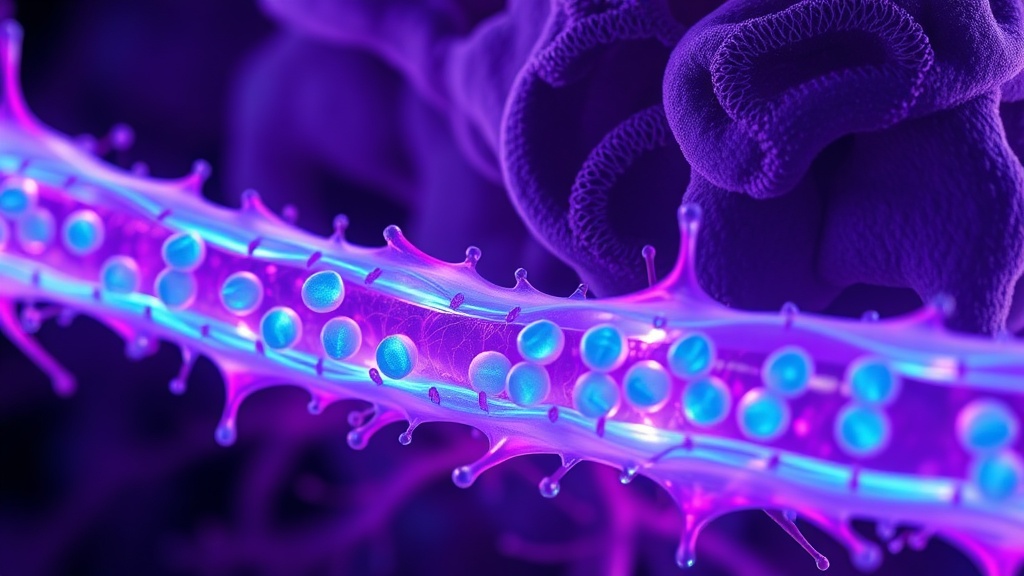
The blood-brain barrier is a selectively permeable interface formed primarily by brain microvascular endothelial cells (BMECs), connected by tight junction proteins — most critically Claudin-5 (Cldn5) — that regulate molecular exchange between peripheral circulation and brain tissue. Its integrity determines whether inflammatory cytokines like TNF-α and interleukin-6 (IL-6) gain access to neural circuits governing mood, cognition, and reward processing. BBB dysfunction is now recognized as a hallmark of multiple brain diseases, including Alzheimer's disease, stroke, and major depressive disorder (MDD)[4].
The key insight from recent work is directional: BBB breakdown doesn't just correlate with depression — it may cause it.
Dudek et al. first demonstrated in 2020 that chronic social stress in mice induces molecular adaptations at the BBB that distinguish resilient from susceptible animals. Since then, the field has accelerated. A January 2026 study in Nature Communications by Dion-Albert, Bhatt, and colleagues showed that environmental enrichment and voluntary physical exercise prevent stress-induced social avoidance in male mice by preserving Claudin-5 expression through upregulation of fibroblast growth factor 2 (Fgf2)[2]. The mechanism is glial: Fgf2 is predominantly expressed by astrocytes, and viral-mediated astrocyte-specific Fgf2 upregulation was sufficient to prevent stress-induced social avoidance, while downregulation increased susceptibility and blunted the protective effects of exercise.
This is the kind of finding that reframes the conversation. Exercise doesn't just "reduce stress" in some vague neurochemical sense. It appears to actively reinforce the physical barrier between your blood and your brain.
Claudin-5: The Gatekeeper Under Siege#
Claudin-5 keeps coming up, and for good reason. It's the dominant tight junction protein at the BBB, and its loss is the molecular signature of stress-induced barrier breakdown.
Sun et al. (2025) in Fluids and Barriers of the CNS identified a specific epigenetic mechanism linking chronic stress to Claudin-5 loss[3]. Using a chronic unpredictable mild stress (CUMS) mouse model, they demonstrated that the flavonoid rutin (quercetin-3-O-rutinoside) attenuated BBB hyperpermeability and cognitive impairment by inhibiting HDAC1 recruitment to the Claudin-5 promoter. In plain terms: chronic stress epigenetically silences the gene that keeps your BBB sealed, and rutin reverses that silencing.
Rutin promoted BMEC proliferation, migration, and angiogenesis while restoring monolayer integrity in human brain endothelial cell lines (hCMEC/D3). It also blocked the ability of circulating TNF-α to cross the BBB in their model. I think the word "neuroprotective" gets thrown around too casually, but what rutin appears to do here — physically preventing inflammatory molecules from reaching the brain — is about as literal as neuroprotection gets.
The catch, though: this is entirely preclinical. Mouse models and cell lines. No human dosing data for BBB-specific outcomes exists for rutin yet.
The Endocannabinoid Angle: Astrocytic CB1#
Here's where it gets complicated — and, I'll admit, more interesting to me personally.
A February 2025 study in Nature Neuroscience revealed that cannabinoid receptor 1 (CB1) expression in astrocytes of the nucleus accumbens (NAc) shell is directly associated with stress resilience in male mice[5]. Resilient animals showed higher astrocytic CB1 expression, particularly in the perivascular end-feet that ensheath blood vessels. Viral overexpression of Cnr1 in NAc astrocytes produced baseline anxiolytic effects and dampened stress-induced anxiety- and depression-like behaviors.
What does this actually feel like, though? The NAc shell is a reward-processing hub. The implication is that perivascular astrocytic CB1 may modulate how the brain's reward circuitry interacts with peripheral inflammatory signals. When CB1 is high, the BBB holds. When it's low — as observed in postmortem NAc tissue from male donors with MDD — the barrier is compromised.
Physical exercise and antidepressant treatment both increased astrocytic Cnr1 expression in the perivascular region. This convergence between pharmacological and lifestyle interventions at the same molecular target is striking. But I'm less convinced by the translational leap here — all behavioral data is from male mice, and the human tissue analysis was observational postmortem work. The sex-specificity is a real limitation the authors themselves flag.
The PHASR-PP Trial: First Human Translation#
The most significant development may be the PHASR-PP project, a multi-centre human study protocol published in March 2026 in BMC Psychology[1]. Maas, Hachenberg, Mituniewicz, and colleagues designed a prospective study to establish whether BBB integrity — measured via neuroimaging — predicts stress resilience in individuals exposed to stressors and at risk for stress-related mental health problems.
Half the participants receive metformin, an indirect mTOR pathway inhibitor, in a randomized placebo-controlled double-blind design. The rationale: preclinical evidence suggests mTOR pathway activity regulates BBB function, and metformin may improve barrier integrity. If the mediation analysis shows that metformin improves BBB integrity and that this improvement mediates better stress resilience, it would suggest a causal role for BBB integrity in human stress resilience — a first.
Registered as NCT06965868, with a study start date of January 2, 2026, this trial represents the critical bridge between a decade of animal data and actionable human evidence. No datasets have been generated yet — this is a protocol paper. The honest answer is we'll need to wait for results. But the design is solid, and the question it's asking is exactly right.
Key BBB-Protective Molecular Targets Identified Across Studies
COMPARISON TABLE#
| Method | Mechanism | Evidence Level | Estimated Cost | Accessibility |
|---|---|---|---|---|
| Metformin (mTOR inhibition) | Indirect mTOR pathway inhibition → BBB integrity maintenance | Human trial protocol (PHASR-PP); preclinical support | Low (~$4–15/month generic) | Prescription required; widely available |
| Rutin supplementation | HDAC1 inhibition → Claudin-5 upregulation → BBB sealing | Preclinical only (mouse + cell line) | Very low (~$10–20/month OTC) | Over-the-counter; widely available |
| Physical exercise | Fgf2 upregulation → Claudin-5 preservation; CB1 increase | Preclinical causal; strong human epidemiological | Free | Universally accessible |
| Environmental enrichment | Fgf2-mediated Claudin-5 maintenance | Preclinical (mouse) | Variable | Lifestyle modification |
| SSRIs / Antidepressants | Increases astrocytic CB1 expression; indirect BBB effects | Established for depression; BBB mechanism emerging | Moderate ($15–100/month) | Prescription required |
| Nootropic stacks (e.g., L-theanine, Lion's Mane, Rhodiola) | Anti-neuroinflammatory; oxidative stress reduction | Preclinical (rat CUMS model); limited human data | Moderate ($30–60/month) | Over-the-counter |
THE PROTOCOL#
Based on current evidence — acknowledging that most mechanistic data remains preclinical — here is a tiered approach to supporting BBB integrity against chronic stress. This is not medical advice. If you choose to trial these interventions, do so with appropriate clinical oversight.
Step 1: Establish a consistent aerobic exercise routine. The Fgf2 and CB1 data both converge on exercise as the most evidence-supported intervention for BBB protection[2][5]. Aim for 150–200 minutes per week of moderate-intensity aerobic activity (heart rate 60–75% of maximum). Running, cycling, and swimming all qualify. The mouse data used voluntary wheel running, which translates roughly to self-selected moderate cardio.
Step 2: Optimize dietary flavonoid intake. Rutin is found in buckwheat, asparagus, citrus fruits, and green tea. While human BBB-specific dosing isn't established, the preclinical dose in Sun et al. (2025) was administered orally[3]. Supplemental rutin is available at 500mg doses; early data suggests starting with 250–500mg daily, taken with food for absorption. Optimal dosing in humans for BBB outcomes is not yet established — I'd want to see this replicated in human trials before committing to a specific protocol.
Step 3: Discuss metformin with your physician if appropriate. For individuals already at risk for metabolic syndrome or type 2 diabetes, metformin may offer dual benefits — metabolic and neurovascular. The PHASR-PP trial is using standard metformin dosing in a stress-resilience context[1]. This is strictly an off-label consideration and should only be pursued under medical supervision. Do not self-prescribe.
Step 4: Support endocannabinoid tone through lifestyle. The astrocytic CB1 data suggests that endocannabinoid system health matters for BBB resilience[5]. Omega-3 fatty acids (EPA/DHA, 2–3g daily) serve as precursors for endocannabinoid synthesis. Cold exposure, meditation, and — notably — exercise all modulate endocannabinoid tone. This isn't about exogenous cannabinoids; it's about creating the physiological conditions for your own system to function.
Step 5: Prioritize environmental complexity and social engagement. Environmental enrichment in the mouse studies included novel objects, social interaction, and varied stimulation[2]. The human analog: avoid monotony. Seek novel experiences, maintain diverse social connections, and vary your cognitive demands. This sounds basic, but the mechanistic data now supports it at the level of vascular biology.
Step 6: Monitor stress biomarkers where possible. HRV (heart rate variability) tracking offers a non-invasive proxy for autonomic stress load. While not a direct BBB measure, sustained low HRV correlates with chronic stress states that the literature associates with BBB compromise. Use wearable HRV monitoring to identify periods of accumulated stress and adjust recovery accordingly.
Related Video
What is the blood-brain barrier's role in depression?#
The BBB regulates which molecules pass from your bloodstream into your brain. Under chronic stress, tight junction proteins — especially Claudin-5 — degrade, allowing inflammatory cytokines like TNF-α and IL-6 to enter mood-regulating brain regions. This inflammatory infiltration may directly drive depressive behaviors, as demonstrated in multiple preclinical models[2][3]. It's a physical, not just psychological, vulnerability.
How does exercise protect the blood-brain barrier?#
Physical exercise upregulates fibroblast growth factor 2 (Fgf2) in astrocytes, which in turn preserves Claudin-5 expression at tight junctions[2]. Exercise also increases astrocytic CB1 receptor expression in the perivascular region[5], further supporting BBB integrity. Both mechanisms have been demonstrated in mouse models of chronic social stress.
Why is metformin being studied for stress resilience?#
Metformin indirectly inhibits the mTOR signaling pathway, which preclinical evidence suggests regulates BBB function. The PHASR-PP trial (NCT06965868) is the first human study designed to test whether metformin-mediated BBB improvement translates to better stress resilience[1]. Results are pending — the study began in January 2026.
Who should consider rutin supplementation for brain health?#
Rutin is a widely available flavonoid with preclinical evidence for BBB protection via the HDAC1-Claudin-5 epigenetic axis[3]. However, no human clinical trials have tested rutin specifically for BBB outcomes. Individuals interested in flavonoid-based neuroprotection may consider dietary sources (buckwheat, citrus, asparagus) or supplements, but should understand the evidence is preliminary.
What role does the endocannabinoid system play in stress resilience?#
Astrocytic CB1 receptors in the nucleus accumbens modulate BBB integrity under stress conditions. High CB1 expression in perivascular astrocyte end-feet is associated with resilience, while loss of CNR1 is observed in postmortem brain tissue from individuals with MDD[5]. This suggests the endocannabinoid system acts as a gatekeeper at the neurovascular interface, though most evidence comes from male mouse models.
VERDICT#
Score: 7.5/10
The convergence of evidence here is genuinely compelling. Multiple independent groups — using different models, different molecules, different interventions — keep arriving at the same conclusion: the BBB is a critical node in stress resilience, and Claudin-5 is the molecular lynchpin. The Fgf2 pathway, the endocannabinoid system, epigenetic regulation via HDAC1, and mTOR signaling all feed into BBB integrity, and all are pharmacologically targetable.
But let me push back on the enthusiasm slightly. Almost everything we know is from male mice. The sex-specificity data is thin and occasionally contradictory. The PHASR-PP human trial is beautifully designed but has generated zero data so far. Rutin is promising but hasn't touched a human BBB endpoint. And the supplement study — honestly, the industry funding and rat-only design (n=8 per group) leave me wanting considerably more.
What earns this a 7.5 rather than a 6 is the trajectory. The field has moved from descriptive correlation to mechanistic understanding to a registered human trial in roughly five years. That's fast for neuroscience. If PHASR-PP delivers, this could reshape how we think about — and pharmacologically approach — stress-related mental illness. For now, exercise remains the strongest actionable intervention, with the added satisfaction of knowing why it works at the vascular level.
References
- 1.Maas FM, Hachenberg S, Mituniewicz J. Study protocol: role of the blood-brain barrier in stress resilience: investigating new pathways towards Pharmacological augmentation of stress resilience (a PHASR-PP project study). BMC Psychology (2026). ↩
- 2.Dion-Albert L, Bhatt V. Environmental enrichment and physical exercise prevent stress-induced social avoidance and blood-brain barrier alterations via Fgf2. Nature Communications (2026). ↩
- 3.Sun Z, Sun Z, Zhao Y. Rutin ameliorates stress-induced blood-brain barrier dysfunction and cognitive decline via the endothelial HDAC1-Claudin-5 axis. Fluids and Barriers of the CNS (2025). ↩
- 4.Banks WA. Strategies for blood-brain barrier rejuvenation and repair. Nature Reviews Drug Discovery (2026). ↩
- 5.Bhatt V. Astrocytic cannabinoid receptor 1 promotes resilience by dampening stress-induced blood-brain barrier alterations. Nature Neuroscience (2025). ↩
Fen Adler
Fen writes with psychological nuance and a slightly meandering quality that feels human. He'll start pursuing one idea, realize it connects to something else, and follow it briefly before returning: 'This reminds me of something from the attentional blink literature — different context, but the pattern holds.' He's interested in the experience, not just the mechanism, which means he'll occasionally ask: 'What does this actually feel like?' when discussing neurological effects.
View all articles →